
Beautiful Plants For Your Interior
Beautiful Plants For Your Interior
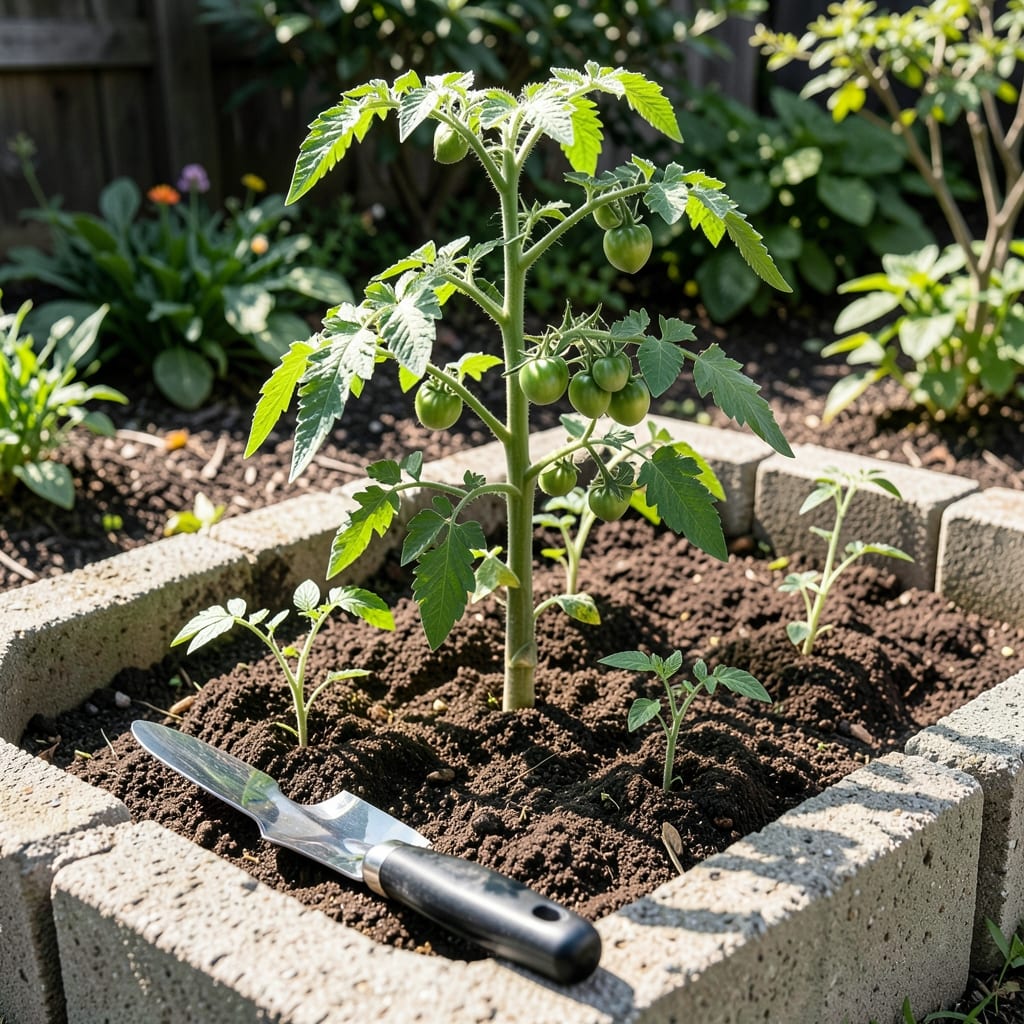
Cinder blocks may contain fly ash with heavy metals like arsenic and chromium, which can leach into soil and be absorbed by edible plants, posing health risks over time.
I’ve tested various garden materials, and the leaching process is the real concern with these blocks. Over time, rain and soil acidity can break down the fly ash components, releasing toxins that accumulate in your edible crops. For long-term food safety, I always recommend opting for untreated wood or natural stone instead. 🔥
💡 In This Article
Cinder blocks often contain fly ash, a byproduct of coal combustion that can hold traces of arsenic, chromium, and lead. These heavy metals don’t break down naturally and can persist in soil for years. When exposed to moisture, the alkaline pH of concrete begins to dissolve, releasing these toxins into the surrounding earth.
Rainwater and organic acids from decomposing plant matter accelerate this leaching process. Studies show that after 2-3 years, soil near cinder blocks can accumulate measurable levels of these contaminants. Root vegetables like carrots and potatoes are particularly vulnerable, as they directly absorb compounds from the soil. 🔥
The risk isn’t immediate but builds over time. A garden bed lined with cinder blocks might seem safe initially, but repeated watering and seasonal changes create a slow, steady release of chemicals. This is especially concerning for leafy greens, which can absorb and concentrate these metals in their edible parts.
Temperature fluctuations also play a role. In warmer climates, the expansion and contraction of concrete can create micro-cracks, increasing the surface area exposed to soil. This means gardens in regions with freeze-thaw cycles may experience faster leaching than those in stable, mild environments. ⚡
Testing soil near cinder block gardens often reveals elevated metal levels. For example, one study found soil arsenic concentrations 5-10 times higher than background levels after 5 years of contact with fly ash-containing blocks. This highlights why long-term food gardens need special consideration when choosing building materials.
Fly ash in cinder blocks can release arsenic, chromium, and lead over time. These heavy metals don’t break down and can accumulate in soil, especially after 2-3 years of exposure.
Root vegetables like carrots and potatoes absorb soil contaminants directly. Leafy greens can also concentrate these metals in their edible parts, making them higher risk for long-term exposure.
Use a home soil test kit to check for elevated metal levels. For more accuracy, send samples to a local agricultural extension office. Testing is especially important after 5 years of use.
Yes, cinder blocks are generally safe for ornamental plants or flowers. The risk comes with edible crops that may absorb contaminants. Just avoid using them for herbs or vegetables.