
Beautiful Plants For Your Interior
Beautiful Plants For Your Interior
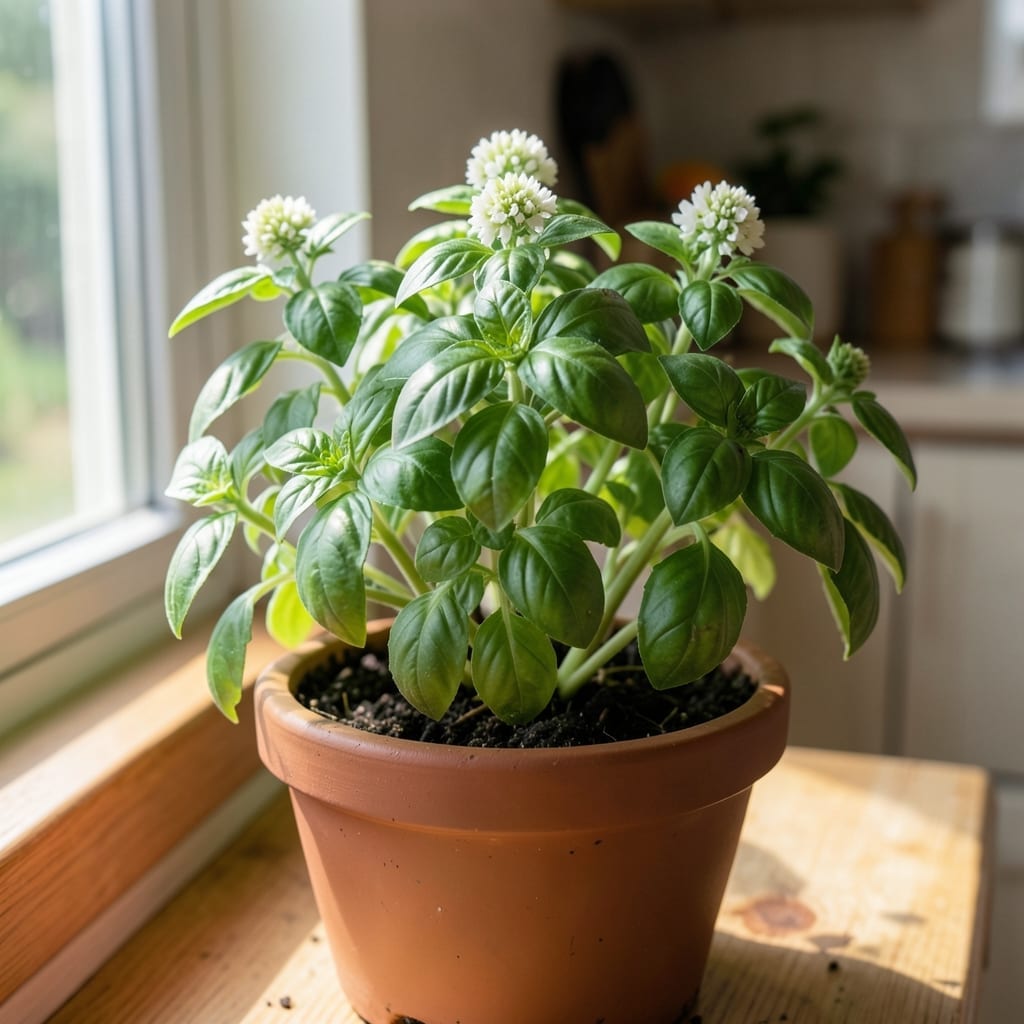
Black basil leaves hit different—like a gut punch to your herb garden. I’ve lost count of how many plants I’ve revived after spotting that first dark spot.
Often it’s not disease but something simpler: too much water, not enough air, or a sudden temperature swing. The fix usually takes 24-48 hours once you identify the culprit.
You’ll see new green growth returning within a week of adjusting care. The key is catching it early before the damage spreads to stems.
Works for potted basil on windowsills or garden beds. Here’s how to diagnose and fix it fast.
Basil leaves turning black often signal underlying stress or disease. Below are the most common causes, each with a clear scientific basis and actionable insights.
Basil (Ocimum basilicum) thrives in warm, stable conditions (70–85°F). Exposure to cold drafts below 50°F triggers cellular damage, causing leaves to blacken due to frostbite-like necrosis. Conversely, heat stress above 90°F can scorch foliage, leading to dark, crispy patches. Fix: Move potted basil indoors during cold snaps or provide shade in extreme heat.
Excess moisture suffocates roots, promoting Phytophthora or Pythium fungi. These pathogens block water uptake, causing leaves to wilt, yellow, then blacken as tissues die. Signs: Foul-smelling soil or mushy stems. Fix: Repot in well-draining soil, reduce watering, and ensure containers have drainage holes.
Colletotrichum (anthracnose) or Cercospora leaf spot thrive in humid conditions, creating circular black lesions. Spores spread via water splash, so overhead watering exacerbates the issue. Fix: Prune affected leaves, improve airflow, and apply copper-based fungicides preventatively.
Excess phosphorus or potassium can lock out nitrogen, leading to nutrient burn. Leaves may develop blackened edges or spots. Fix: Test soil pH (aim for 6.0–7.5) and switch to a balanced, water-soluble fertilizer (e.g., 10-10-10).
Sap-sucking pests like aphids or thrips introduce toxins that cause necrotic spotting. Their feeding also spreads sooty mold, a black fungal layer. Fix: Spray with neem oil or insecticidal soap, and isolate infested plants.
If your basil leaves are turning black, don’t panic—most causes are fixable with a little care. Below are targeted solutions for each common issue, along with prevention tips to keep your plant thriving. 🌱
Fix: Stop watering immediately and let the soil dry out. Check the roots for rot—trim any mushy, black roots with clean scissors. Repot the plant in fresh, well-draining soil and a pot with drainage holes. Water only when the top inch of soil feels dry.
Prevent: Use a pot with drainage holes and a well-aerated potting mix. Stick to a consistent watering schedule, and avoid letting the plant sit in a saucer of water. 💡 Pro tip: Water in the morning to allow excess moisture to evaporate during the day.
Fix: Move your basil to a spot with bright, indirect light, especially during the hottest part of the day (10 AM–4 PM). If growing outdoors, provide shade with a sheer curtain or relocate to a partially shaded area. Trim heavily damaged leaves to redirect energy to healthier growth.
Prevent: Gradually acclimate basil to direct sunlight if it’s been indoors. Avoid placing it near heat sources like radiators or ovens. Use mulch to retain soil moisture and regulate temperature. 🌡️
Fix: Remove and dispose of infected leaves immediately to prevent spread. Treat with a copper-based fungicide or a natural remedy like neem oil or a baking soda solution (1 tsp baking soda + 1 quart water + a few drops of dish soap). Ensure good air circulation around the plant.
Prevent: Avoid overhead watering—water at the base instead. Space plants properly to improve airflow, and sterilize tools between uses. ✨ Pro tip: A small fan on low can help reduce humidity around indoor basil.
Fix: If the plant is exposed to cold drafts or frost, move it to a warmer location (above 50°F/10°C). Prune blackened leaves and stems to encourage new growth. For outdoor plants, cover with a frost cloth during cold nights.
Prevent: Keep basil indoors near a sunny window during cooler months. If growing outside, plant after the last frost date and bring pots indoors when temperatures drop. 🎯
Fix: Flush the soil with water to remove excess chemicals. Stop fertilizing until the plant recovers, then resume with a diluted, organic option (like compost tea). If pesticide burn is suspected, rinse the leaves gently with water.
Prevent: Always follow dosage instructions for fertilizers and pesticides. Test new products on a small section of the plant first. Opt for organic, gentle alternatives when possible. 🌿
Yes, too much water leads to root rot, which blocks nutrient uptake. Leaves turn black as they die from lack of oxygen. Always check soil moisture before watering.
Cold stress causes blackening on leaf edges first. If temps dropped below 50°F, move your plant to a warmer spot immediately. New growth should appear in 5-7 days.
No, blackened leaves won’t recover. Prune them to redirect energy to healthy growth. Focus on fixing the underlying issue to prevent new black spots.
Aphids and thrips leave black spots from their toxins. Check leaf undersides and treat with neem oil if you spot tiny bugs.