
Beautiful Plants For Your Interior
Beautiful Plants For Your Interior
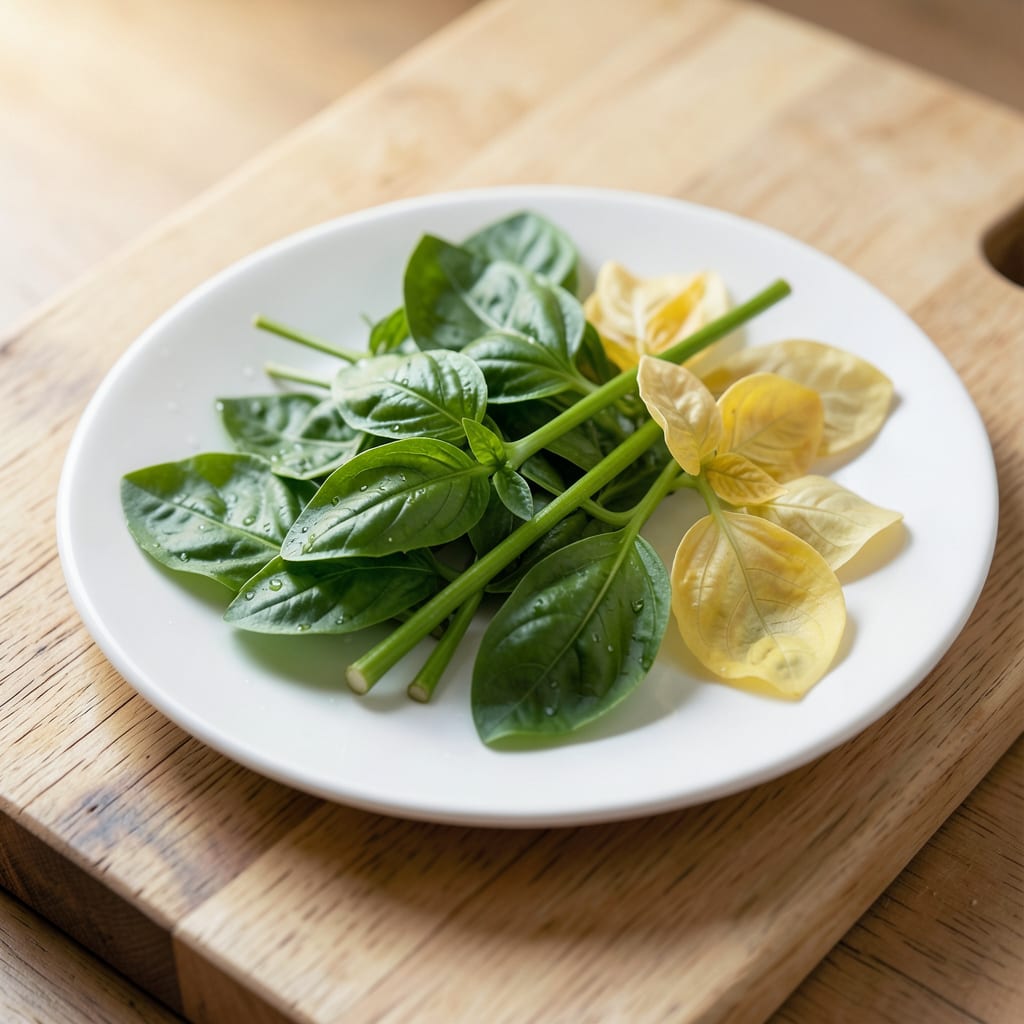
Yellow basil leaves stare back at you from the windowsill. I’ve seen this exact problem derail entire plants in 48 hours if left unchecked, but the good news is it’s usually fixable once you identify the cause.
Overwatering drowns roots, underwatering stresses the plant, and pests like aphids suck the life out of leaves. Each issue leaves a different pattern of yellowing—spotting, uniform fade, or veins staying green—that tells you exactly what to do.
The solutions are simple: adjust watering, check drainage, or treat with neem oil. Most plants bounce back within a week when you catch it early. The key is acting fast before the damage spreads to stems.
Prevention is even easier than treatment. Proper pots, consistent care, and regular inspections keep basil thriving in that vibrant green we all love.
Basil leaves turn yellow due to several environmental, nutritional, or pest-related stressors. Below are the most common causes, explained with actionable insights to help you diagnose and fix the issue.
Excessive moisture suffocates basil roots, preventing oxygen uptake and leading to root rot. Fungal pathogens like Phytophthora thrive in soggy soil, causing yellowing leaves (often starting at the base). Basil prefers moist but well-draining soil—water only when the top inch feels dry.
Basil needs 6–8 hours of sunlight daily. Too little light triggers chlorosis (yellowing) as chlorophyll production drops. Conversely, intense afternoon sun can scorch leaves, causing yellow or brown patches. Use sheer curtains or move pots to a brighter (but not direct) spot if growing indoors.
A lack of nitrogen (essential for leaf growth) often causes uniform yellowing, starting with older leaves. Magnesium or iron deficiencies may lead to interveinal chlorosis (yellowing between veins). Test soil pH (ideal: 6.0–7.5); amend with compost or a balanced fertilizer if needed.
Spider mites, aphids, or whiteflies sap nutrients from basil leaves, causing yellow stipling or curling. Check undersides for webbing (mites) or sticky residue (aphids). Treat with neem oil or insecticidal soap, and isolate affected plants.
Pathogens like Fusarium wilt or bacterial leaf spot cause yellowing with dark spots or wilting. Remove infected leaves immediately, avoid overhead watering, and ensure good air circulation. Copper-based fungicides can help for bacterial issues.
Basil thrives in 70–85°F (21–29°C). Cold drafts (below 50°F/10°C) or heatwaves can shock the plant, leading to yellowing. Move potted basil indoors during cold snaps or provide shade during heat spikes.
If your basil leaves are turning yellow, don’t panic—most causes are fixable with simple adjustments. Below are targeted solutions for each common issue, plus prevention tips to keep your plant thriving.
Let the top inch of soil dry out before watering again. Basil prefers moist but not soggy soil. Use a pot with drainage holes to prevent root rot. Prevention tip: Stick your finger in the soil—if it feels damp an inch down, wait another day.
If the soil is bone-dry, give your basil a deep watering until it drains from the bottom. Keep the soil evenly moist, especially in hot weather. Prevention tip: Mulch around the base to retain moisture.
Use a balanced, water-soluble fertilizer (10-10-10) every 4–6 weeks during the growing season. Yellowing lower leaves often signal a nitrogen deficiency. For organic options, try compost tea or fish emulsion. Prevention tip: Refresh potted soil annually for nutrient-rich conditions.
Check the undersides of leaves for aphids, spider mites, or whiteflies. Spray off pests with water or apply neem oil (mix 1 tsp oil + 1 tsp dish soap per liter of water). Prevention tip: Isolate new plants for a week to avoid infestations.
Move potted basil indoors if temperatures drop below 50°F (10°C). Avoid placing it near cold drafts or heat sources. Prevention tip: Use a heat mat in early spring if growing outdoors in cooler climates.
Remove affected leaves and space plants for better circulation. Water at the base (not overhead) to keep foliage dry. A copper fungicide can help for severe cases. Prevention tip: Prune regularly to reduce humidity buildup.
💡 Pro Tip: Rotate your basil pot weekly for even sunlight exposure—this prevents weak, yellowing growth on one side!
Water when the top 1 inch of soil feels dry. Basil thrives with consistent moisture but hates soggy roots. In hot weather, this might mean watering every 2-3 days.
Once leaves turn yellow, they won’t revert to green. Remove them to redirect the plant’s energy to healthy growth. Focus on fixing the underlying issue to prevent new yellowing.
Mix 1 teaspoon neem oil and 1 teaspoon dish soap per liter of water. Spray on leaves, especially undersides, and repeat every 3-4 days until pests are gone.
Only if nutrient deficiency is the cause. Use a balanced 10-10-10 fertilizer every 4-6 weeks. Over-fertilizing can worsen stress, so test soil first if unsure.
