
Beautiful Plants For Your Interior
Beautiful Plants For Your Interior
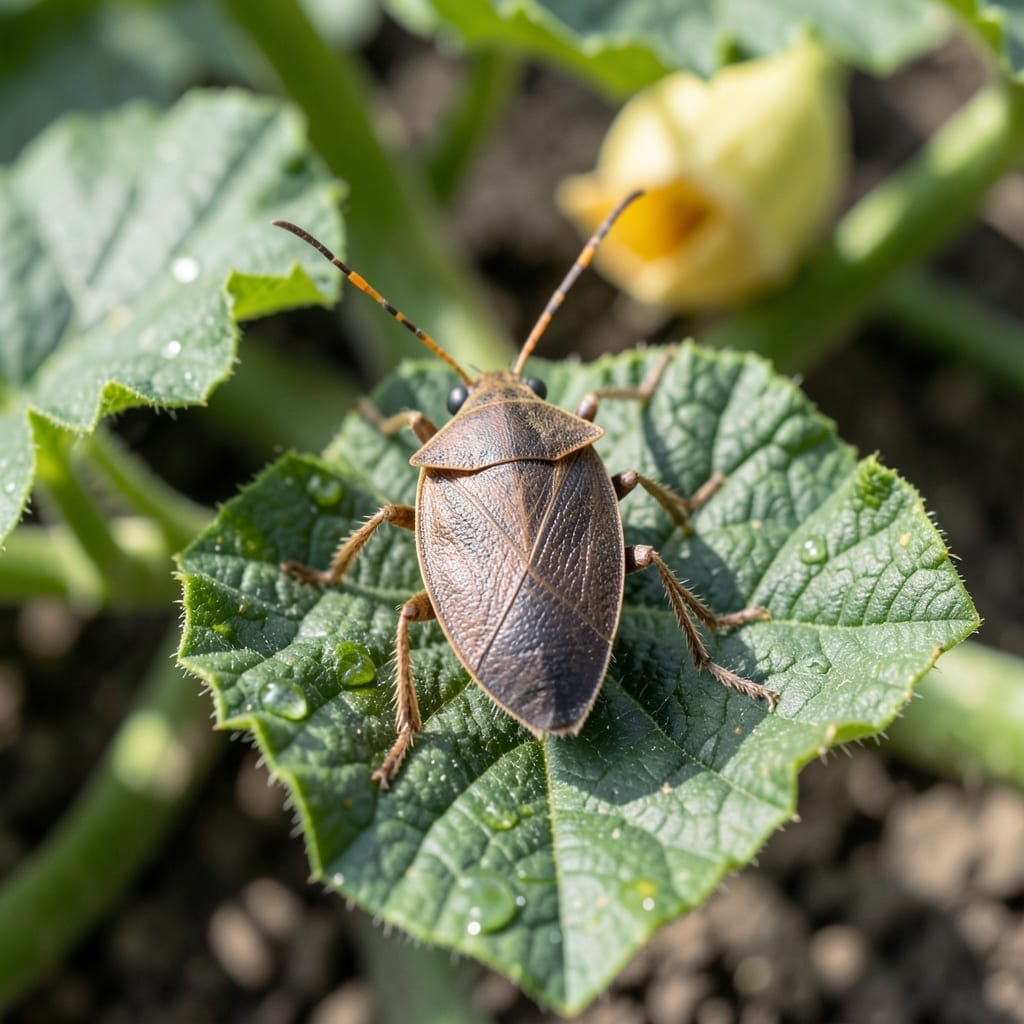
Squash bugs are harmful pests that damage cucumber, squash, and pumpkin plants by sucking sap, causing wilting, yellowing leaves, and reduced yields. They also spread bacterial diseases.
I’ve seen firsthand how these pests target the vining plants in gardens, often clustering under leaves to feed undetected. Their piercing mouthparts not only drain plant nutrients but also introduce toxins that accelerate decline. Early detection is critical, as mature bugs can lay hundreds of eggs, making infestations explode overnight. 🔥
💡 In This Article
These pests use their needle-like mouthparts to pierce plant stems and leaves, extracting vital sap. This feeding process doesn’t just remove nutrients—it also injects toxic saliva that disrupts the plant’s vascular system, leading to wilting and discoloration. The damage often appears first as yellow or brown spots on leaves, which eventually turn crispy and die.
🔥
Adult squash bugs can consume up to 1.5x their body weight in sap daily, while nymphs, though smaller, feed in clusters that amplify the impact. The most destructive phase occurs during the nymph stage, as they tend to congregate in large groups on a single plant.
This concentrated feeding can kill young seedlings overnight and stunt mature plants.
The bugs also act as vectors for Serratia marcescens, a bacterium that causes cucurbit yellow vine disease. This pathogen spreads as the insects move between plants, creating secondary infections that compound the direct feeding damage. Infected plants often exhibit sudden wilting followed by complete collapse within 1-2 weeks. ✨
Look for telltale signs like small, yellowish eggs laid in neat rows on the undersides of leaves, or the distinctive foul odor released when crushing the bugs. The eggs hatch in 7-10 days, and the nymphs immediately begin feeding, making early detection crucial for control.
The bugs’ flat bodies allow them to hide in soil cracks or under debris when disturbed.
Plants under stress from drought or poor soil conditions are particularly vulnerable. I’ve noticed that water-stressed cucumbers often attract 3-5x more squash bugs than well-hydrated ones, as the reduced sap flow makes the plants’ nutrients more concentrated and appealing to the pests. 💫
Look for yellow or brown spots on leaves that turn crispy. Check undersides for clusters of small, copper-colored eggs or foul-smelling bugs hiding near the base.
Squash, pumpkins, and cucumbers are primary targets. They also attack melons and other cucurbit family plants. Zucchini and yellow squash are especially vulnerable.
Yes, young seedlings can die quickly from concentrated nymph feeding. Mature plants typically show gradual decline, but severe infestations can cause sudden wilting within 1-2 weeks.
Birds, spiders, and parasitic wasps eat squash bugs. Encourage these predators by maintaining a diverse garden and avoiding broad-spectrum pesticides.