
Beautiful Plants For Your Interior
Beautiful Plants For Your Interior
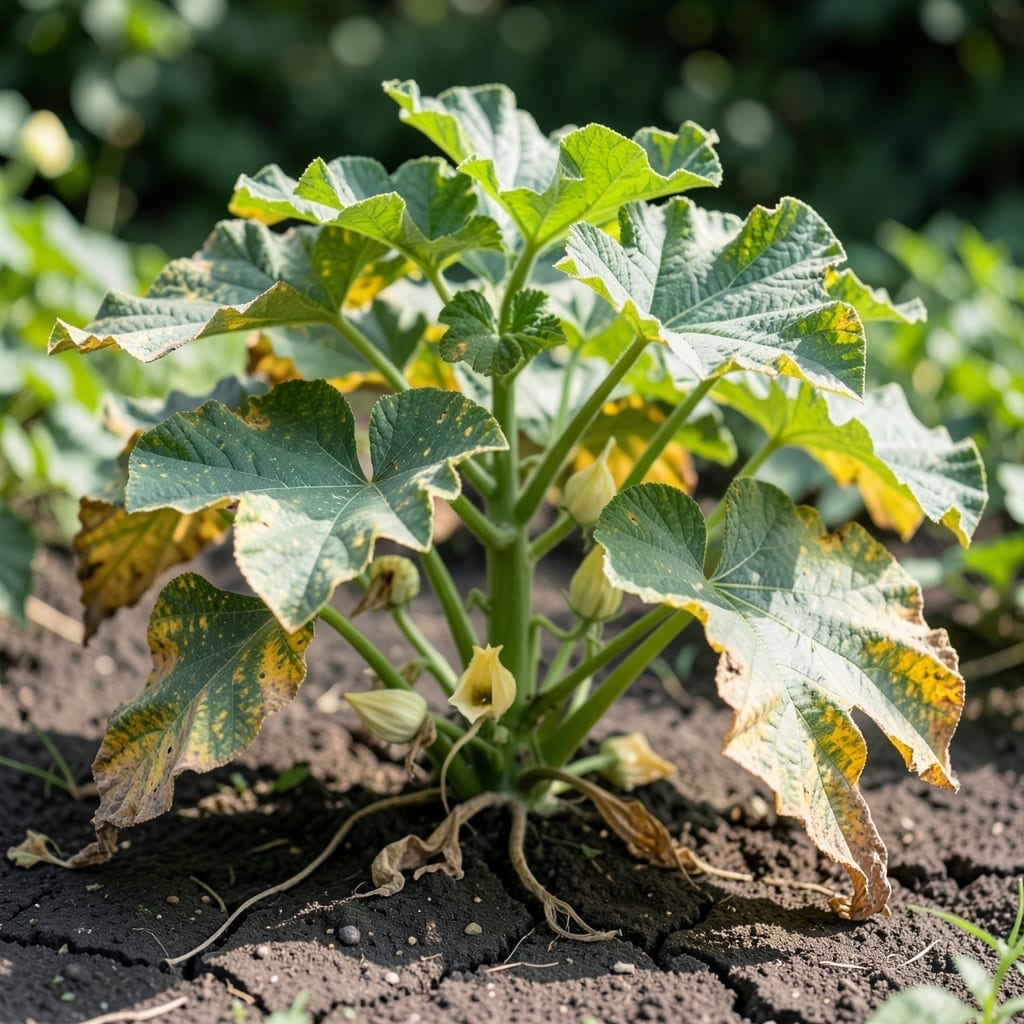
That sinking feeling when healthy vines start turning yellow overnight. I’ve lost entire cucumber crops this way before learning how to spot the early warnings.
It’s rarely just one problem—usually a combo of stressed roots, hungry pests, or soil that’s missing key nutrients. The pattern often starts with pale spots on older leaves before spreading upward.
Catching it early means you can still turn things around with organic fixes. Most cases respond to better drainage, targeted feeding, or removing the real culprits hiding beneath the soil.
Works for squash, melons, grapes—any vine that suddenly loses its vibrancy. Here’s how to diagnose and fix it fast.
Yellow vine decline doesn’t happen overnight—it’s usually the result of a few key stressors working against your plants. Understanding these causes helps you target solutions effectively.
Fungal and bacterial pathogens like Fusarium or Phytophthora attack the roots, disrupting nutrient uptake. These microbes thrive in waterlogged or poorly drained soils, starving the vine of essential resources. Testing soil for pathogens early can prevent widespread damage.
Both overwatering and drought can trigger decline. Too much water suffocates roots, while too little leaves vines dehydrated and weak. Consistency is key—aim for deep, infrequent watering to encourage strong root systems.
A lack of nitrogen, magnesium, or iron often shows up as yellowing leaves. Sandy or heavily leached soils may strip these nutrients away. Regular soil tests and organic amendments (like compost or bone meal) can restore balance.
Sap-sucking pests like aphids or mites weaken vines by draining nutrients and spreading viruses. Check undersides of leaves for early signs and treat with neem oil or insecticidal soap before populations explode.
Tackling yellow vine decline starts with pinpointing the root cause and applying targeted fixes. Below are practical solutions for the most common triggers, along with prevention tips to keep your vines thriving.
Yellowing leaves often signal a lack of nitrogen, magnesium, or iron. Fix: Apply a balanced organic fertilizer or compost tea to replenish nutrients. For iron deficiency, use chelated iron or foliar sprays. Prevention: Test soil annually and amend with compost before planting.
Soggy roots suffocate plants, causing yellowing and wilting. Fix: Improve drainage by mixing in sand or perlite. If the vine is in a container, ensure it has drainage holes. Prevention: Water only when the top inch of soil is dry, and use mulch to retain moisture without oversaturation.
Aphids, spider mites, or whiteflies can stress vines, leading to discoloration. Fix: Spray with neem oil or insecticidal soap, focusing on the undersides of leaves. For severe cases, introduce beneficial insects like ladybugs. Prevention: Inspect plants weekly and encourage biodiversity to deter pests naturally.
Spots, mold, or wilting may indicate a fungal or bacterial issue. Fix: Remove infected leaves and apply copper-based fungicides or baking soda sprays. Prevention: Space plants properly for airflow, avoid overhead watering, and rotate crops to prevent soil-borne diseases.
Too much direct sun or extreme heat can scorch leaves, turning them yellow. Fix: Provide temporary shade cloth during peak sunlight or move potted vines to a cooler spot. Prevention: Acclimate plants gradually to sunlight and ensure consistent hydration during heatwaves.
Pro Tip 💡: Early intervention is key! Monitor your vines daily for changes and act at the first sign of trouble to prevent yellow vine decline from spreading.
Nutrient deficiencies often appear as uniform yellowing between leaf veins, while diseases cause irregular spots or patches. Test soil first—if pH is off, nutrients may be locked out.
Remove only severely damaged leaves to redirect energy to healthy growth. Avoid over-pruning, which stresses the plant further. Always sterilize tools between cuts.
With proper care, mild cases show improvement in 2-3 weeks. Severe decline may take a full growing season to rebound. Consistency in watering and feeding speeds recovery.