
Beautiful Plants For Your Interior
Beautiful Plants For Your Interior
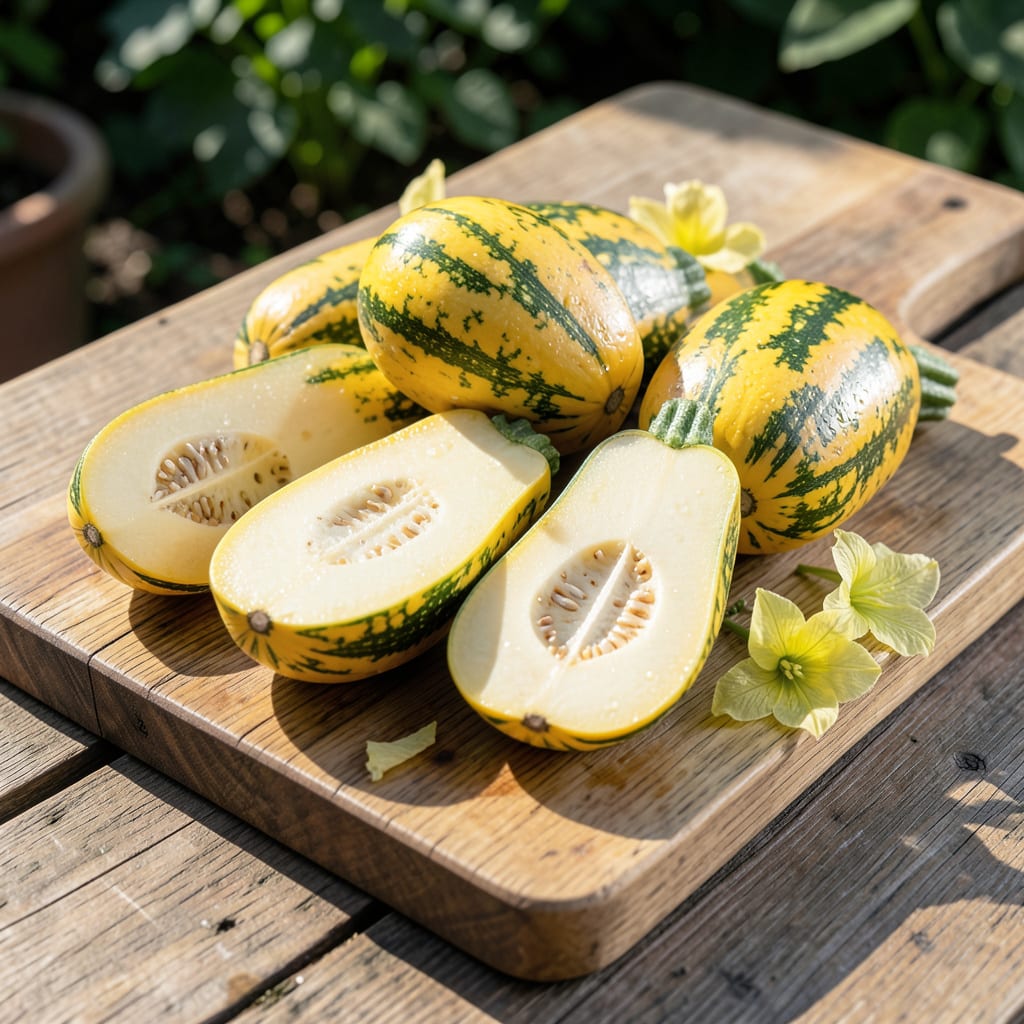
Green spots on your yellow squash aren’t just unsightly—they’re trying to tell you something. I’ve seen this happen with my own plants, and the culprit is usually one of three things: a fungus, a virus, or inconsistent growing conditions.
Most cases clear up with better air flow and a simple spray. The key is catching it early, before the spots spread. Here’s how to diagnose and fix it without reaching for harsh chemicals.
📚 In This Guide
Here’s how I approach identifying and fixing this issue in my own garden.
Start by examining the entire plant, not just the affected fruit. Green spots on yellow squash often appear when the fruit is exposed to too much direct sunlight before maturing. Look for pale yellow or white patches on the side facing the sun—this is a classic sign of sunscald.
Check the leaves for any signs of disease or pest activity. If the green spots are irregular and accompanied by powdery mildew or leaf discoloration, you’re likely dealing with a fungal infection instead. Note the location and size of the spots to narrow down the cause.
If sunscald is the culprit, the solution is simple: provide shade. I use 30-40% shade cloth to protect developing fruit from intense afternoon sun. Drape it over a lightweight frame or use existing garden structures to create dappled shade.
For smaller plants, a temporary fix like a lightweight row cover can work. Ensure the material is breathable to avoid trapping heat. You’ll see results within a week as new fruit develops with even color. This prevents future spots while allowing current ones to mature normally.
Uneven coloring can also stem from nutrient imbalances. Green spots might indicate excess nitrogen, which promotes leafy growth at the expense of fruit development. Test your soil—if nitrogen levels are high, hold off on fertilizing and water deeply to flush out excess nutrients.
On the other hand, a deficiency in potassium or magnesium can cause blotchy coloration. I add compost tea or a balanced organic fertilizer to restore equilibrium. Yellow squash typically responds within 10-14 days with more uniform fruit color.
If pests or diseases are to blame, act quickly. For squash bugs or cucumber beetles, remove them by hand early in the morning when they’re sluggish. A spray of neem oil applied in the evening can deter further infestations without harming pollinators.
For fungal issues like powdery mildew, improve air circulation by spacing plants 2-3 feet apart. Remove heavily infected leaves and apply a baking soda solution (1 tablespoon per gallon of water) as a preventive measure. Reapply after rain or heavy watering.
After addressing the issue, keep an eye on new growth. Healthy squash plants should produce fruit with even yellow coloring when given 1 inch of water per week and full sun for most of the day. Mulch around the base to retain moisture and prevent soil-borne diseases.
Rotate your crops yearly to avoid recurring problems. I’ve found that planting squash in the same spot more than once every 3 years increases the risk of disease. With consistent care, your plants will recover and produce vibrant, uniform fruit for the rest of the season.
These practical insights will help you diagnose and resolve the issue more effectively.
Diagnosis Shortcut: In Step 1, focus on the pattern of the green spots. If they appear only on the side facing the sun, you’re almost certainly dealing with sunscald. Irregular spots with accompanying leaf discoloration point to fungal issues instead. I’ve saved hours by noticing this distinction early.
Shade Solution: For Step 2, if you don’t have shade cloth, use an old bedsheet temporarily. Just ensure it’s light-colored and breathable to avoid heat buildup. I’ve had success with this quick fix when caught off guard by sudden heatwaves.
Nutrient Timing: In Step 3, don’t expect immediate results from soil amendments. The 10-14 day response time mentioned is accurate—patience is key. I once gave up too soon and missed seeing the improvement just days later.
Prevention Strategy: Step 5’s crop rotation advice is crucial. I learned the hard way that planting squash in the same spot yearly leads to recurring problems. The 3-year rotation rule has kept my garden healthy ever since.
Yes! Green spots are usually harmless if the squash is firm and free of mold or rot. They often indicate uneven ripening or variety traits. Wash thoroughly and check for softness or bad odors before eating.
Green spots can result from insufficient sunlight, uneven ripening, or certain squash varieties like ‘Zucchini’ hybrids. Viral infections or nutrient deficiencies (e.g., magnesium) may also play a role.
Ensure full sun exposure (6-8 hours daily), rotate crops yearly, and maintain balanced soil nutrients. Water consistently at the base to avoid foliar diseases. Remove affected plants if viral issues persist.
Neem oil can help if the spots are due to fungal or pest issues, but it won’t fix nutrient deficiencies or genetic traits. Apply in the evening, following label instructions, to avoid leaf burn.
Yes! Some heirloom or hybrid varieties, like ‘Golden Zucchini’ or ‘Eight Ball,’ may develop green streaks or spots as they mature. These are normal and don’t affect flavor or safety.
