
Beautiful Plants For Your Interior
Beautiful Plants For Your Interior
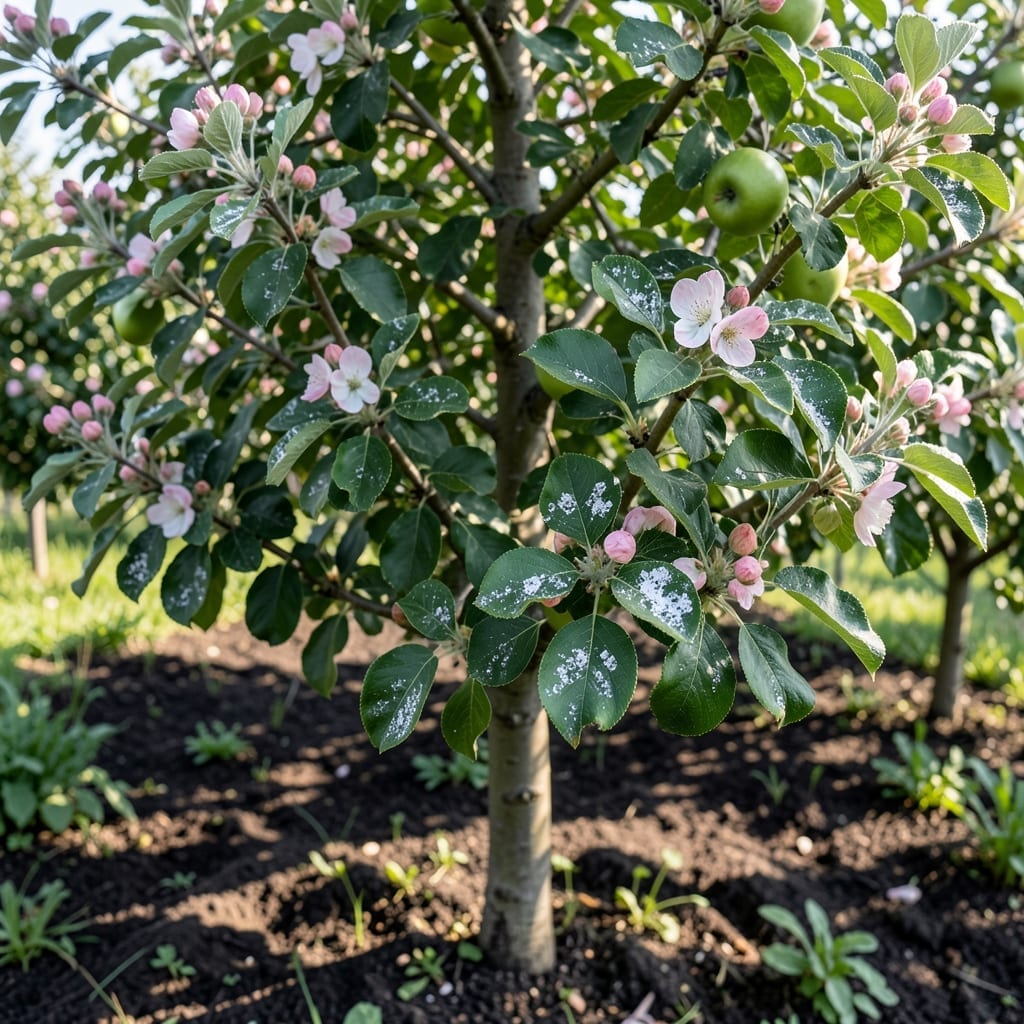
That white powder on your apple tree leaves isn’t just unsightly—it’s stealing your harvest. I spent years fighting this same battle until I figured out the simple pattern behind the outbreaks.
Powdery mildew thrives in warm, dry days with cool, humid nights, spreading fastest when plants are crowded or stressed. The first sign is usually a dusty coating on new growth, which quickly spreads to fruit if ignored.
Left untreated, it weakens trees and reduces yields by 30-50%. The good news? A few consistent habits can break the cycle completely. No fancy equipment required.
Whether you’re organic or open to sprays, the solution starts with airflow and timing. Here’s how to take back control of your trees.
Apple trees develop white fungus, commonly powdery mildew (Podosphaera leucotricha), due to a mix of environmental and biological factors. Below are the primary causes, explained with actionable insights.
This fungus thrives in humid conditions (70-90% relative humidity) with stagnant air. Dense canopies or crowded plantings trap moisture, creating ideal breeding grounds. Prune branches to improve airflow and reduce leaf wetness, which inhibits spore germination.
Wetting foliage during irrigation or rain spreads fungal spores. Water at the base of the tree, ideally in the morning, so leaves dry quickly. Avoid evening watering, as prolonged dampness overnight accelerates infection.
Some apple cultivars (e.g., Jonathan, Rome) are genetically more vulnerable. If powdery mildew recurs, consider planting resistant varieties like Liberty or Enterprise in future seasons.
The fungus survives winter in infected buds or fallen leaves. Remove and destroy (do not compost) diseased plant debris in autumn to break the lifecycle. Dormant-season fungicide sprays (e.g., lime sulfur) can also reduce spore load.
Excess nitrogen promotes lush, tender growth—highly susceptible to mildew. Balance fertilization with potassium and phosphorus to strengthen cell walls. Test soil annually and adjust amendments accordingly.
Tackling white fungus on your apple tree starts with identifying the cause and applying the right fix. Below are practical solutions for common issues, along with prevention tips to keep your tree healthy long-term.
Fungus thrives in damp, stagnant conditions. Prune dense branches to improve airflow, especially in the tree’s center. Remove any crossing or inward-growing limbs, and thin out crowded areas. This reduces humidity and lets sunlight reach all parts of the tree.
Prevention: Space trees at least 10–15 feet apart when planting, and prune annually in late winter.
Wet leaves create a perfect breeding ground for powdery mildew. Switch to drip irrigation or water at the base of the tree to keep foliage dry. If using a hose, water early in the day so leaves dry quickly in the sun.
Prevention: Water deeply but infrequently—about 1–2 inches per week—and always aim for the soil, not the leaves.
For active white fungus, use a fungicide labeled for powdery mildew. Organic options like neem oil or sulfur-based sprays work well if applied at the first sign of trouble. Mix according to the label and spray thoroughly, covering both sides of leaves.
Prevention: Apply a preventative fungicide in early spring before buds swell, and reapply every 7–14 days during wet seasons.
Fallen leaves, fruit, and pruned branches can harbor fungus. Rake and remove all debris from under the tree, and dispose of it in the trash (not compost). Disinfect pruning tools with rubbing alcohol between cuts to avoid spreading spores.
Prevention: Keep the area around your tree free of organic clutter year-round.
💡 Pro Tip: Strengthen your tree’s defenses with balanced fertilizer and proper mulching (2–3 inches of mulch, kept away from the trunk) to reduce stress and improve resilience.
Yes, if left untreated, it weakens the tree and can reduce fruit yield by 30-50%. The fungus spreads quickly, especially in warm, humid conditions. Early intervention is key to preventing lasting damage.
Mix 1 tablespoon baking soda, 1 teaspoon dish soap, and 1 gallon water for a DIY spray. Apply every 7-10 days until the fungus clears. Neem oil is another effective organic option.
Prune in late winter or early spring before new growth starts. This improves airflow and reduces humidity, making it harder for spores to settle. Always disinfect tools between cuts to avoid spreading the fungus.