
Beautiful Plants For Your Interior
Beautiful Plants For Your Interior
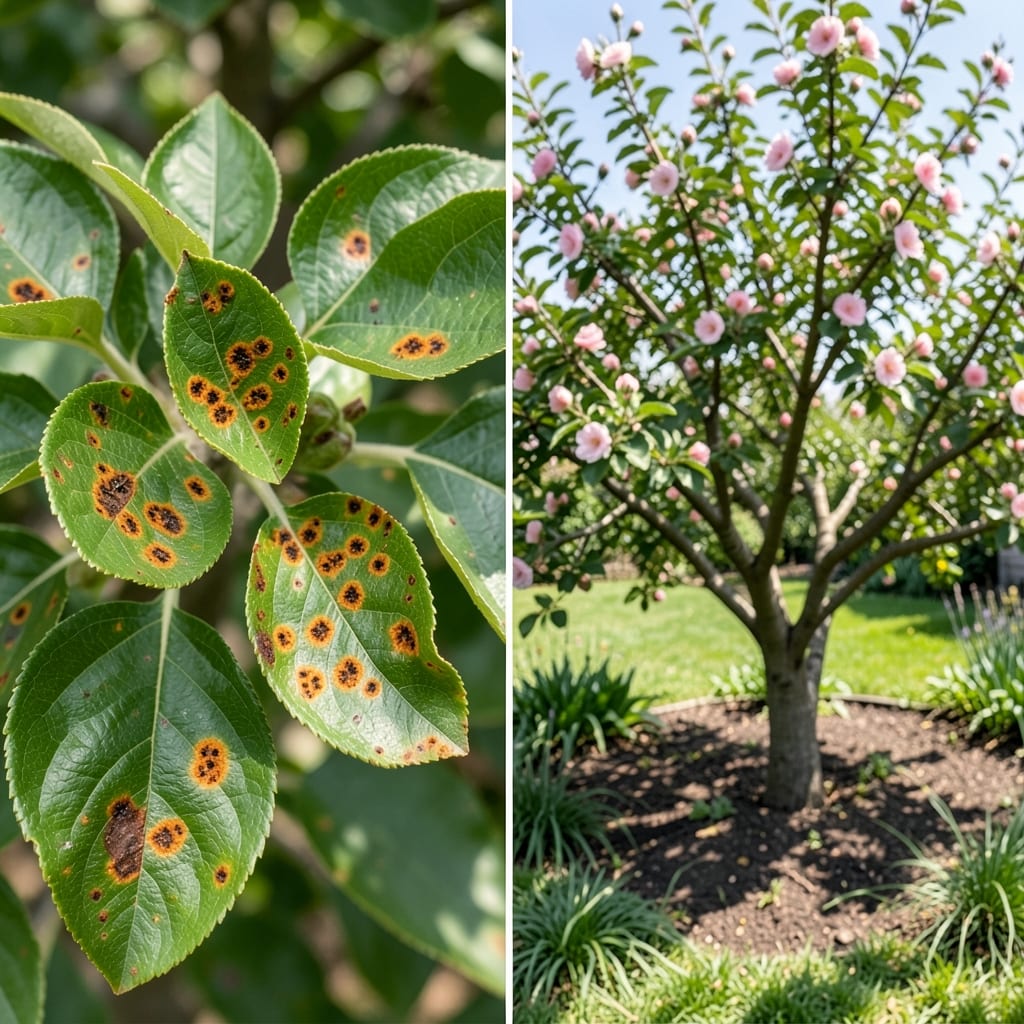
Yellow spots on apple leaves ruined my harvest last year. This sneaky fungus spreads fast, turning green foliage into a disease-ridden mess before you even notice.
I learned the hard way that early detection is everything. Catching those first orange pustules means the difference between saving your crop and watching it wither away. It starts subtle then explodes overnight.
The solution isn’t complicated—just consistent. Remove infected leaves, improve air circulation, and apply the right treatment at the right time. My trees bounced back in one season with this approach.
Works for backyard orchards and single trees alike. Here’s how to spot it early and stop it cold.
Apple leaf rust, a common fungal disease, doesn’t appear out of nowhere. It thrives under specific conditions, often tied to environmental factors and poor orchard management. Understanding these triggers is key to prevention and control.
The fungus Gymnosporangium juniperi-virginianae, responsible for apple leaf rust, requires prolonged leaf wetness to infect. Rainy seasons, overhead irrigation, or poor drainage create the perfect damp environment for spores to germinate and spread. Even dew-heavy mornings can contribute if leaves stay wet for 6–12 hours.
This rust fungus has a complex life cycle, alternating between apple trees and juniper hosts (like Eastern red cedar). If your orchard is near juniper plants, spores can travel via wind, infecting apple leaves. Removing nearby junipers or resistant varieties can break this cycle.
Cool to moderate temperatures (55–75°F) speed up spore germination and disease development. Spring and early summer, when these conditions are common, are high-risk periods. Warm, dry weather, conversely, slows the fungus’s progress.
Dense canopies or overcrowded trees restrict airflow, trapping moisture and creating a humid microclimate. Pruning to open the tree’s center improves ventilation, reducing the likelihood of rust taking hold.
Some apple cultivars, like ‘Jonathan’ or ‘Golden Delicious,’ are more vulnerable to rust. Planting resistant varieties (e.g., ‘Liberty’ or ‘Enterprise’) or using fungicidal sprays during critical growth stages can mitigate risk.
Tackling apple leaf rust starts with identifying the cause and applying the right fix. Here’s a practical guide to solving the problem and keeping your trees healthy.
If you spot orange or yellow rust spots on leaves, act fast. Prune and remove affected foliage to prevent the fungus from spreading. Burn or dispose of the leaves in sealed bags—never compost them, as the spores can linger.
For severe infections, use a copper-based fungicide or neem oil. Apply early in the season or at the first sign of rust. Follow the product’s instructions for timing and dilution. Reapply after rain to maintain protection.
Fungus thrives in damp, stagnant conditions. Thin out crowded branches to boost airflow and reduce moisture buildup. Space trees properly during planting to prevent future issues.
Consistency is key—monitor your trees regularly and address rust early to keep your orchard thriving. ✨
Early symptoms include small yellow spots on upper leaf surfaces. These develop into bright orange pustules on the undersides within 1-2 weeks. Check leaves regularly in spring and early summer.
The fungus overwinters on juniper hosts nearby. Even if you treat your apple trees, spores can travel up to 1 mile on wind. Removing all juniper plants within this range breaks the cycle.
A baking soda solution (1 tablespoon per gallon of water) can help prevent spread. Add a drop of dish soap for better adhesion. Apply weekly at first signs, but switch to fungicides for severe cases.
Apply preventative treatments in early spring before buds open. For active infections, treat immediately when you spot rust. Reapply after rain or every 7-10 days during wet seasons.