
Beautiful Plants For Your Interior
Beautiful Plants For Your Interior
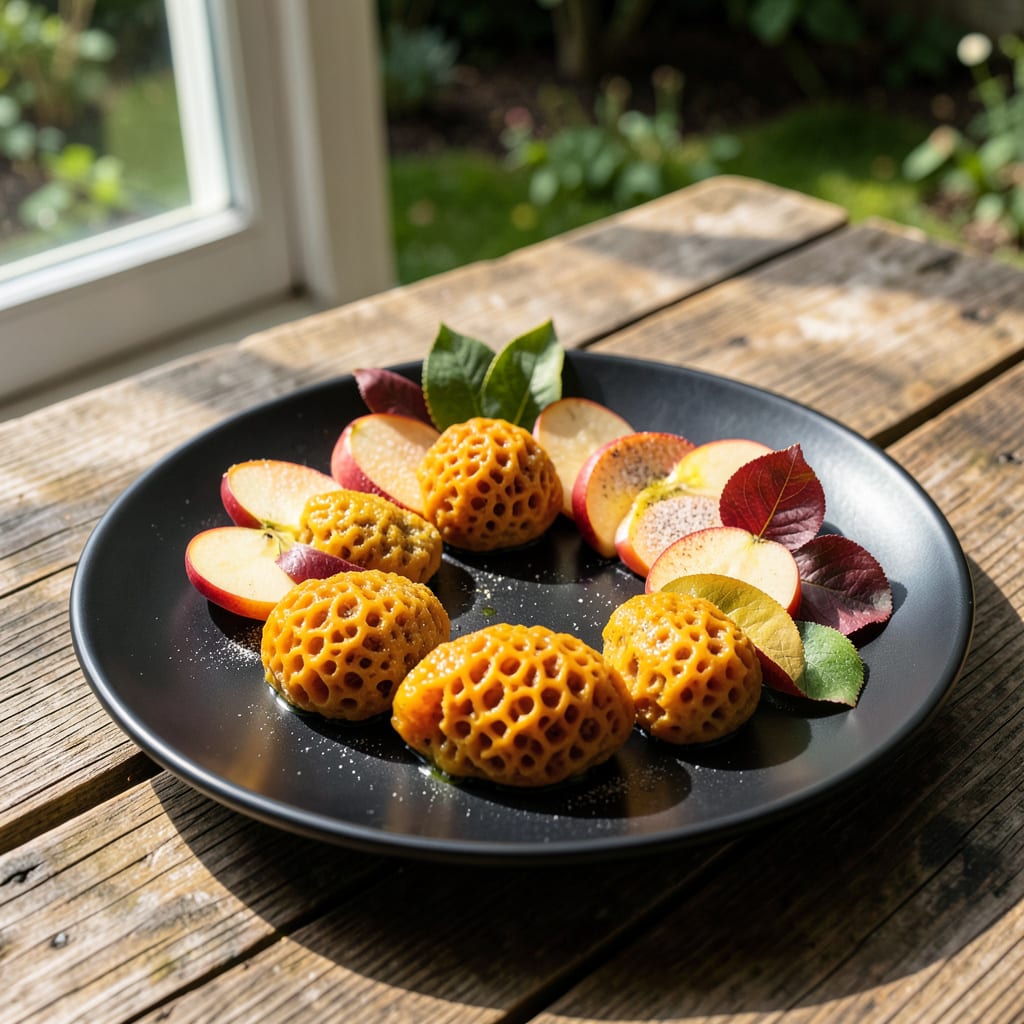
Those orange galls on your cedar aren’t just ugly—they’re plotting against your apple trees. I spotted them too late my first season and lost half my harvest to rust-covered leaves and twisted fruit.
The fungus jumps between cedars and apples, so treating one without the other just delays the problem. You’ll need to break the cycle with early spring timing and consistent effort. Most gardeners miss the window between bud break and bloom.
Organic solutions work surprisingly well: removing galls, applying neem oil, and choosing resistant varieties. My trees now stay clean and productive without harsh chemicals, and the difference shows in the fruit.
Works for both ornamental cedars and fruit trees. Here’s how to stop the spread before it starts.
Cedar apple rust fungus (Gymnosporangium juniperi-virginianae) doesn’t appear out of thin air—it thrives under specific conditions. Understanding why it happens is the first step to stopping it. Here are the key triggers:
The fungus requires two host plants to complete its life cycle: juniper (cedar) and apple/crabapple. If these grow within 1–2 miles of each other, spores can travel via wind, infecting susceptible trees. Even ornamental junipers in landscapes can harbor the disease.
Moisture is critical for spore germination. Prolonged rain or heavy dew in spring (when temperatures hover between 50–75°F) creates ideal conditions for spores to infect apple leaves, flowers, or fruit. A single wet week can spark an outbreak.
Not all apples or cedars are equally vulnerable. Highly susceptible apple/crabapple cultivars (e.g., ‘McIntosh’, ‘Jonathan’, ‘Hawthorne’) lack genetic resistance. Similarly, Eastern red cedar and other Juniperus species are primary carriers of the fungus’s overwintering stage.
The fungus survives winter as hardy galls on juniper branches. In spring, these galls produce gelatinous, orange tendrils that release spores. If left unchecked, these structures can persist for years, reinfecting nearby apples annually.
Dealing with cedar apple rust requires a mix of proactive removal, protective sprays, and good garden hygiene. Below are targeted fixes for each stage of the problem, plus prevention tips to keep your trees healthy long-term.
If you spot yellow-orange spots on apple or crabapple leaves, act fast. Remove and destroy infected leaves (do not compost). Apply neem oil or copper fungicide to remaining foliage, following label instructions for timing and dilution. Reapply after rain or every 7–10 days during wet seasons.
When fruits develop lesions, prune affected branches 2–3 inches below the damage. Sanitize pruners with rubbing alcohol between cuts. Treat the tree with sulfur-based sprays (avoid using in temperatures above 85°F to prevent leaf burn). For organic control, baking soda spray (1 tbsp baking soda + 1 tsp dish soap + 1 gallon water) can help suppress spread.
On cedar or juniper trees, the fungus appears as brown, gelatinous galls. Prune and remove galls in late winter or early spring before they release spores. Bag and dispose of them immediately. For severe cases, apply horticultural oil to smother overwintering spores.
Consistency is key: early intervention and seasonal vigilance will break the fungus’s life cycle and protect your trees.
Apply treatments in early spring before buds break, typically March to April. This timing interrupts the fungus before spores spread. Repeat after rain or every 7–10 days during wet conditions.
Yes! A baking soda spray (1 tbsp baking soda + 1 tsp dish soap + 1 gallon water) helps suppress spores. Neem oil also works well as a natural fungicide. Consistency is key for organic methods.
The fungus requires both hosts to complete its life cycle. Removing galls from cedar prevents spores from reinfecting your apple trees next season. Bag and dispose of galls immediately.
‘Liberty’, ‘Enterprise’, and ‘Freedom’ are highly resistant. These varieties minimize the need for frequent treatments while maintaining fruit quality.
