
Beautiful Plants For Your Interior
Beautiful Plants For Your Interior
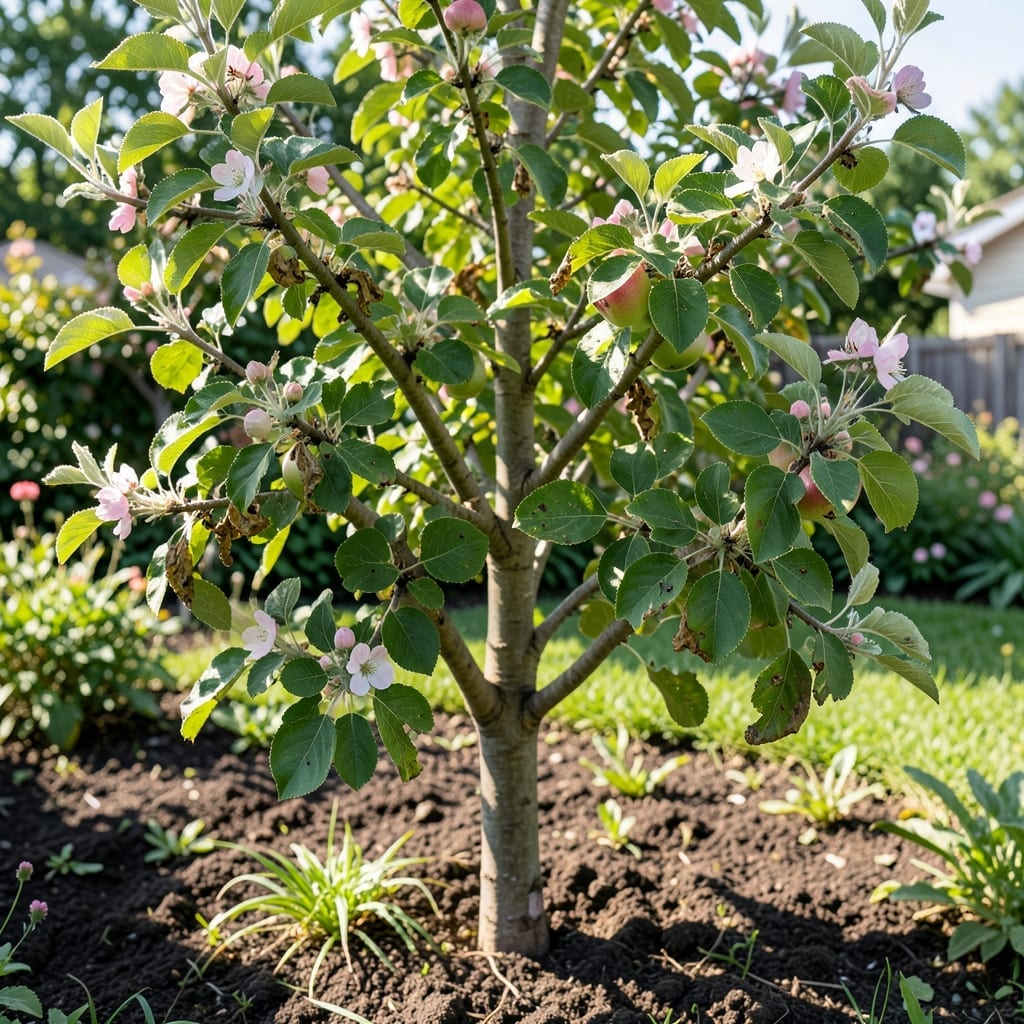
Tiny midges can ruin an entire apple crop before you notice. I lost a third of my harvest one season to curled, distorted leaves that never recovered.
These pests lay eggs in developing leaves, causing them to curl and thicken. The damage looks like herbicide injury, but it’s actually the larvae feeding inside. Early spring is when they strike hardest.
Organic control starts with monitoring and timing. Remove affected leaves immediately to break the cycle. Beneficial insects and neem oil can help, but prevention is the real key.
Healthy trees resist better, so focus on soil and water first. A little vigilance now saves months of frustration later.
The apple leaf curl midge (Dasineura mali) causes its signature damage through a precise biological process tied to its life cycle and feeding habits. Below are the primary triggers behind the curling and distortion of apple leaves.
Adult midges lay eggs in the unopened leaf buds of apple trees during early spring, just as the buds begin to swell. The eggs hatch into larvae, which then feed on the developing leaf tissue. This feeding disrupts the normal growth of the leaves, leading to the characteristic curling, thickening, and reddening as the leaves expand.
The larvae secrete saliva containing growth-regulating enzymes that interfere with cell division and elongation. This chemical interference forces the leaf margins to curl inward, creating a protective microhabitat for the larvae. The damaged tissue also becomes more susceptible to secondary infections, compounding the problem.
The midge’s activity is tightly synchronized with the phenological stage of the apple tree. Infestations peak when buds are at the green tip to tight cluster stages. If the timing aligns, a single generation of midges can cause widespread damage before natural predators or control measures take effect.
Warm, humid springs (60–75°F / 15–24°C) accelerate midge development, increasing the likelihood of severe infestations. Trees in sheltered, low-lying, or densely planted orchards are especially vulnerable due to reduced airflow, which favors midge survival and reproduction.
Tackling apple leaf curl midge requires a mix of immediate action and long-term prevention. Here’s how to address the issue effectively:
Start by pruning and destroying curled or damaged leaves. These often harbor midge larvae, so removing them reduces the pest population. Dispose of the debris in sealed bags to prevent reinfestation. Do this early in the season before the midges mature and spread.
Use neem oil or insecticidal soap to target active midges. Spray in the early morning or late evening for best results, focusing on the undersides of leaves. Reapply every 7–10 days until the infestation subsides. These sprays disrupt the midges’ life cycle without harming beneficial insects.
Encourage natural predators like ladybugs, lacewings, or parasitic wasps to your orchard. Plant companion flowers (e.g., yarrow or dill) to attract them. These insects feed on midge larvae, providing long-term control without chemicals.
Consistency is key—combine these methods for sustained protection and thriving apple trees!
Inspect your apple trees in early spring, right as the leaf buds begin to swell. This is when adult midges lay eggs, so catching them early prevents the larvae from causing damage.
Chemical pesticides can be effective but may harm beneficial insects. Organic options like neem oil or insecticidal soap are safer and often just as effective when applied consistently.
The larvae’s saliva contains enzymes that disrupt normal leaf growth. This causes the edges to curl inward, thicken, and often redden as a stress response.
Removing and destroying curled leaves helps reduce the midge population by eliminating larvae. However, combine this with other methods like sprays or beneficial insects for full control.