
Beautiful Plants For Your Interior
Beautiful Plants For Your Interior
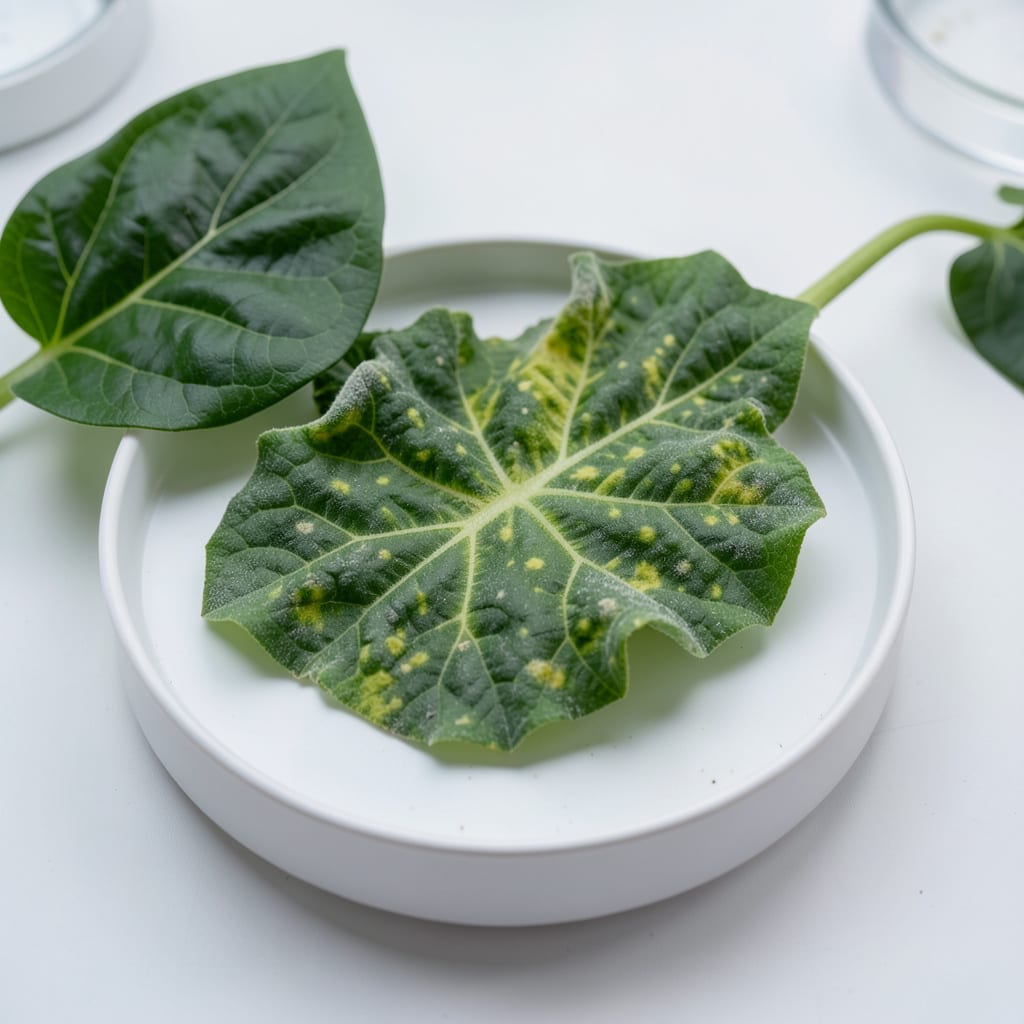
First time I saw those twisted, cupped leaves on my eggplants, I knew something was wrong. The plants looked stunted, like they were struggling just to survive. It’s a scary sight for any gardener, but catching it early makes all the difference.
This issue often starts with yellowing or curling at the edges before spreading to the whole leaf. The culprit? Usually a virus or environmental stress, but the good news is you can manage it without harsh chemicals. I’ve saved my plants more times than I can count.
With a few organic tweaks—like removing affected leaves and boosting plant health—you’ll give your eggplants a fighting chance. Prevention is easier than cure, so keep an eye out for the first warning signs.
Works for garden beds, containers, or even a single troubled plant. Here’s how to take action.
The eggplant leaf curl virus doesn’t appear out of thin air—it spreads through specific biological and environmental pathways. Understanding these causes helps you break the cycle and protect your crop.
The primary culprit is the silverleaf whitefly (Bemisia tabaci). These tiny insects feed on infected plants, ingesting viral particles, then transmit the virus to healthy eggplants during subsequent feedings. The virus replicates within the plant’s phloem, causing the characteristic leaf curling and stunted growth. B. tabaci is highly mobile, making rapid spread likely in untreated fields.
Using contaminated seeds, seedlings, or grafting material introduces the virus directly into your crop. Some eggplant varieties carry the virus asymptomatically, acting as hidden reservoirs. Always source certified disease-free seeds and inspect young plants for early signs like yellowing or cupped leaves.
While not the root cause, heat stress (temperatures above 90°F/32°C) and drought conditions weaken eggplants, making them more susceptible to infection. Stressed plants produce fewer defenses, allowing the virus to take hold faster. Maintaining consistent irrigation and shade cloth in extreme heat can reduce vulnerability.
Pruning shears, stakes, or even human hands can mechanically transfer the virus between plants if they come into contact with infected sap. Sterilize tools with a 10% bleach solution or rubbing alcohol between uses to prevent accidental contamination.
If your eggplants are showing signs of leaf curl, act fast with these targeted fixes to stop the virus in its tracks.
Pull up and destroy entirely any plants with severe curling or yellowing. This prevents the virus from spreading via aphids or gardening tools. Do not compost them—burn or bag them to avoid reinfection.
Aphids are the primary carriers of the virus. Blast them off with a strong water spray or apply neem oil or insecticidal soap every 3–5 days. Introduce natural predators like ladybugs or lacewings for long-term control.
Strengthen remaining plants with a balanced fertilizer (avoid excess nitrogen) and mulch to reduce stress. Healthy plants resist infections better. Water at the base to keep foliage dry, discouraging pests.
💡 Pro tip: Inspect new plants carefully before introducing them to your garden—some may already harbor the virus!
Look for upward or downward curling of young leaves, often with yellowing between veins. Leaves may also appear thickened or leathery. Early detection is key to preventing spread.
No, the virus itself doesn’t persist in soil, but infected plant debris can harbor it. Always remove and destroy affected plants completely. Rotate crops to break the cycle.
Yes, try ‘Black Beauty’ or ‘Ichiban’ which show better resistance. While not immune, these varieties can tolerate mild infections better than others.
The virus doesn’t make the fruit unsafe to eat, but infected plants often produce poor-quality eggplants. It’s best to remove severely affected plants to protect your harvest.
