
Beautiful Plants For Your Interior
Beautiful Plants For Your Interior
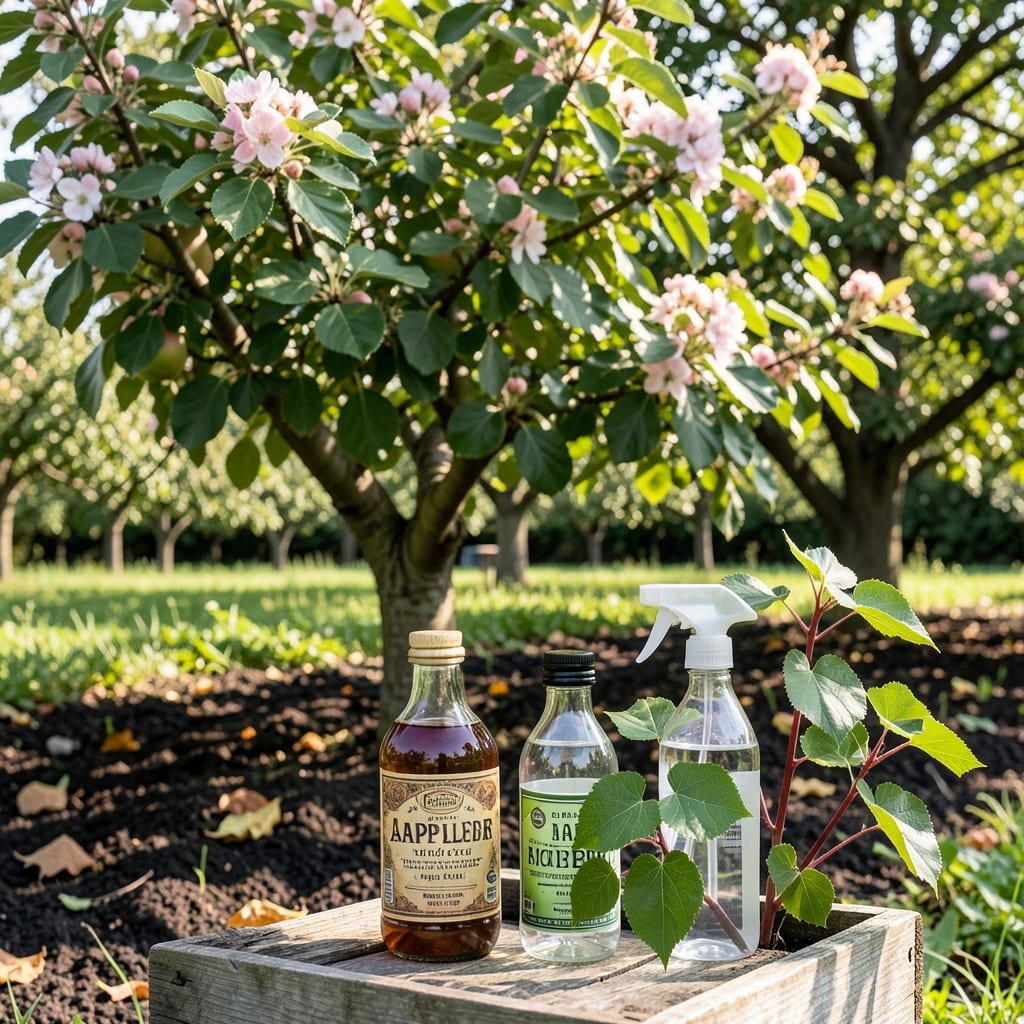
Apple cider vinegar can help dry out poison ivy rashes and relieve itching due to its acetic acid content. Dilute it with water before applying to avoid skin irritation.
I’ve seen firsthand how the astringent properties in vinegar help neutralize urushiol, the oil causing the reaction. 1 part vinegar to 2 parts water is the ratio I recommend for safe application. It balances effectiveness with skin protection, and I always suggest testing a small area first. 🔥
This method works best when started early, within the first 24-48 hours of exposure. The cooling sensation provides immediate comfort while the acidity helps calm inflammation over time.
💡 In This Article
The active compound here is acetic acid, which makes up about 5-6% of apple cider vinegar. This acid acts as a natural astringent, constricting skin tissues to reduce inflammation and oozing from the rash. It also helps break down urushiol, the oily resin from poison ivy that triggers the allergic reaction. 🔥
Urushiol binds to skin proteins within 10-30 minutes of contact, causing the immune system to overreact. Apple cider vinegar’s acidic pH (around 2.5-3.5) disrupts this bond, helping to neutralize the oil before it fully penetrates the skin. The acidity also creates an inhospitable environment for bacteria, reducing infection risk.
Beyond neutralization, the vinegar’s astringent properties help dry out blisters by drawing out excess fluid. This reduces swelling and that intense itching sensation. The cooling effect provides immediate relief while the skin begins to heal. I’ve seen this work particularly well on mild to moderate rashes. ✨
What most don’t realize is that apple cider vinegar also contains trace amounts of malic acid, which has additional anti-inflammatory benefits. Together with acetic acid, these compounds help restore the skin’s natural pH balance, which poison ivy exposure typically disrupts. This pH correction accelerates the healing process.
The mechanism works best when applied early, as urushiol can spread through scratching. The vinegar helps contain the oil’s spread while providing symptomatic relief. For severe cases, though, it’s important to combine this with medical treatment from a healthcare provider. 💫
Most people feel relief within 15-30 minutes of application as the cooling sensation kicks in. The itching typically decreases first, with visible rash reduction appearing after 24-48 hours of consistent use.
Always use raw, unfiltered apple cider vinegar with the “mother” for maximum potency. The cloudy appearance indicates it retains beneficial enzymes and acids. White vinegar lacks these additional compounds.
Exercise extreme caution with facial application. Dilute to 1 part vinegar to 3 parts water and avoid the eye area entirely. The skin here is more sensitive and prone to irritation from acids.
Discontinue use immediately if redness or burning increases. Some people experience irritation from the acidity. For worsening symptoms, seek medical attention as you may need prescription treatments.