
Beautiful Plants For Your Interior
Beautiful Plants For Your Interior
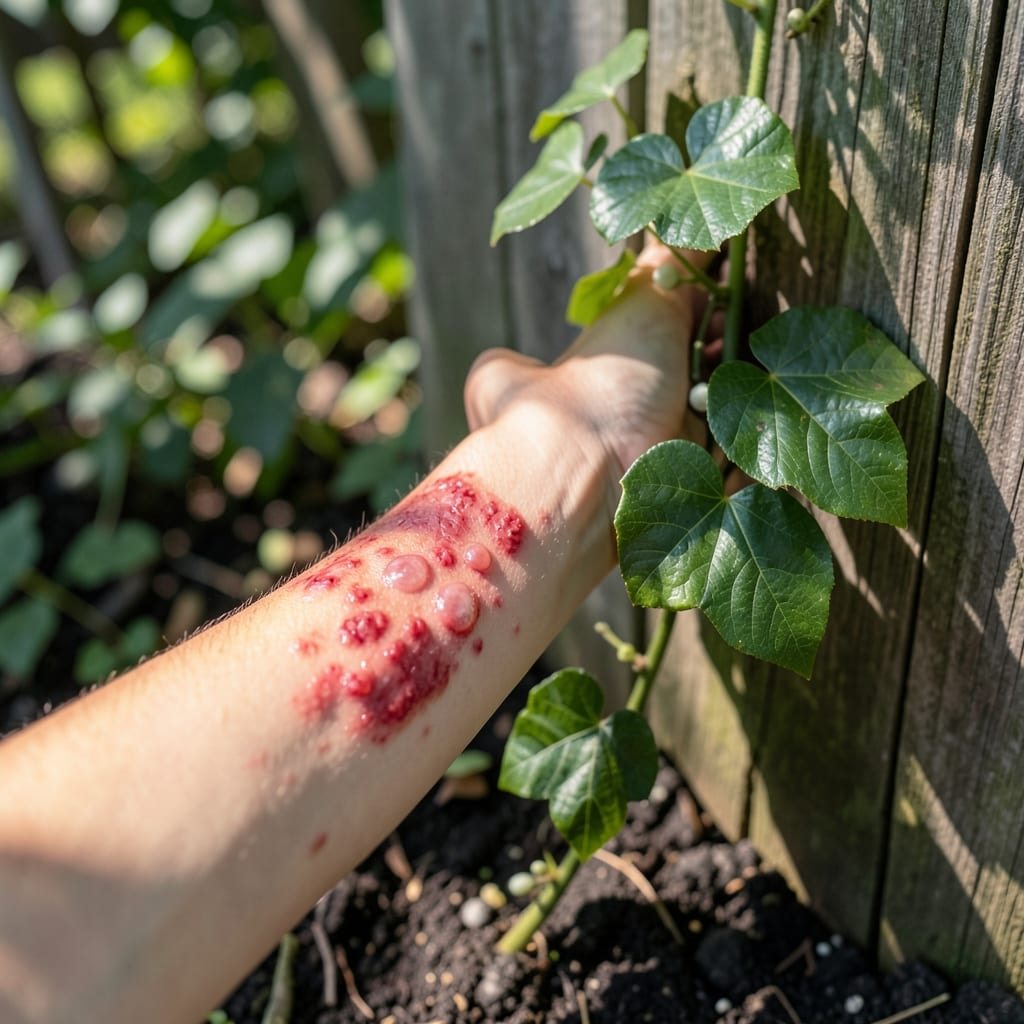
Spotting poison ivy before it spots you saves weeks of itching. I learned this the hard way after weeding through a patch I thought was harmless vine.
The three-leaf clusters with shiny or hairy leaves are your first warning. Even brushing against the plant releases urushiol oil that sticks to skin, tools, and clothing.
First sign of rash? Wash immediately with cool water and soap. The faster you remove the oil, the milder the reaction will be.
Prevention is simpler than treatment: long sleeves, gloves, and learning to recognize the plant in all seasons makes all the difference.
Poison ivy rashes are an allergic reaction caused by urushiol, a naturally occurring oil found in the plant’s leaves, stems, and roots. Here’s why your skin reacts so strongly:
Urushiol binds to skin proteins almost instantly, forming a complex that your immune system recognizes as a threat. Within 12–48 hours, T-cells launch an attack, releasing histamines that cause itching, redness, and blisters. Even indirect contact—like touching contaminated clothing or pet fur—can trigger this response.
About 85% of people are allergic to urushiol. For first-time exposure, the immune system may take 7–10 days to sensitize, but subsequent contacts can produce a rash within hours. Severity varies based on skin sensitivity and urushiol concentration.
The rash appears in stages because urushiol’s penetration depth varies. Areas with thinner skin (e.g., eyelids, wrists) react faster. Scratching spreads the oil, worsening the rash—not the fluid from blisters, which is urushiol-free.
Actionable tip: Wash exposed skin with soap and cool water within 10–30 minutes to remove urushiol and reduce severity.
Dealing with a poison ivy rash can be uncomfortable, but these practical steps will help you find relief and speed up healing. Address the issue based on the cause, and follow these targeted fixes.
If you’ve touched poison ivy, act fast to remove the plant’s oils (urushiol) from your skin:
Once the rash appears, focus on soothing symptoms and preventing infection:
Stop the rash before it starts with these habits:
If the rash covers a large area, affects your face or genitals, or shows signs of infection (pus, fever), see a doctor for prescription treatments like oral steroids.
Most rashes resolve in 1-3 weeks without treatment. Mild cases may clear in 7-10 days, while severe blistering can persist longer. Scratching or re-exposure to urushiol oil can extend healing time.
No, the rash itself isn’t contagious. However, urushiol oil on skin, clothing, or pets can transfer to others. Wash contaminated items thoroughly to prevent indirect exposure.
Seek medical help if the rash covers a large area, affects your face/genitals, or shows infection signs like pus or fever. Oral steroids may be needed for widespread reactions.