
Beautiful Plants For Your Interior
Beautiful Plants For Your Interior
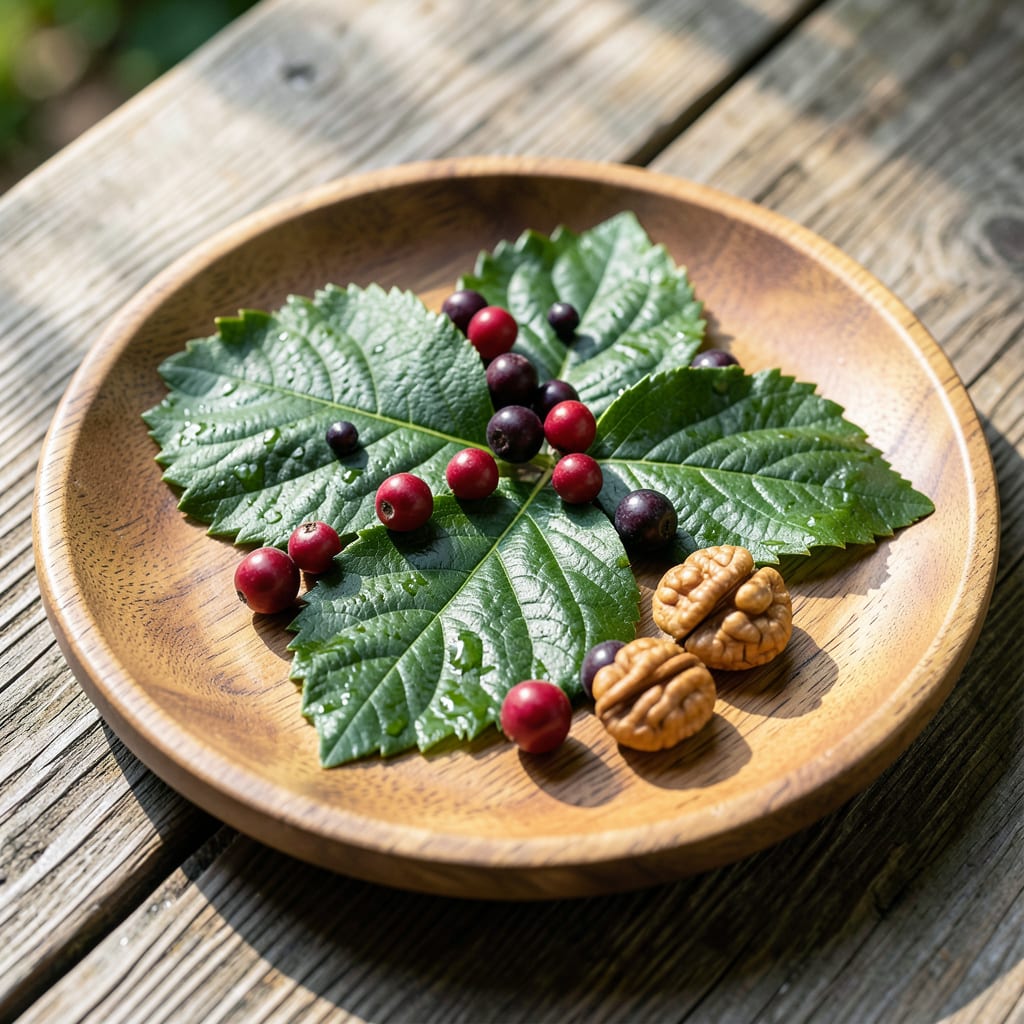
Three leaves don’t always mean trouble. I’ve spent years teaching people how to spot the difference between poison ivy and harmless lookalikes in their own backyards.
The key is in the details: smooth edges versus toothed, shiny versus matte, and how the leaves cluster. Most three-leaf plants are completely safe—boxelder, Virginia creeper, and even some wild strawberries.
What you’re looking for is the middle leaf’s longer stem and the telltale oil-shine on poison ivy. Get this right and you’ll avoid unnecessary panic every time you see a trio of leaves.
Works for hikers, gardeners, or anyone who just wants to enjoy the outdoors without the itch. Here’s how to tell them apart for good.
Misidentifying harmless three-leaf plants as poison ivy is common, and it happens for a few key reasons. Here’s the science behind the confusion:
Poison ivy (Toxicodendron radicans) has a compound leaf structure with three leaflets, a trait shared by many non-toxic plants. Species like boxelder (Acer negundo) or Virginia creeper (Parthenocissus quinquefolia) also grow in sets of three. This trifoliate pattern triggers false alarms because our brains associate “three leaves” with poison ivy’s infamous reputation. The similarity is purely evolutionary—nature often repeats efficient growth patterns across unrelated species.
Poison ivy thrives in wooded areas, fences, and disturbed soils, but so do its look-alikes. For example, wild strawberry (Fragaria virginiana) and mock strawberry (Duchesnea indica) grow in the same sunny clearings or forest edges. This habitat overlap forces us to rely on subtle differences—like leaf edges (serrated vs. smooth) or vine texture (hairy vs. glossy)—to distinguish them safely.
In spring, many plants sprout quickly, and their juvenile leaves can look remarkably alike. Young poison ivy leaves are often shiny and reddish, but so are the new growth of raspberry or blackberry bushes. Without mature features like berries or bark texture, even experienced foragers can hesitate. Pro tip: Check for poison ivy’s signature alternate leaf arrangement (not opposite) and the middle leaflet’s longer stem.
When you spot a plant with three leaves, don’t panic—it’s not always poison ivy. Use these simple steps to tell the difference and stay safe. 🌿
Problem: Poison ivy often has jagged or toothed edges, while harmless look-alikes (like boxelder or Virginia creeper) may have smooth or lobed edges.
Fix: Examine the leaf margins closely. If the edges are smooth or uniformly wavy, it’s likely not poison ivy. For extra certainty, compare it to verified images of poison ivy’s serrated edges.
Prevention tip: 💡 Always use a field guide or app for side-by-side comparisons before touching.
Problem: Poison ivy grows as a vine (hairy, rope-like stems) or a low shrub, often climbing trees or fences. Similar plants may grow upright as bushes or small trees.
Fix: Observe how the plant is growing. If it’s a ground cover or a standalone bush, it’s probably safe. Poison ivy’s vines are a dead giveaway—avoid anything clinging to vertical surfaces.
Prevention tip: ✨ Wear long sleeves and gloves when clearing brush in wooded areas.
Problem: Poison ivy’s “leaves of three” are three leaflets on one stem. Some plants (like raspberry or blackberry) have groups of three separate leaves growing from a single point.
Fix: Check the base of the leaves. If the three leaves meet at a single node (like a trident), it’s not poison ivy. Poison ivy’s leaflets attach to a small stem that connects to the main vine.
Prevention tip: 🎯 Teach kids the rhyme: “Leaves of three, let it be—unless it’s on a raspberry!”
When in doubt, don’t touch. Snap a photo from a safe distance and use a plant identification app to confirm. Stay curious, but stay cautious! 🛡️
Boxelder, Virginia creeper, and wild strawberry often have three leaves but are safe. Boxelder has jagged edges, Virginia creeper has five leaflets, and strawberries have serrated edges with white flowers.
Check for smooth leaf edges, alternating leaf patterns, or hairy stems. Poison ivy has shiny, toothed leaves with a longer middle stem. When unsure, avoid contact.
Not always. If you’re uncertain, use gloves or a stick to move leaves aside. The safest approach is to verify with a plant guide or app before touching.
