
Beautiful Plants For Your Interior
Beautiful Plants For Your Interior
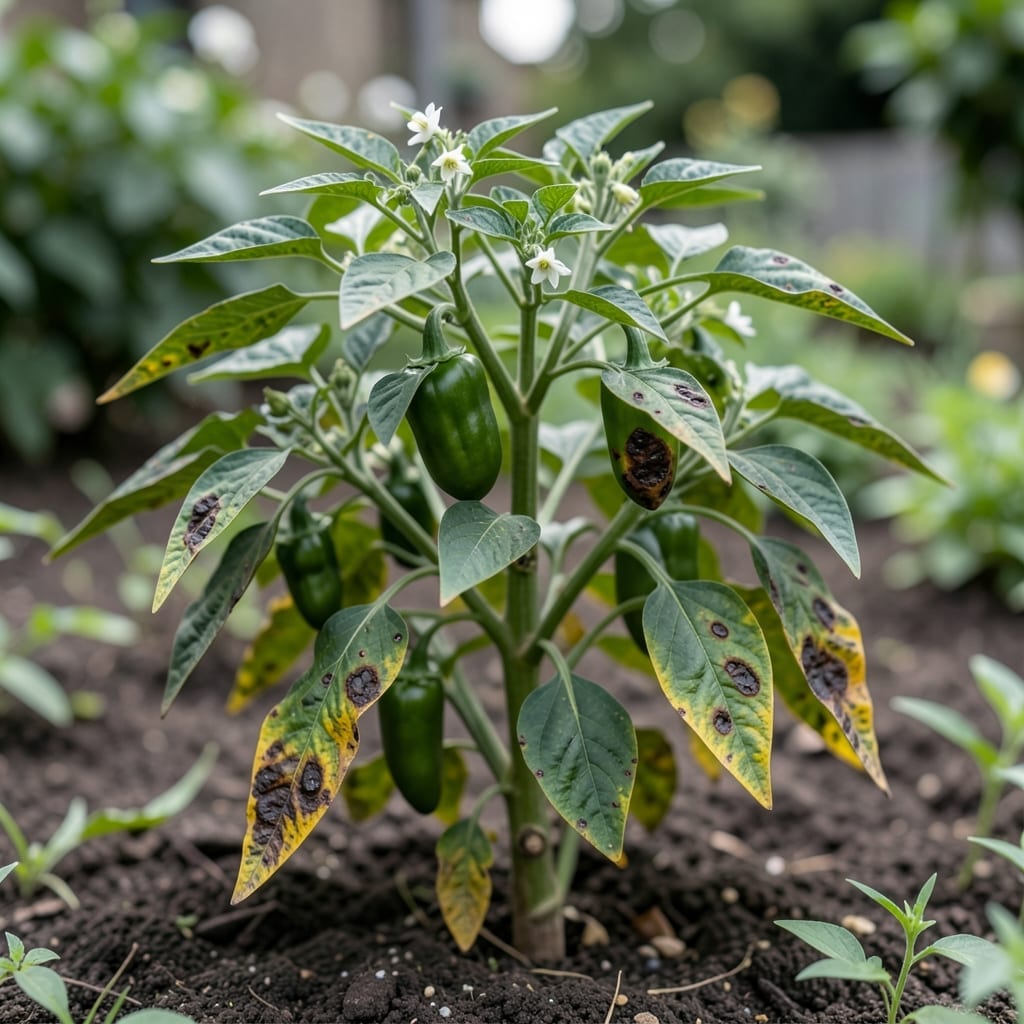
Spotted dark lesions on your peppers mean trouble. Anthracnose hits fast, turning healthy fruit into sunken, rotting messes overnight.
I first noticed it on my jalapeños—perfect-looking peppers one day, black spots the next. The fungus thrives in wet conditions, spreading through splashing water and contaminated tools. Early detection is your only advantage here.
You can fight back with organic sprays and strict garden hygiene. Remove infected fruit immediately, avoid overhead watering, and rotate crops next season. These steps stop the cycle before it starts.
Left unchecked, it ruins entire harvests. But with vigilance, you’ll save most of your crop—and next year will be even stronger.
Anthracnose in peppers is primarily driven by the fungal pathogen Colletotrichum spp., but its development depends on a combination of environmental and cultural factors. Below are the key causes behind this destructive disease.
Fungal spores thrive in wet, humid conditions. Overhead irrigation, prolonged rain, or poor soil drainage create the perfect breeding ground for Colletotrichum. Water-saturated foliage and fruit surfaces allow spores to germinate and infect plant tissues. Actionable fix: Use drip irrigation to keep foliage dry and ensure beds have proper drainage.
Anthracnose flourishes in temperatures between 75–85°F (24–29°C) with high humidity (>90%). These conditions accelerate spore production and dispersal. In regions with warm, wet summers, peppers are especially vulnerable. Actionable fix: Space plants for airflow and use mulch to reduce soil splash, which spreads spores.
The fungus overwinters in decomposing pepper stems, leaves, and fruit left in the field. come spring, spores from this debris infect new plants. Actionable fix: Remove and destroy all plant residue after harvest, and rotate crops to break the disease cycle.
Colletotrichum can hitchhike on pruning shears, stakes, or even infected seeds. Using unclean tools spreads the pathogen from plant to plant. Actionable fix: Sterilize tools with a 10% bleach solution between uses, and source certified disease-free seeds.
Tackling anthracnose in your pepper plants starts with quick action and consistent care. Below are targeted solutions for each common cause, along with prevention tips to keep your garden thriving. 🌱✨
If you spot sunken, dark lesions on peppers or leaves, prune infected parts immediately using sterilized shears. Dispose of the debris in sealed bags—not compost—to prevent spread. Apply a copper-based fungicide or a DIY mix of 1 tsp baking soda + 1 quart water + a drop of dish soap every 7–10 days until symptoms fade.
Prevention: Space plants 18–24 inches apart for airflow. Water at the base (avoid wetting leaves) and use drip irrigation. 💡 Pro tip: Mulch with straw to reduce soil splash, which spreads spores.
Anthracnose thrives in wet conditions. Switch to morning watering so foliage dries by evening. If your soil retains too much moisture, amend with compost or perlite to boost drainage. Raise beds or use containers if your garden floods easily.
Prevention: Avoid overhead watering. Use a moisture meter to keep soil damp but not soggy.
Fungal spores linger on tools, stakes, and even pots. Clean pruners with rubbing alcohol between cuts, and soak used tools in a 10% bleach solution for 10 minutes. Rotate crops—don’t plant peppers in the same spot for at least 2 years if anthracnose was present.
Prevention: Solarize soil before planting by covering it with clear plastic for 4–6 weeks to kill spores. ✨ Bonus: Use resistant pepper varieties like ‘Carmen’ or ‘Aristotle’.
Overcrowded plants trap humidity, inviting fungi. Prune inner leaves to open the canopy, and stake or cage plants to keep foliage off the ground. Remove weeds that block airflow around the base.
Prevention: Plant in a sunny spot with at least 6–8 hours of light daily. Thin seedlings early to avoid competition.
Watch for small, sunken, dark spots on peppers that grow into circular lesions. Leaves may develop yellow halos around brown spots.
Yes, but cut away all affected areas with 1-inch margins. Wash your knife between cuts to prevent cross-contamination.
Yes, anthracnose affects tomatoes and other nightshades. Isolate infected plants and avoid touching healthy ones after handling affected peppers.
The fungus can persist in soil for 1-2 years. Crop rotation and solarization are key to breaking this cycle.