
Beautiful Plants For Your Interior
Beautiful Plants For Your Interior
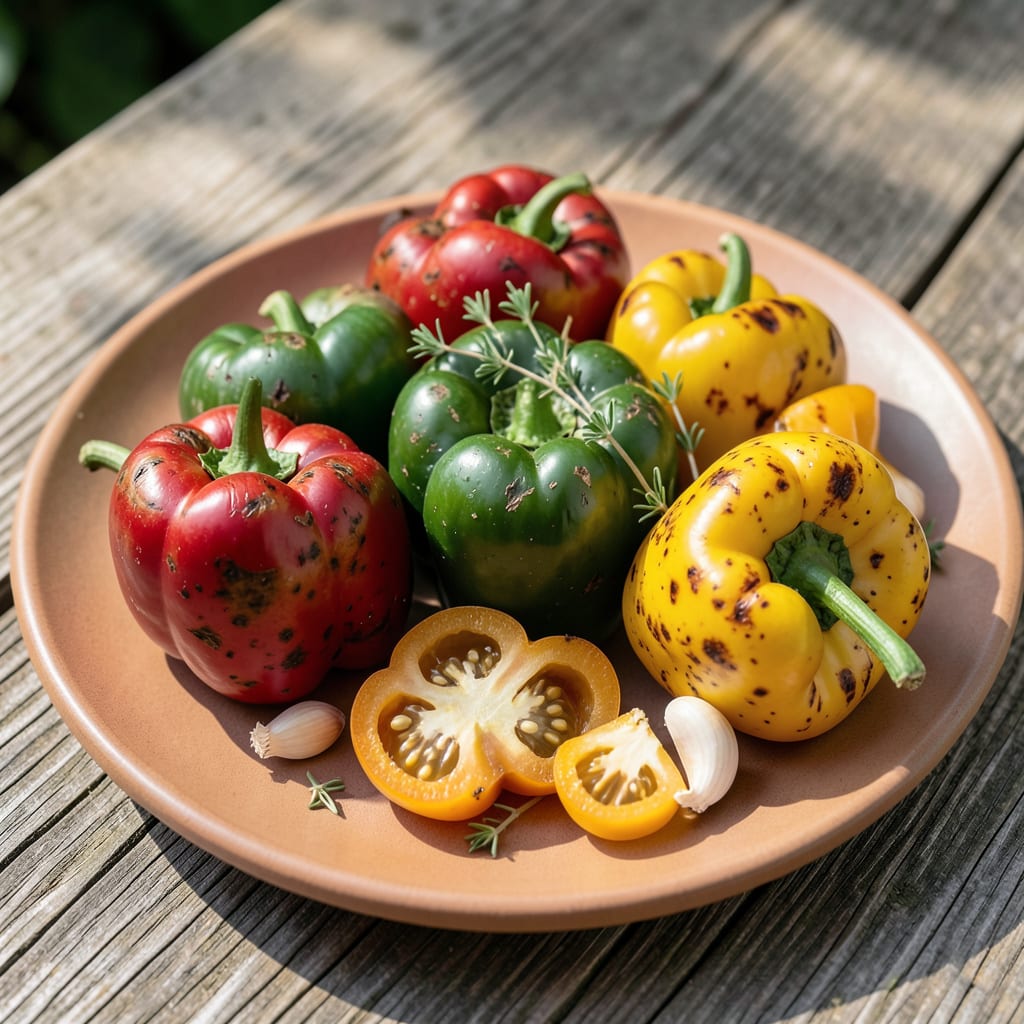
Brown spots on your pepper plants are a red flag, not a death sentence. I’ve saved countless plants by catching these early—most issues are fixable with quick action.
The culprits usually fall into three categories: fungal infections, pest damage, or environmental stress. Each leaves a distinct pattern, and knowing the difference means the right treatment instead of guesswork.
With 24-48 hours of targeted care, you can stop the spread and nurse your plants back to healthy condition. The key is matching symptoms to solutions, not throwing everything at the problem.
No fancy tools required—just sharp eyes and a willingness to act fast.
Brown spots on peppers can stem from several underlying issues, each with distinct triggers. Understanding these causes helps you address the problem effectively and prevent future occurrences.
Fungi like Alternaria or Phytophthora thrive in warm, humid conditions, leading to dark, water-soaked spots on leaves and fruit. These pathogens spread via spores in water or soil, often entering through wounds or stressed tissue. Overhead watering and poor air circulation exacerbate the issue. Action: Improve drainage, space plants properly, and apply copper-based fungicides preventatively.
Sap-sucking pests such as aphids, spider mites, or whiteflies pierce plant cells, causing localized tissue death that manifests as brown or yellowish spots. Their feeding also introduces secondary infections. Action: Inspect undersides of leaves for pests and treat with insecticidal soap or neem oil at first signs.
Extreme heat, cold snaps, or inconsistent watering can trigger physiological stress in peppers. Blossom end rot—a calcium deficiency worsened by moisture fluctuations—often appears as sunken, brown lesions at the fruit’s base. Action: Maintain even soil moisture, mulch to stabilize temperature, and ensure adequate calcium via balanced fertilization.
Lack of essential nutrients like magnesium or potassium can cause interveinal browning or spotting on leaves. Magnesium deficiency, for instance, leads to yellowing between veins, progressing to necrotic spots. Action: Test soil and amend with Epsom salts (for magnesium) or potash (for potassium) as needed.
Overuse of herbicides, improper pesticide application, or even rough handling can burn plant tissues, creating brown, crispy spots. Drift from nearby lawn treatments is a common culprit. Action: Apply chemicals according to label instructions, shield plants during spraying, and avoid mechanical damage during harvest.
Addressing brown spots on peppers starts with identifying the cause and applying the right fix. Below are practical solutions tailored to common problems, along with prevention tips to keep your plants thriving.
Remove affected leaves or fruit immediately to prevent the spread of fungi like Alternaria or Phytophthora. Apply a copper-based fungicide or neem oil spray, following label instructions. Prevention: Space plants 18–24 inches apart for better airflow, water at the base (not overhead), and avoid wet foliage. Use mulch to reduce soil splash.
Inspect plants for aphids, spider mites, or stink bugs. blast them off with a strong stream of water or apply insecticidal soap. For severe infestations, use pyrethrin-based sprays. Prevention: Introduce beneficial insects like ladybugs or lacewings. Regularly check the undersides of leaves for early signs of pests.
Inconsistent watering can cause blossom end rot (dark, sunken spots). Maintain even soil moisture—water deeply 1–2 times per week, depending on heat. Use drip irrigation or soaker hoses to deliver water directly to roots. Prevention: Add 2–3 inches of organic mulch to retain moisture and prevent soil fluctuations.
Sun scald (light brown, papery spots) occurs when fruits are exposed to intense sunlight. Provide shade cloth (30–40%) during peak afternoon hours. For heat stress, ensure plants are in well-draining soil and water during cooler parts of the day. Prevention: Plant peppers in a location with dappled sunlight or use row covers in extreme heat.
Yellowing leaves with brown spots may signal a calcium or magnesium deficiency. Work crushed eggshells or gypsum into the soil for calcium, or apply Epsom salt (1 tablespoon per gallon of water) for magnesium. Prevention: Test soil annually and enrich with compost or balanced fertilizer (10-10-10) before planting.
💡 Pro Tip: Rotate crops yearly to prevent disease buildup and replenish nutrients naturally.
Yes, overwatering creates perfect conditions for fungal growth. Soggy soil and wet leaves encourage Alternaria or Phytophthora fungi to develop, leading to dark, water-soaked spots on leaves and fruit.
Remove them immediately to prevent the spread. Pruning infected foliage improves air circulation and stops pathogens from spreading to healthy parts of the plant.
Fungal spores can spread via wind, water, or tools. Isolate affected plants and sanitize gardening tools after use to protect neighboring vegetation.
Only if the spots are superficial and caused by environmental stress. Discard any peppers with soft, sunken, or moldy spots—these indicate fungal or bacterial infection.
