
Beautiful Plants For Your Interior
Beautiful Plants For Your Interior
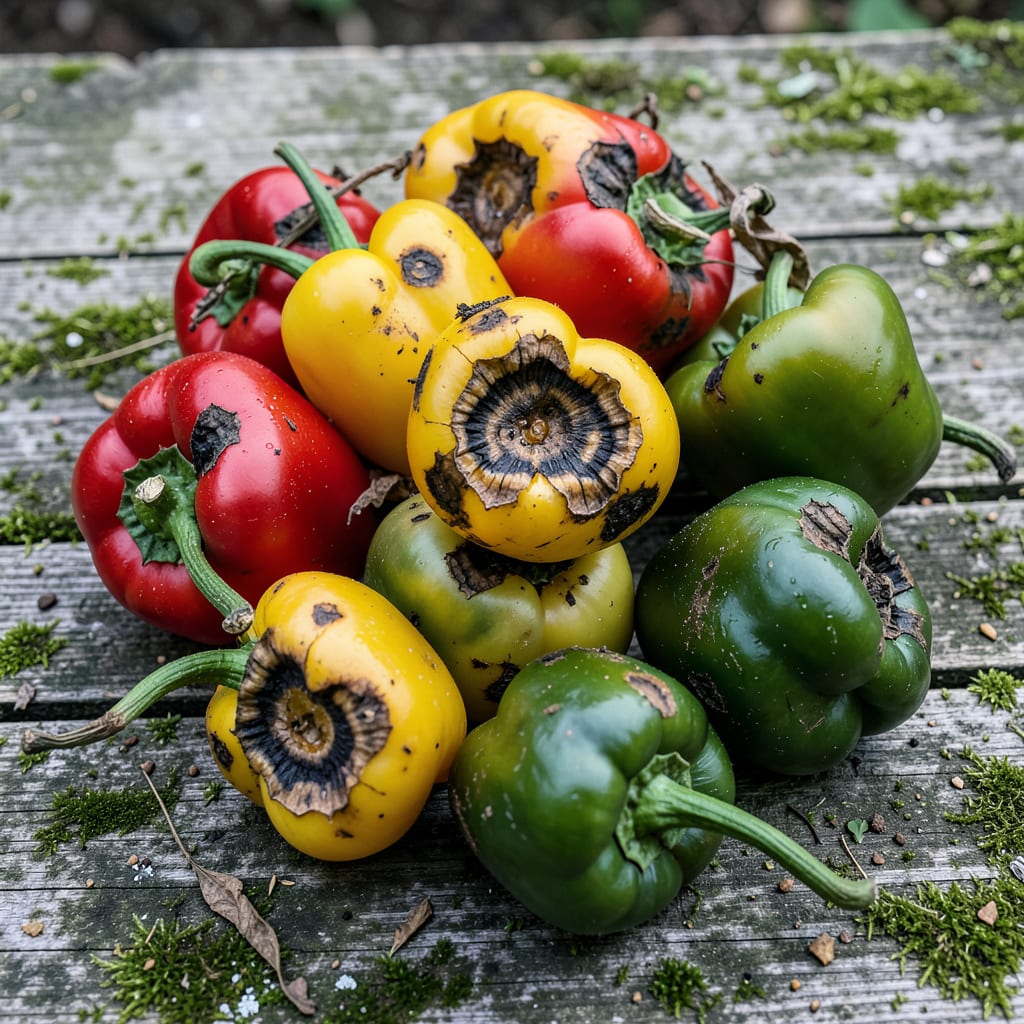
Nothing ruins a pepper harvest faster than watching perfect fruits turn to sunken, rotting messes overnight. I spotted my first anthracnose spots last July—small, water-soaked circles that spread into dark, concentric rings.
This fungal disease thrives in wet, warm conditions, attacking peppers just as they start to ripen. The worst part? It spreads silently, often going unnoticed until it’s too late for half your crop.
Early detection is your best defense. I now check plants daily after rain, looking for those telltale sunken spots on fruits and leaves. Catching it early means saving most of your harvest.
With the right approach, you can stop the spread and protect next season’s plants. The solution starts with understanding what you’re seeing and why it’s happening.
Anthracnose fruit rot in pepper plants is primarily driven by Colletotrichum spp. fungi, but several environmental and cultural factors create the perfect storm for infection. Here’s why it happens:
Wet conditions are the #1 catalyst. Prolonged leaf wetness (from rain, overhead irrigation, or high humidity) allows fungal spores to germinate and penetrate fruit tissue. Poorly drained soil or crowded plantings trap moisture, accelerating spore spread. Action: Water at the base of plants and space them for airflow.
Colletotrichum thrives in temperatures between 75–85°F (24–29°C) with high humidity (>90%). These conditions soften pepper fruit skins, making them vulnerable to infection. Action: Use shade cloth in peak heat and avoid planting in low-lying, humid areas.
The fungus overwinters in contaminated seeds, soil, or leftover crop debris. Planting untreated seeds or failing to rotate crops introduces the pathogen. Action: Source certified disease-free seeds and remove all plant debris after harvest.
Over-fertilization (especially with nitrogen) promotes lush, soft growth that’s more susceptible to fungal entry. Potassium and calcium deficiencies weaken cell walls, reducing natural resistance. Action: Test soil and balance fertility with potassium-rich amendments.
Wounds from pests (e.g., pepper maggots) or rough handling create entry points for spores. Even minor abrasions from wind or tools can invite infection. Action: Control pests and handle plants carefully to minimize injuries.
Tackling anthracnose fruit rot in pepper plants starts with identifying the root causes and applying targeted solutions. Here’s how to address each issue effectively:
Fungal spores thrive in moist conditions. Replace overhead watering with drip irrigation or soaker hoses to keep foliage and fruit dry. Water early in the morning so plants dry quickly in the sun. Prevention tip: 💡 Space plants properly for airflow, reducing humidity buildup.
Anthracnose survives in decaying plant matter. Prune and discard any infected leaves, fruit, or stems immediately—do not compost them. Sanitize pruning tools with rubbing alcohol between cuts. Prevention tip: ✨ Clean up fallen debris around plants regularly to limit spore spread.
Crowded plants trap moisture, creating a fungal paradise. Thin out dense foliage to improve airflow. Stake or cage pepper plants to keep fruit off the soil, where spores often linger. Prevention tip: 🎯 Rotate crops yearly to break the disease cycle.
For active infections, use copper-based fungicides or biological options like Bacillus subtilis. Apply at the first sign of spots, repeating every 7–10 days or as directed. Prevention tip: 🌡️ Avoid overhead spraying in rainy weather to maximize effectiveness.
Stressed plants are more vulnerable. Fertilize balancedly (avoid excess nitrogen) and ensure consistent watering. Mulch with straw to prevent soil splashing onto fruit. Prevention tip: 💪 Choose anthracnose-resistant pepper varieties for future plantings.
Consistency is key—combine these fixes with vigilant monitoring to keep your pepper plants healthy and productive.
Check for small, water-soaked spots on fruits that turn into sunken, dark circles with concentric rings. Leaves may develop similar spots. Catch these early to prevent spread.
Yes, anthracnose can infect tomatoes, cucumbers, and beans. Remove infected plant parts immediately and avoid touching healthy plants with contaminated tools.
Harvest and use infected fruits right away if spots are small. Discard any with advanced rot to prevent further contamination of healthy plants.
