
Beautiful Plants For Your Interior
Beautiful Plants For Your Interior
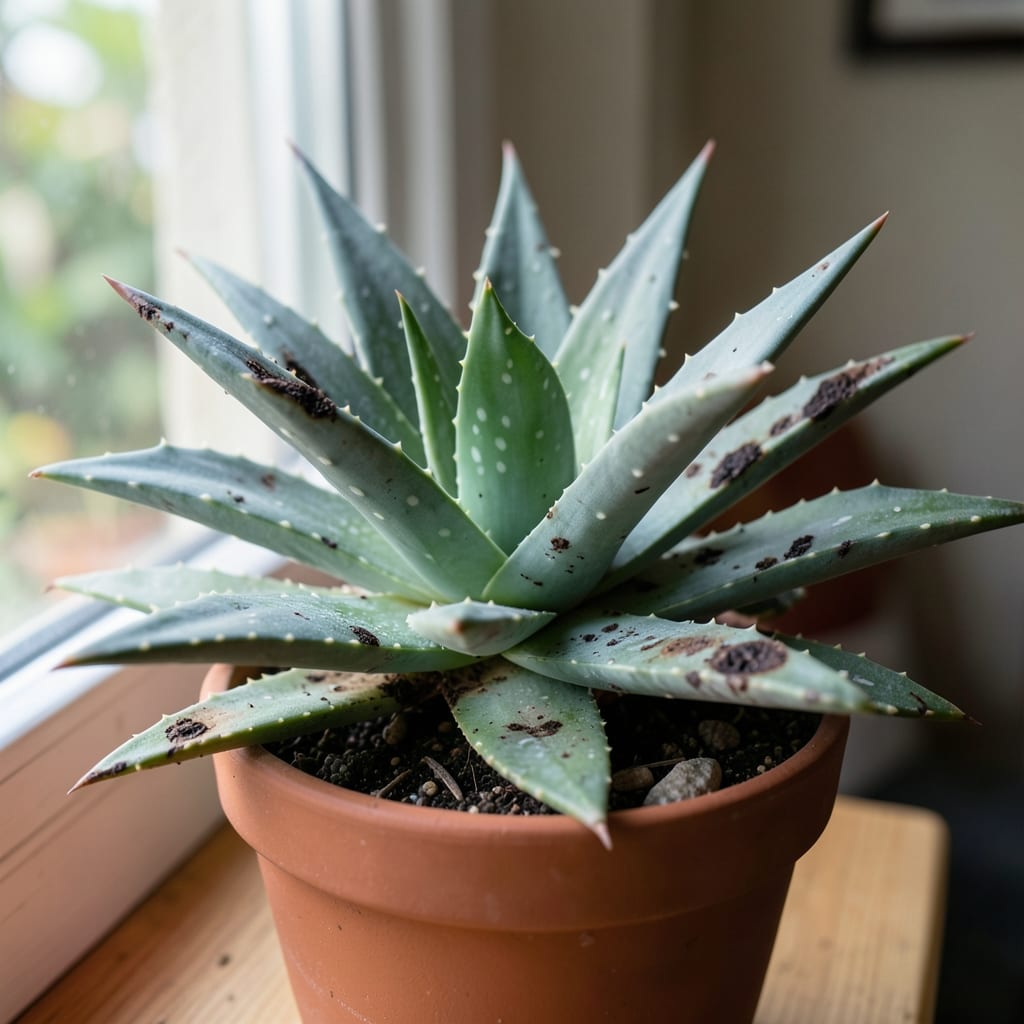
That black spot on your aloe isn’t sunburn—it’s probably fungus. I’ve saved dozens of aloe plants from the same issue, and the fix is simpler than you think.
Most cases come from overwatering or poor drainage, but humidity and crowded pots play their part too. The good news? You likely have the remedies in your kitchen right now.
Within 2-3 weeks of treatment, new growth appears and the plant starts bouncing back. The key is catching it early before it spreads to the roots.
Works for all aloe varieties, from tiny desk plants to mature specimens. Here’s exactly how to nurse yours back to health.
Understanding why aloe vera develops fungal issues is key to prevention. Below are the most common causes, explained with actionable insights.
Excess moisture is the #1 culprit. Aloe vera thrives in dry conditions, and soggy soil creates a breeding ground for fungi like Phytophthora and Pythium. Roots suffocate, weaken, and become susceptible to infection. Fix: Water only when the top 1-2 inches of soil are bone-dry.
Even with moderate watering, aloe vera in compacted or clay-heavy soil retains water. Fungi flourish in stagnant, airless environments. Fix: Use a well-draining mix (e.g., cactus/succulent soil + perlite) and pots with drainage holes.
Tropical fungi love humid air (60%+ RH). Aloe vera prefers arid climates, so prolonged dampness invites spores to settle on leaves. Fix: Improve airflow with a fan or move plants to drier areas.
Cuts, bruises, or insect damage expose plant tissue to fungal spores. Botrytis (gray mold) often targets injured leaves. Fix: Sterilize tools, avoid rough handling, and remove damaged foliage promptly.
Reusing dirty pots, tools, or unsterilized potting mix can introduce fungal pathogens. Fix: Disinfect tools with rubbing alcohol and use fresh, pathogen-free soil.
Pro tip: If your aloe shows black spots or mushy stems, act fast—fungi spread quickly in stressed plants!
Dealing with fungal problems in your aloe vera doesn’t have to be complicated. Here’s how to tackle the most common causes and restore your plant’s health.
If soggy soil is the culprit, stop watering immediately and let the soil dry out completely. Repot the aloe in fresh, well-draining cactus mix and a pot with drainage holes. Water only when the top 2 inches of soil are dry. Prevention tip: 💡 Use a moisture meter to avoid guesswork.
Swap out dense or water-retentive soil for a gritty, sandy mix designed for succulents. Ensure your pot has drainage holes to prevent water from pooling. Elevate the pot on a tray with pebbles to encourage airflow underneath. Prevention tip: 🎯 Terracotta pots are ideal—they wick away excess moisture.
For visible mold or rot, remove affected leaves with sterilized scissors. Treat the plant with a neem oil solution (1 tbsp neem oil + 1 tsp dish soap + 1 quart water) or a baking soda spray (1 tsp baking soda + 1 quart water + a few drops of soap). Spray weekly until the fungus clears. Prevention tip: ✨ Increase airflow around the plant to discourage fungal growth.
Move your aloe to a bright, sunny spot (6+ hours of indirect light daily). If humidity is high, use a small fan to improve air circulation or place the plant in a less damp area. Prevention tip: 🌡️ Grouping plants too closely can trap moisture—space them out.
With these steps, your aloe vera can bounce back and thrive!
Look for black spots, soft mushy areas, or white powdery patches on leaves. Early signs include yellowing or wilting despite proper watering.
Yes! A baking soda spray or neem oil solution works well for mild cases. Mix 1 tsp baking soda with water and a few drops of soap.
Only when the top 1-2 inches of soil are completely dry. Most aloe plants need water just every 3-4 weeks in ideal conditions.
Yes, fungal spores can travel through air or shared tools. Isolate infected plants and sterilize tools with rubbing alcohol after use.