
Beautiful Plants For Your Interior
Beautiful Plants For Your Interior
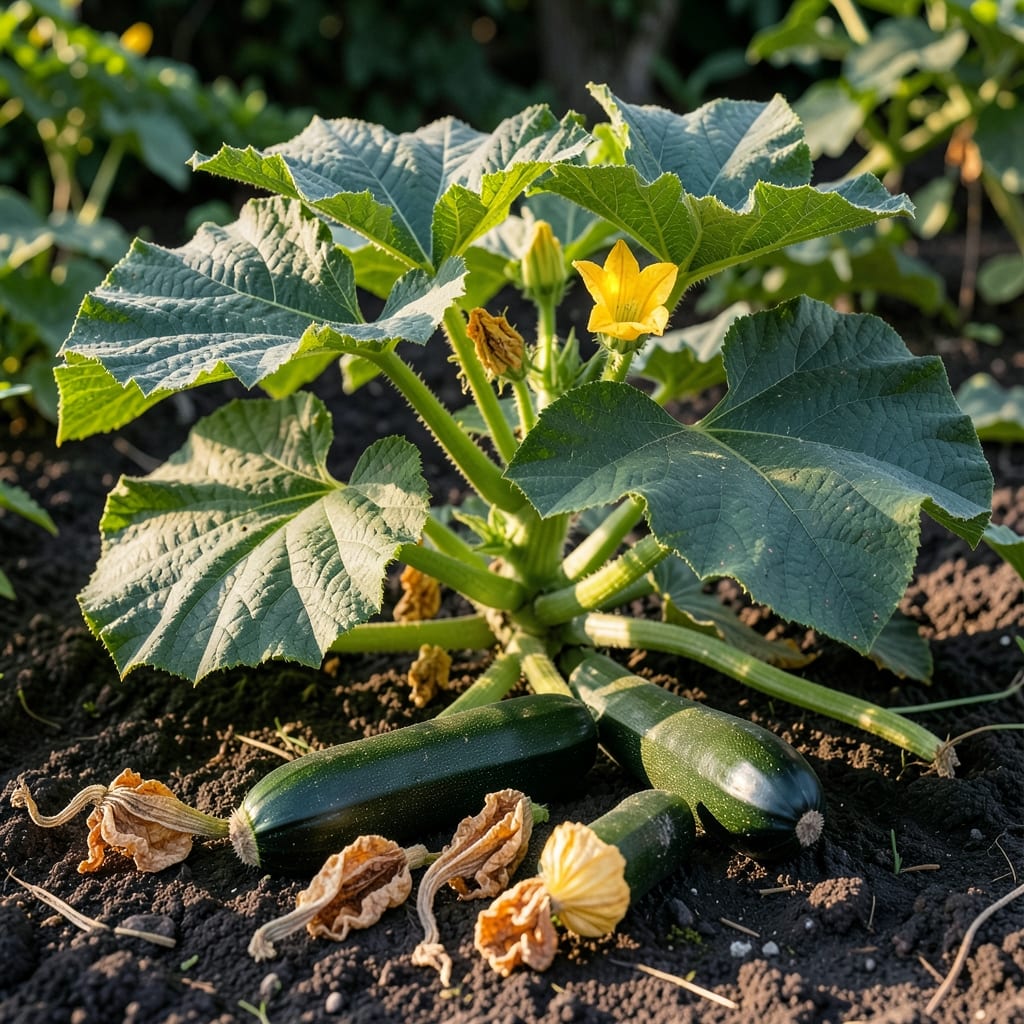
There’s nothing worse than watching your zucchini plants thrive, then suddenly their flowers turn to mush. I lost an entire crop to this last summer before figuring out the cause.
Flower rot usually hits when conditions are too wet or humidity spikes. The blossoms brown, wither, and drop before they can even set fruit. It’s frustrating, but completely preventable with the right approach.
You’ll keep your plants healthy by improving airflow, watering at the base, and removing affected blooms immediately. A little morning sunlight helps dry excess moisture fast.
With these simple adjustments, your zucchini will go from rot to robust in no time. No chemicals needed—just smart gardening.
Zucchini flower rot is a frustrating issue that can derail your harvest. Understanding the root causes helps you prevent it effectively. Below are the primary reasons this problem occurs, along with the science behind each.
Overwatering or poorly drained soil creates a breeding ground for fungal and bacterial pathogens like Botrytis cinerea (gray mold) and Erwinia spp. These organisms thrive in wet conditions, attacking delicate flower tissues. Zucchini flowers are especially vulnerable because their thin petals retain moisture, accelerating rot.
Stagnant air and humidity levels above 80% promote fungal spores’ growth and spread. Dense plant canopies or crowded garden beds restrict airflow, trapping moisture around flowers. This environment is ideal for pathogens to infect and decompose floral structures.
Deficiencies in calcium or potassium weaken plant cell walls, making flowers more susceptible to rot. Calcium, in particular, is critical for structural integrity. Without it, tissues soften and become prone to infection. Over-fertilization with nitrogen can also lead to lush foliage at the expense of flower health.
Insects like aphids, squash bugs, or cucumber beetles can create wounds on flowers, providing entry points for rot-causing pathogens. Even minor damage disrupts the flower’s natural defenses, allowing bacteria and fungi to invade and spread rapidly.
Using unclean pruning tools or planting in soil harboring fungal spores (e.g., from previous infected crops) can introduce pathogens directly to your zucchini plants. These organisms can lie dormant in the soil until conditions favor their activation.
Dealing with zucchini flower rot can be frustrating, but these practical solutions will help you save your plants and prevent future issues. Address the root cause with these targeted fixes.
Trim dense foliage to allow better airflow around the plants. Space zucchini plants at least 2-3 feet apart to reduce humidity buildup. Prune lower leaves if they touch the soil, as this can trap moisture and encourage rot.
Prevention tip: 💡 Plant in raised beds or use trellises to keep foliage off the ground.
Water only at the base of the plant, avoiding the flowers and leaves. Use a drip irrigation system or soaker hose to deliver moisture directly to the roots. Water in the early morning so excess moisture evaporates during the day.
Prevention tip: 🌡️ Check soil moisture with your finger—water only when the top inch feels dry.
Spray affected plants with a baking soda solution (1 tbsp baking soda + 1 tsp dish soap + 1 gallon of water) to combat fungal growth. Remove and dispose of any rotted flowers immediately to prevent spreading. For severe cases, use a copper-based fungicide.
Prevention tip: ✨ Rotate crops yearly and avoid planting zucchini in the same spot repeatedly.
Inspect plants regularly for pests like aphids or squash bugs, which can weaken flowers and invite rot. Spray with neem oil or introduce beneficial insects like ladybugs. Remove pests by hand if the infestation is minor.
Prevention tip: 🎯 Plant companion flowers like marigolds to deter pests naturally.
Test your soil and amend with compost or balanced fertilizer if deficiencies are suspected. Zucchini plants thrive with nitrogen for leaf growth and phosphorus for flowering. Avoid over-fertilizing, which can lead to weak growth.
Prevention tip: 💡 Mulch with organic matter to improve soil structure and nutrient retention.
Look for brown or black spots on petals, wilting, or flowers that drop prematurely. These appear within 24-48 hours of infection and spread quickly in wet conditions.
No, remove rotted blooms immediately to prevent spread. Healthy flowers may still produce fruit if the plant recovers.
Space plants 2-3 feet apart and water in the morning. Rotate crops yearly and use drip irrigation to keep foliage dry.