
Beautiful Plants For Your Interior
Beautiful Plants For Your Interior
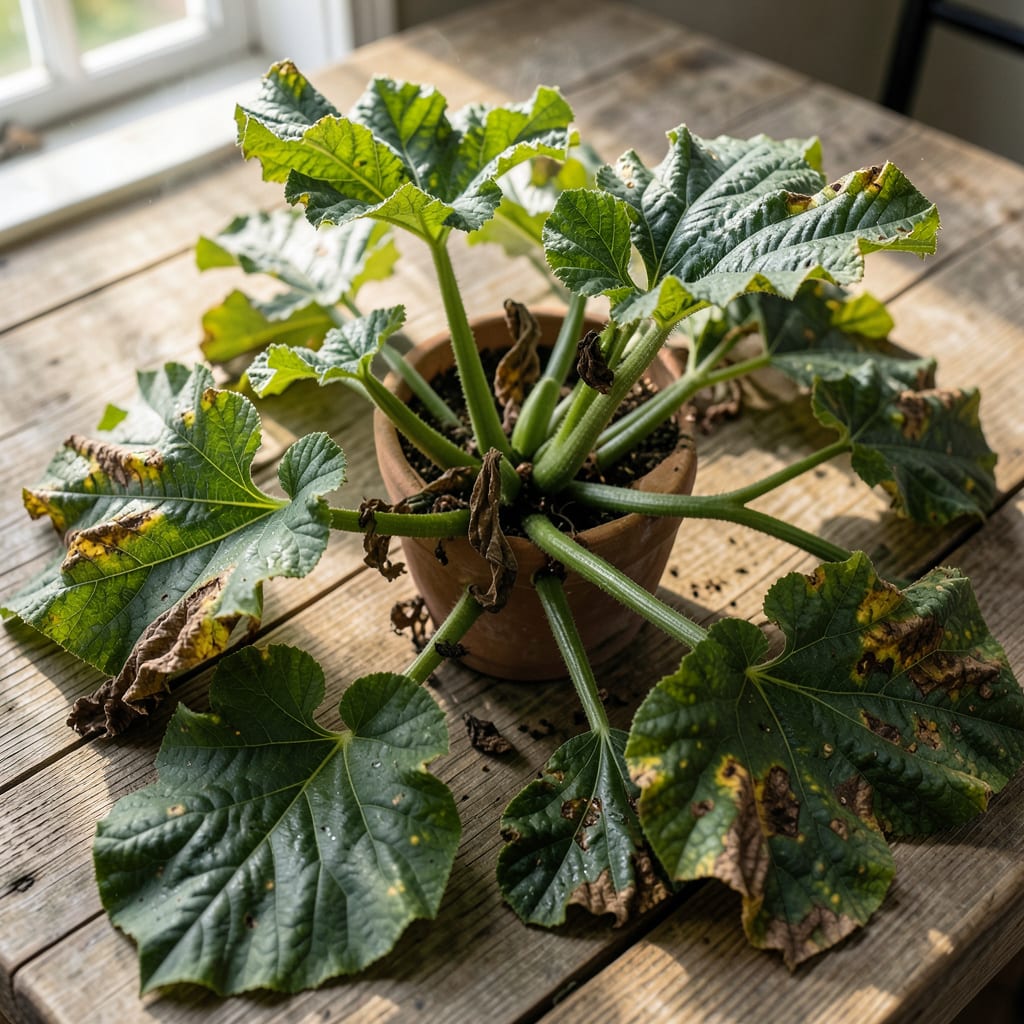
I lost my entire zucchini crop to blight last summer. One week of brown spots, then wilting leaves, then nothing but dead vines where healthy plants had been thriving.
Here’s the thing—blight spreads fast, but catching it early makes all the difference. I now check my plants daily in warm, wet weather, looking for those telltale dark spots on leaves or that sudden yellowing.
Organic solutions actually work if you act quickly. I’ve had success with copper sprays and removing affected leaves immediately. Prevention is even better: space plants properly, water at the base, and rotate crops each year.
Your zucchini can bounce back. Mine did after I learned these simple but crucial steps.
Blight on zucchini plants is a frustrating issue, but understanding its root causes helps you tackle it effectively. Below are the primary culprits behind this common garden problem.
Most blight cases stem from fungal infections, particularly Alternaria and Phytophthora species. These pathogens thrive in warm, wet conditions, spreading via spores in water or wind. Overhead watering and poor air circulation create the perfect environment for fungal growth, leading to dark, water-soaked spots on leaves.
Zucchini plants are prone to blight when exposed to prolonged moisture. Heavy rainfall, improper irrigation, or high humidity can keep foliage wet, encouraging fungal spores to germinate. Wet leaves also make it easier for bacteria like Pseudomonas syringae to infect the plant, causing angular leaf spots and tissue decay.
Blight often spreads through contaminated tools, soil, or plant debris. If infected plant material isn’t removed, pathogens can overwinter in the soil and reinfect new crops. Additionally, crowding plants limits airflow, trapping moisture and accelerating disease spread.
Weakened plants are more susceptible to blight. Stressors like nutrient deficiencies, extreme temperatures, or inconsistent watering compromise the plant’s defenses. For example, a lack of potassium can reduce a zucchini’s ability to resist fungal attacks, making it an easy target.
If your zucchini plants are showing signs of blight, don’t panic—here’s how to tackle each type and stop it from spreading. Act fast, and you can still salvage your harvest! 🌱
Remove infected leaves immediately and dispose of them in the trash (not compost!). Apply a copper-based fungicide or a homemade spray of 1 tsp baking soda + 1 quart water + a few drops of dish soap. Spray every 7–10 days, especially after rain.
Prevention tip: 💡 Space plants 2–3 feet apart for airflow, and water at the base (not the leaves) to keep foliage dry.
Late blight spreads fast—pull up and destroy entire infected plants to protect the rest. Avoid planting zucchini or related crops (like tomatoes or potatoes) in the same spot next year. Rotate crops to break the disease cycle.
Prevention tip: ✨ Use mulch (straw or grass clippings) to prevent soil-borne spores from splashing onto leaves.
Cut off affected leaves with sterilized pruners (dip in rubbing alcohol between cuts). Apply a bacillus subtilis spray (available at garden centers) to outcompete harmful bacteria. Remove plant debris after harvest.
Prevention tip: 🎯 Inspect seedlings before planting, and avoid overhead watering to limit bacterial spread.
For all types, resistant varieties like ‘Defender’ or ‘Black Beauty’ can help. Stay vigilant, and your zucchini will bounce back stronger! 🌿
Early blight appears as brown spots with concentric rings on older leaves, while late blight causes large, greasy-looking patches that spread rapidly. Late blight also affects fruit and stems more aggressively.
Yes, but only if done early and thoroughly. Use sterilized pruners and dispose of leaves in the trash, not compost. Combine with fungicide sprays for best results.
If over 50% of the plant is affected, it’s best to remove it entirely to protect nearby plants. Focus on prevention for next season with crop rotation.
Yes! Try ‘Defender’ or ‘Black Beauty’—these varieties show better resistance. Always pair with good garden hygiene for maximum protection.
