
Beautiful Plants For Your Interior
Beautiful Plants For Your Interior
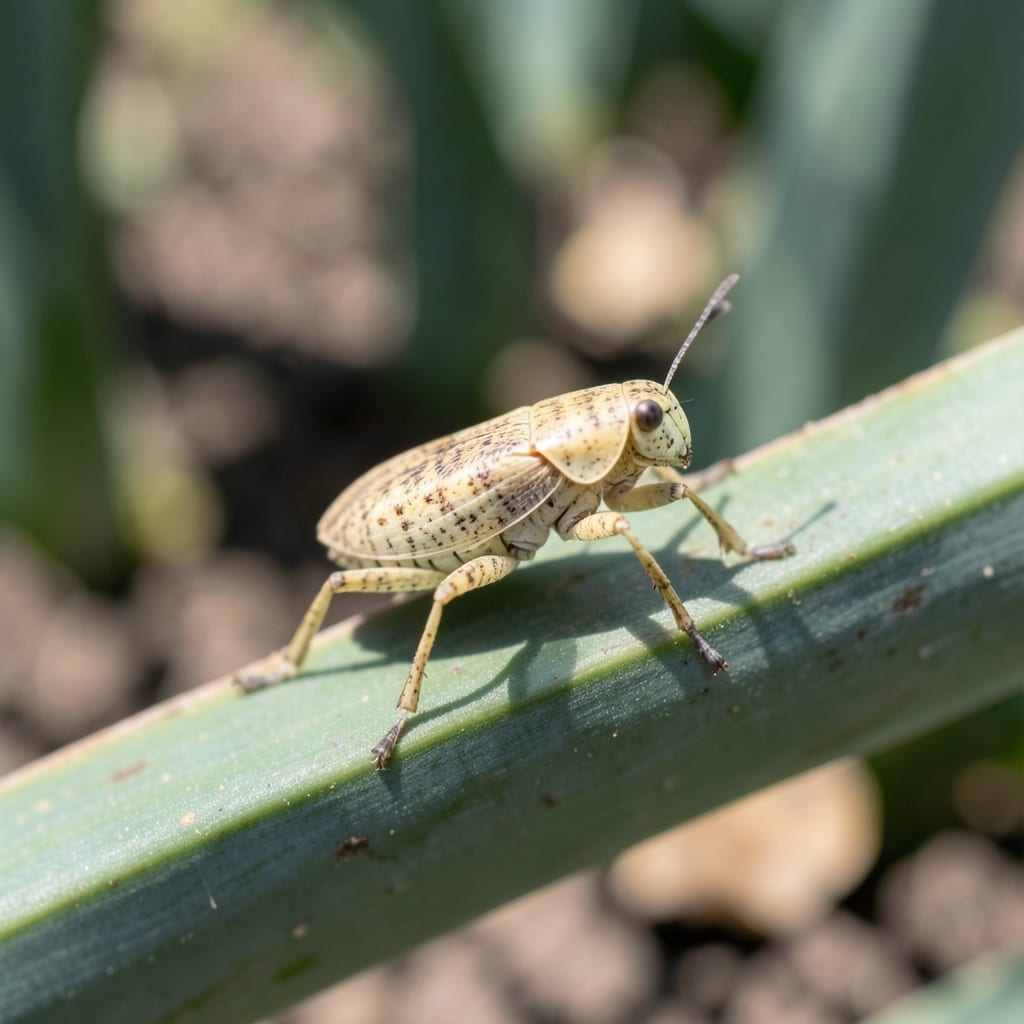
Tiny white spots on your yucca’s leaves aren’t just unsightly—they’re a red flag. I’ve lost count of how many gardeners mistake yucca plant bugs for dust or sun damage until it’s too late.
Here’s the thing—these pests multiply fast, sucking the life out of your plant while hiding in plain sight. Left unchecked, they’ll turn your tough-as-nails yucca into a weak, yellowing mess within weeks.
Spot them early and you can stop the damage with simple, chemical-free solutions. The key is knowing exactly what to look for and where these bugs love to cluster.
This works for potted yuccas on your patio or the ones thriving in your landscape. Let’s tackle this before it spreads.
Yucca plant bugs, like many pests, thrive when specific environmental and plant health conditions align. Understanding these triggers can help you prevent outbreaks before they start. Below are the primary causes of infestations.
Yuccas are drought-tolerant plants that prefer dry soil. Excess moisture from overwatering or poor drainage creates a humid environment, which attracts bugs like Halticus species. Soggy roots also weaken the plant, making it more susceptible to pests. Ensure your yucca is planted in well-draining soil and water only when the top inch of soil is dry.
Dense foliage or crowded plantings restrict airflow, leading to stagnant, humid microclimates—ideal breeding grounds for yucca plant bugs. These pests lay eggs in sheltered areas, and poor ventilation helps their populations explode. Prune dead or overlapping leaves and space plants adequately to improve circulation.
Yucca bugs are most active in warm, dry conditions, typically during late spring and summer. As temperatures rise, their metabolic rates increase, accelerating reproduction. Additionally, drought stress can weaken yuccas, making them more appealing to pests. Monitor your plants closely during these seasons and provide light shade if extreme heat is forecasted.
Plants lacking essential nutrients, particularly nitrogen and potassium, become stressed and less resistant to infestations. Yucca bugs target weakened plants because their natural defenses are compromised. Use a balanced, slow-release fertilizer in early spring to keep your yucca healthy and less vulnerable.
Tackling a yucca plant bug infestation requires a mix of immediate action and long-term prevention. Below are practical solutions tailored to specific causes, ensuring your yucca thrives bug-free.
If you spot a few bugs, start with manual removal. Use a damp cloth or cotton swab dipped in rubbing alcohol to wipe off bugs and their eggs from the leaves. Focus on the undersides, where they often hide. Pro tip: 💡 Inspect the plant weekly to catch new pests early.
For a gentle yet effective approach, mix 1 tsp of neem oil or insecticidal soap with a quart of water. Spray the solution evenly over the plant, especially on leaf undersides, and repeat every 5-7 days until the bugs are gone. Prevention: ✨ Apply neem oil monthly as a preventive measure.
If the problem persists, use a systemic insecticide labeled for yucca plants. Follow the instructions carefully, and avoid overusing chemicals, as they can harm beneficial insects. Prevention: 🎯 Rotate between different insecticides to prevent bug resistance.
Stressed yuccas attract pests. Ensure your plant gets full sunlight and well-draining soil. Avoid overwatering, as soggy roots weaken the plant. Pro tip: 🌡️ Fertilize lightly during the growing season to boost its natural defenses.
If the infestation is severe, isolate the yucca from other plants to prevent the bugs from spreading. After treatment, monitor it closely for 2-3 weeks before reintroducing it to your garden or indoor collection.
They appear as tiny white or pale yellow spots, often clustered on leaf undersides. Some may resemble small cottony masses, while others look like flat, oval insects.
Yes, they may spread to nearby plants, especially other succulents or drought-tolerant species. Isolate infested yuccas immediately to prevent cross-contamination.
Check your plant weekly during warm months, focusing on leaf undersides and new growth. Early detection makes treatment much easier.
Removing heavily infested leaves can reduce their numbers. Always disinfect pruners between cuts to avoid spreading pests to healthy parts.