
Beautiful Plants For Your Interior
Beautiful Plants For Your Interior
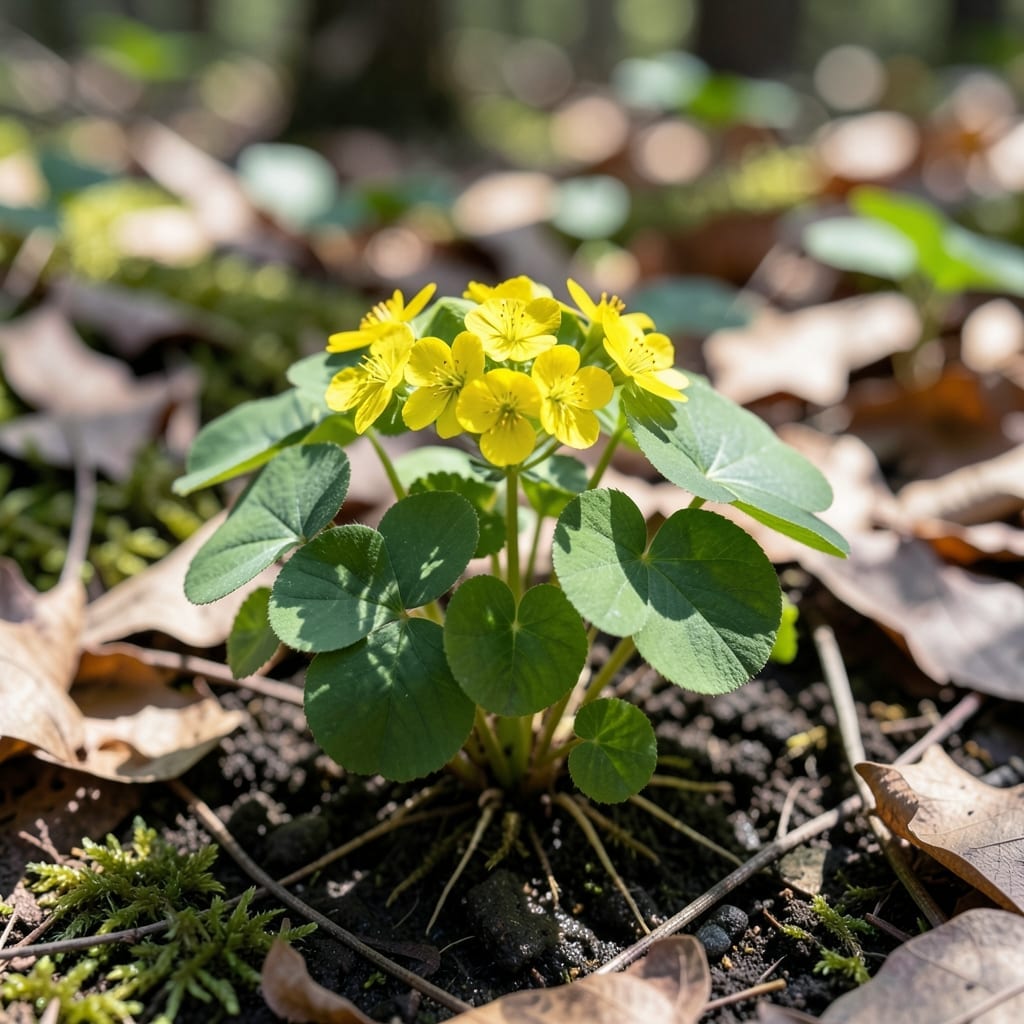
This little plant changed how I see my garden. Yellow wood sorrel spreads fast, but its bright blooms and tangy leaves make it worth the effort.
I first spotted it between my stepping stones, where it thrives in partial shade and poor soil. It self-seeds aggressively, so you’ll want to contain it in pots or designated areas.
You’ll get edible greens with a lemony zing, perfect for salads. The flowers attract pollinators, and the foliage stays green well into fall.
Works in rock gardens, borders, or wildflower patches. Just be ready to pull volunteers—this one doesn’t stay put for long.
Understanding why Oxalis stricta (commonly known as yellow wood sorrel) thrives in certain conditions can help you manage or encourage its presence. Below are the key factors that contribute to its growth:
Yellow wood sorrel flourishes in acidic to neutral soils (pH 5.0–7.0) that are well-draining but retain moisture. It often appears in disturbed soils, such as gardens, lawns, or forest edges, where organic matter is abundant. Compacted or poor-quality soil can also create ideal conditions for this plant to establish itself.
This plant is adaptable but prefers partial shade to full sun. In open areas with ample sunlight, it grows more aggressively, while in shaded woodlands, it may appear more sparse. Its ability to photosynthesize efficiently in varying light conditions allows it to outcompete other plants in certain environments.
Consistent moisture supports the rapid spread of yellow wood sorrel. It thrives in moderately moist environments, such as stream banks, meadows, or areas with frequent rainfall. However, it can also tolerate short periods of drought by entering dormancy, only to regrow when conditions improve.
Yellow wood sorrel often dominates in bare or sparsely vegetated areas where other plants struggle to grow. Its fast-growing nature and ability to reproduce both by seeds and creeping stems (stolons) allow it to quickly colonize open spaces, crowding out slower-growing species.
Dealing with unwanted yellow wood sorrel in your garden or lawn? Here’s how to tackle common issues and keep it under control.
If this wild edible is taking over, hand-pulling is the simplest fix. Its shallow roots make removal easy, especially after rain when the soil is soft. For larger patches, use a hoe or cultivator to uproot clusters. Prevention tip: Apply a thick layer of mulch (2–3 inches) to smother new growth. 💡
For lawns, mow high (3–4 inches) to shade out the plant and weaken its growth. Spot-treat with vinegar-based herbicides (1 gallon of vinegar + 1 cup of dish soap + 1 cup of salt) for a natural solution. Prevention tip: Overseed bare spots to outcompete yellow wood sorrel. ✨
While generally hardy, yellow wood sorrel can attract pests like aphids. Blast them off with a strong water spray or apply neem oil for a gentle fix. For fungal issues (e.g., powdery mildew), improve airflow and avoid overhead watering. Prevention tip: Space plants properly and water at the base. 🌡️
If you’d rather not eat it, solarization works: Cover the area with clear plastic for 4–6 weeks to kill weeds. For a quicker fix, boiling water poured directly on the plants can eliminate small patches. Prevention tip: Regularly inspect and remove new shoots before they seed. 🎯
With consistent effort, you can manage yellow wood sorrel and keep your garden thriving!
Yes! The leaves have a tangy, lemony flavor perfect for salads. Just ensure they’re pesticide-free and harvested from clean areas. Eat in moderation due to oxalic acid content.
Remove plants by hand before they seed and apply 2-3 inches of mulch. For lawns, mow high at 3-4 inches to shade out new growth.
It tolerates full shade but grows best in partial shade to full sun. In deep shade, it may become leggy and produce fewer flowers.
In large quantities, it may cause stomach upset due to oxalates. Keep pets from grazing on it, especially in concentrated amounts.