
Beautiful Plants For Your Interior
Beautiful Plants For Your Interior
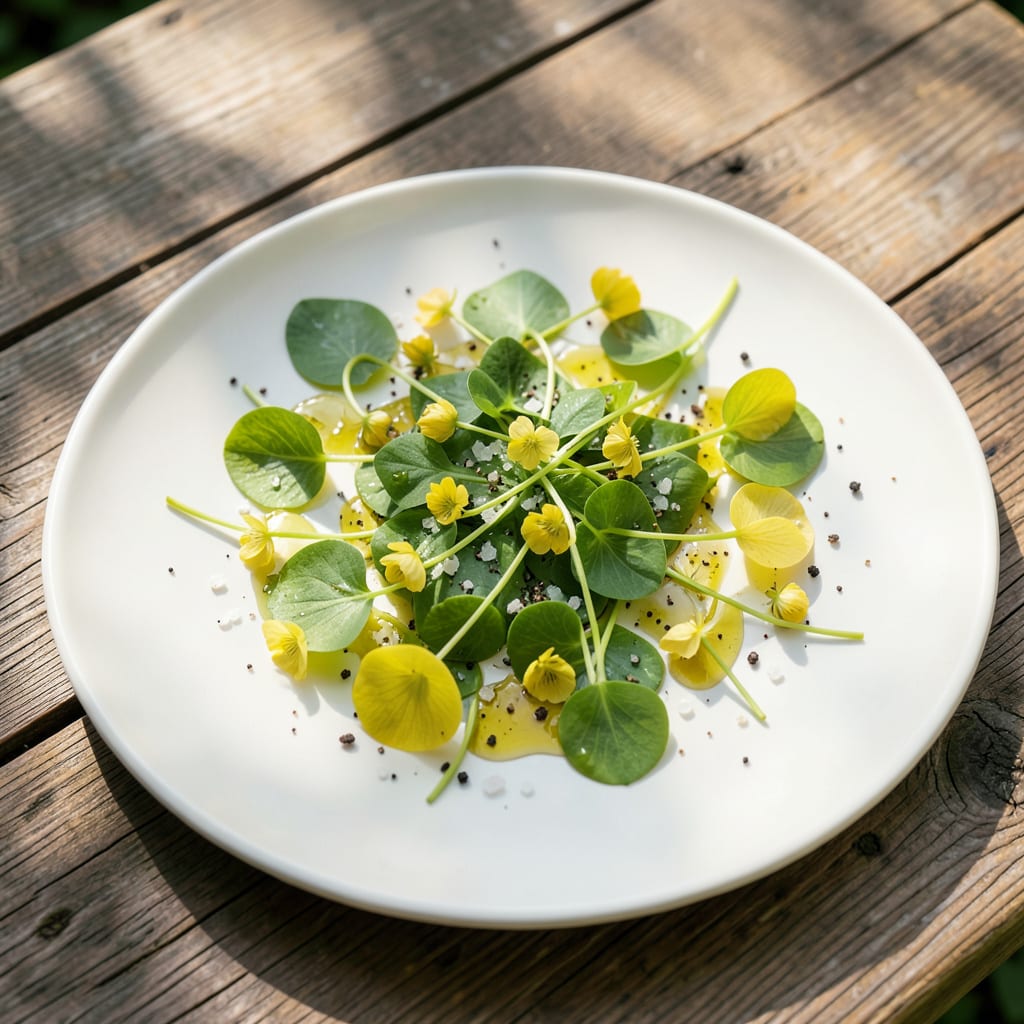
This bright little plant brightens shady corners with its cheerful yellow blooms and clover-like leaves. I first noticed it popping up between my hostas, and instead of pulling it, I let it stay for that lemony zing in salads.
It thrives in partial shade with minimal care, spreading gently without becoming invasive. The tangy flavor makes it a favorite for foragers, and it self-seeds happily if left alone.
📚 In This Guide
This method ensures a thriving patch with minimal effort and maximum flavor.
Slender yellow wood sorrel thrives in partial shade to full shade, making it ideal for wooded areas or underneath taller plants. I look for spots with moist, well-draining soil—this plant dislikes soggy roots but appreciates consistent dampness. Avoid heavy clay or compacted areas where water pools.
If your garden lacks natural shade, consider planting near north-facing walls or under the canopy of shrubs. The soil pH isn’t critical, but a range of 6.0-7.0 works best. Test your soil by squeezing a handful—if it crumbles easily, it’s likely suitable.
Loosen the top 4-6 inches of soil with a garden fork or trowel, breaking up any clumps. I mix in a 1-inch layer of compost to improve fertility and drainage. Avoid overworking the soil—this plant prefers a natural, undisturbed environment.
Remove any aggressive weeds or grass that might compete with the wood sorrel. A light layer of leaf mulch can help retain moisture, but keep it thin to prevent smothering the delicate foliage. Water the area lightly after preparing to settle the soil.
Sow seeds directly on the soil surface, pressing them lightly into the earth without covering—they need light to germinate. Space seeds about 2-3 inches apart. If transplanting seedlings, dig small holes just deep enough to accommodate the root ball and space them 6 inches apart.
Water gently but thoroughly after planting to ensure good soil-to-seed contact. Germination typically occurs within 7-14 days if the soil stays consistently moist. Keep the area weed-free during this period to avoid competition.
Once established, slender yellow wood sorrel requires minimal care. Water during dry spells, aiming to keep the soil evenly moist but not waterlogged. I check the soil by inserting my finger—if the top 1 inch feels dry, it’s time to water.
This plant spreads via rhizomes and self-seeding, so thin seedlings to 6 inches apart if they become too dense. A light application of compost in early spring boosts growth, but avoid heavy fertilization—it can reduce the plant’s characteristic lemony flavor.
Begin harvesting leaves once the plant reaches 4-6 inches tall. Snip individual leaves or small stems as needed, leaving at least one-third of the foliage to ensure continued growth. The leaves are most flavorful in the morning after the dew has dried.
Use fresh leaves in salads, teas, or as a garnish for a tangy, citrusy kick. Regular harvesting encourages bushier growth, but avoid over-picking—this plant is a perennial and will return year after year with proper care.
Small adjustments in your approach can make a big difference in growing this tangy green successfully.
Light Conditions: Since this plant thrives in partial to full shade, avoid sunny spots that can scorch its delicate leaves. I’ve found north-facing walls or the base of shrubs provide ideal protection while maintaining the consistent moisture it loves.
Soil Preparation Insight: When loosening the top 4-6 inches of soil as described in Step 2, resist the urge to add heavy fertilizers. A 1-inch layer of compost is perfect—this plant prefers nutrient-modest conditions that enhance its natural lemony flavor rather than overpowering it.
Watering Technique: The key to maintaining evenly moist soil without waterlogging is in your watering method. I use a gentle spray rather than a heavy pour, checking that the top 1 inch feels just slightly damp. This prevents both drought stress and root rot.
Thinning Strategy: When your seedlings reach about 2-3 inches tall, thin them to 6 inches apart as mentioned in Step 3. Crowding leads to weak growth, but you’ll be rewarded with bushier plants when you give them space to spread via their natural rhizome system.
Yes! This tangy green is edible and safe in moderation. Its lemony flavor makes it a great addition to salads, teas, or garnishes. Just avoid overconsumption, as it contains oxalic acid, which may cause issues for some people.
Harvest slender yellow wood sorrel in spring or early summer when leaves are young and tender. Avoid picking after flowering, as the leaves can turn bitter. Morning is ideal for the freshest flavor!
If slender yellow wood sorrel isn’t available, try sheep sorrel or common wood sorrel for a similar citrusy taste. Other alternatives include lemon balm or even a squeeze of lemon juice for that zesty kick.
Brown leaves may signal underwatering, too much sun, or nutrient-deficient soil. Ensure consistent moisture and partial shade. If the issue persists, check for pests or fungal infections and treat accordingly.
