
Beautiful Plants For Your Interior
Beautiful Plants For Your Interior
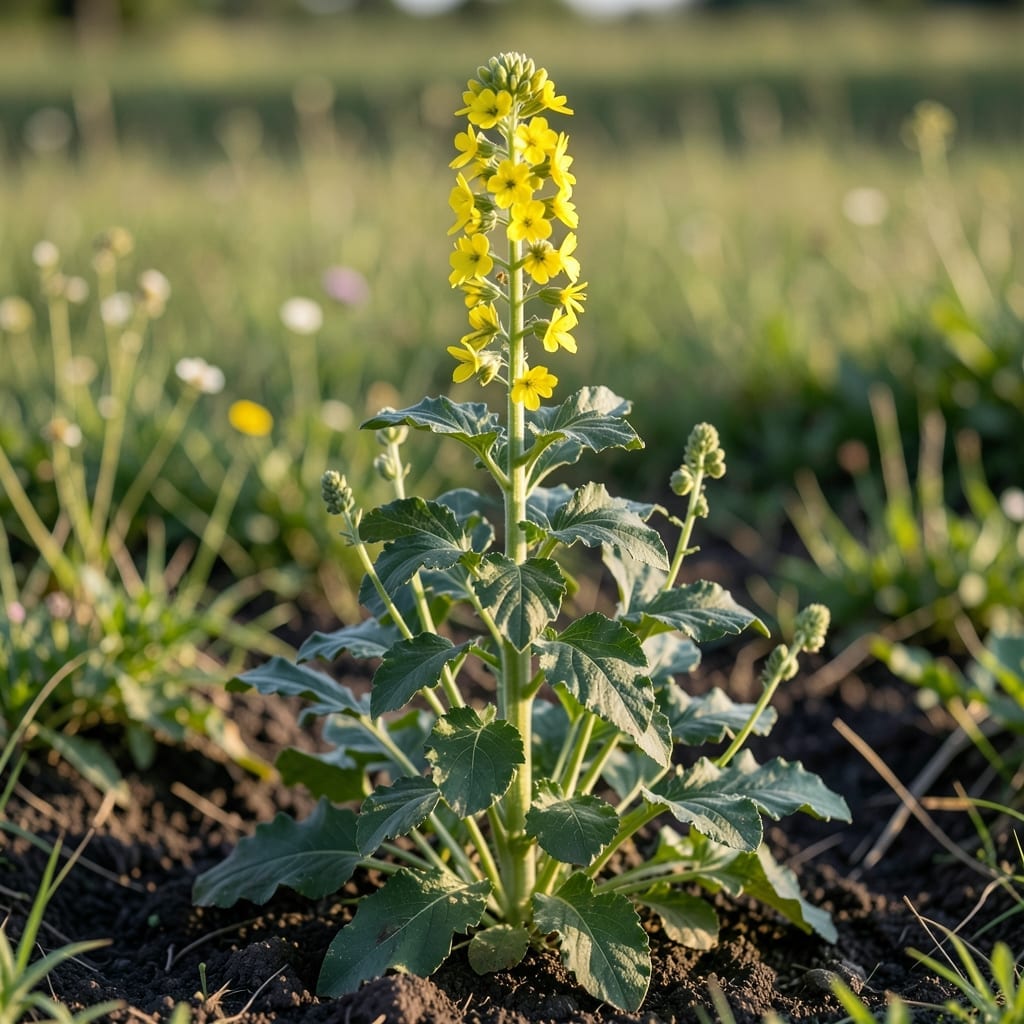
Yellow rocket showed up in my garden like an uninvited guest that wouldn’t leave. I tried ignoring it, but this aggressive weed spreads fast, choking out my flowers and veggies within weeks.
Identifying it isn’t hard—tall stems, bright yellow flowers, and a deep taproot that makes it stubborn. The key is catching it early before it seeds and multiplies. I learned that lesson the hard way last summer.
Safe removal isn’t about brute force. Pulling it by hand often leaves the root behind, and it bounces back stronger. A combination of digging, smothering, and vigilance works best.
Prevention saves future headaches. Mulching bare spots and monitoring new plantings keeps it from gaining a foothold. Trust me, a little effort now prevents a full-scale invasion later.
Understanding why yellow rocket weed (a common name for Barbarea vulgaris) thrives in your garden or lawn starts with recognizing the conditions it loves. This hardy plant isn’t just a random invader—it’s an opportunist that capitalizes on specific environmental and human-induced factors.
Yellow rocket weed often appears in areas where the soil has been disrupted, such as gardens, construction sites, or newly tilled fields. Disturbances expose bare soil, reducing competition from established plants and creating the perfect seedbed for its germination. Actionable tip: Minimize soil disruption and use mulch to suppress weed growth in vulnerable areas.
While this weed tolerates dry conditions, it thrives in consistently moist soil. Overwatering lawns or poor drainage in garden beds can create an ideal environment for its seeds to sprout and spread. Actionable tip: Ensure proper drainage and avoid overwatering to discourage its proliferation.
Yellow rocket weed is adaptable but prefers locations with ample sunlight or partial shade. Open fields, roadside edges, and sparsely planted garden beds provide the light conditions it needs to grow rapidly. Actionable tip: Plant dense, shade-producing vegetation to outcompete this weed for light.
This weed is a master at filling empty spaces. Thin lawns, bare patches, or areas with sparse plant coverage give it room to establish and dominate. Actionable tip: Maintain a thick, healthy turf or ground cover to naturally block its growth.
Seeds of yellow rocket weed can hitch a ride on shoes, pet paws, or gardening tools, spreading to new areas. Additionally, it’s often introduced via contaminated soil or compost. Actionable tip: Clean tools and footwear after working in infested areas, and use trusted sources for soil amendments.
Tackling this persistent garden invader requires a mix of immediate action and long-term prevention. Below are practical solutions tailored to common issues, along with tips to keep your garden free from future outbreaks.
If the weed is still in its early stages, hand-pulling can be effective. Grab the base of the plant and pull firmly, ensuring you remove the entire root system to prevent regrowth. Wear gloves to protect your hands from skin irritation.
Prevention tip: 💡 Mulch garden beds with a thick layer of organic material to suppress new growth.
For a natural approach, use a homemade herbicide of white vinegar, salt, and dish soap (1 gallon vinegar, 1 cup salt, 1 tbsp soap). Spray directly on the leaves on a sunny day for best results. Reapply as needed until the weeds die.
Prevention tip: 🌡️ Apply a pre-emergent herbicide in early spring to stop seeds from germinating.
In heavily infested areas, tilling or mowing can help reduce the population. Cut the weeds before they flower to prevent seed dispersal. Repeat mowing every few weeks to weaken the plants over time.
Prevention tip: ✨ Plant competitive ground covers like clover or creeping thyme to outcompete weeds.
This weed is tenacious, so consistency is critical. Combine methods for best results—hand-pull what you can, spray the rest, and follow up with preventive measures. Monitor your garden regularly to catch new growth early.
Prevention tip: 🎯 Rotate crops and avoid over-fertilizing, which can create ideal conditions for weed growth.
Look for tall stems with bright yellow flowers and lobed leaves. It has a deep taproot and often grows in clusters, quickly overtaking nearby plants. Check disturbed soil areas first.
Hand-pulling can work for small infestations, but you must remove the entire root. If any root remains, it will regrow. Wear gloves to avoid skin irritation.
A mix of white vinegar, salt, and dish soap is effective. Use 1 gallon vinegar, 1 cup salt, and 1 tablespoon soap. Spray on sunny days for best results.
Mulch bare spots, maintain thick plant coverage, and clean tools after working in infested areas. Monitor regularly to catch new growth early.