
Beautiful Plants For Your Interior
Beautiful Plants For Your Interior
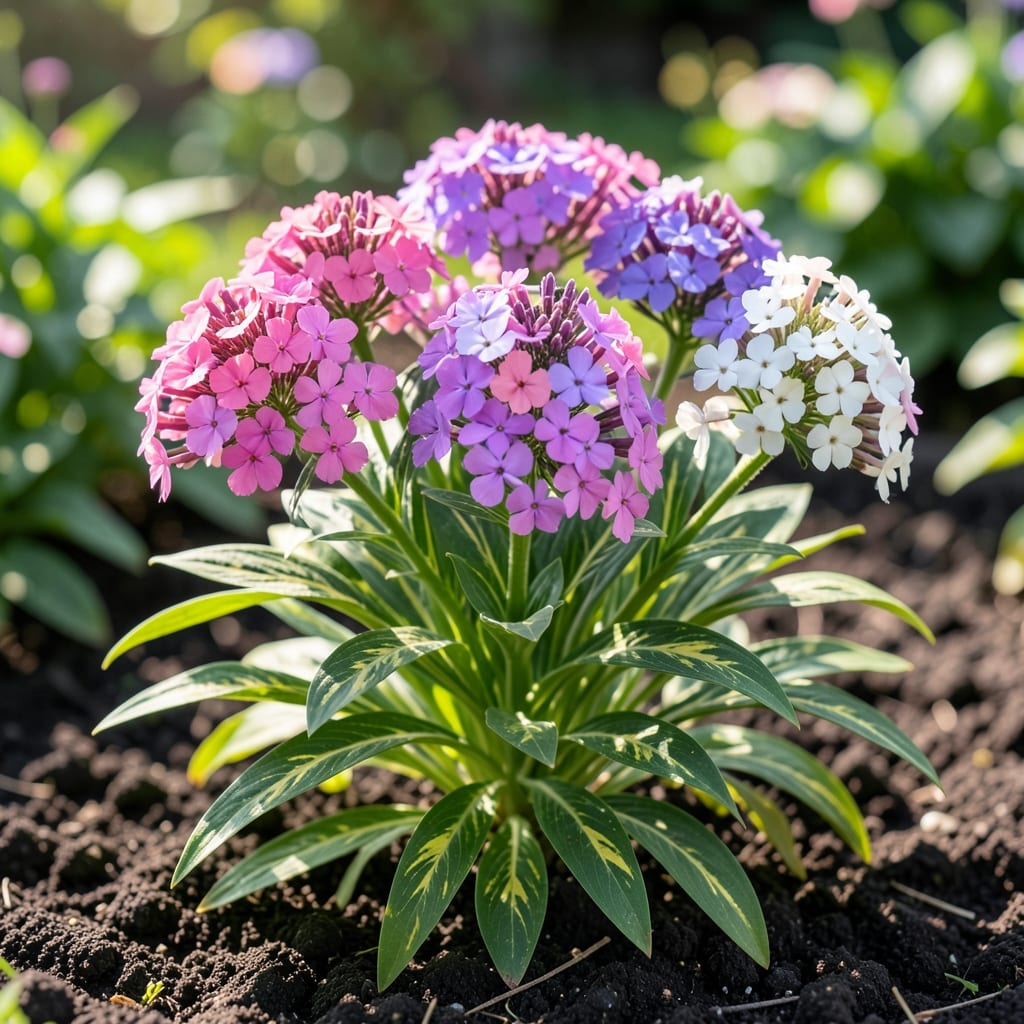
Yellow leaves on your phlox aren’t just unsightly—they’re a cry for help. I’ve seen healthy plants turn sickly overnight, and the culprit is usually one of three things: too much water, not enough nutrients, or a sneaky pest.
The good news? You can diagnose the issue with a quick inspection. Check the undersides of leaves for bugs, feel the soil for moisture, and look for patterns in the yellowing. It’s often simpler than it seems.
Once you pinpoint the problem, solutions are straightforward. Adjust your watering, add a balanced fertilizer, or treat for pests. Most phlox bounce back within weeks with the right care.
Don’t let yellow leaves discourage you. With a little attention, your phlox can return to its vibrant, blooming best.
Yellowing leaves in phlox can signal underlying issues that disrupt the plant’s health. Here are the most common causes, explained scientifically:
Phlox requires balanced nutrients, particularly nitrogen, iron, and magnesium. A nitrogen deficiency causes uniform yellowing (chlorosis) across older leaves as the plant reallocates resources to new growth. Iron deficiency, often due to alkaline soil (pH > 7.0), leads to interveinal yellowing—veins stay green while leaf tissue turns yellow. Magnesium deficiency appears as yellowing between veins in older leaves, progressing to necrotic spots. Action: Conduct a soil test and amend with chelated iron or Epsom salt (for magnesium).
Extreme temperatures, drought, or waterlogging stress phlox, triggering leaf yellowing. Heat stress (above 90°F) accelerates chlorophyll breakdown, while waterlogged roots suffocate, reducing nutrient uptake. Action: Mulch to retain moisture, ensure well-draining soil, and provide afternoon shade in hot climates.
Pathogens like Plasmopara obducens (downy mildew) or Erysiphe cichoracearum (powdery mildew) infect phlox, disrupting photosynthesis. Downy mildew causes yellow patches on upper leaves with fuzzy gray growth underneath. Powdery mildew creates white fungal coatings, leading to yellowing and leaf drop. Action: Improve air circulation, avoid overhead watering, and apply fungicides like copper or neem oil preventatively.
Sap-sucking pests such as spider mites and aphids drain phlox of nutrients, causing stippled yellowing or curled, discolored leaves. Spider mites thrive in dry conditions, while aphids cluster on new growth. Action: Blast pests off with water or use insecticidal soap. Introduce beneficial insects like ladybugs for long-term control.
Addressing yellowing phlox leaves starts with identifying the underlying cause and applying targeted solutions. Here’s a practical guide to nursing your plant back to health:
Fix: Allow the soil to dry out slightly between waterings. Ensure pots have drainage holes, and for garden beds, amend heavy clay soil with compost to improve drainage. Trim any blackened or mushy roots to prevent rot from spreading.
Prevention tip: 💡 Use a moisture meter to monitor soil hydration, and always water at the base—not the leaves—to reduce fungal risks.
Fix: Test your soil with a kit to confirm deficiencies. For nitrogen (uniform yellowing), apply a balanced fertilizer. For iron (yellowing between veins), treat with chelated iron or lower soil pH to 6.0–6.5. Magnesium shortages (yellow patches) can be fixed with Epsom salt (1 tablespoon per gallon of water).
Prevention tip: ✨ Feed phlox with a slow-release fertilizer in early spring and again after blooming.
Fix: Spray leaves with neem oil or insecticidal soap to combat spider mites and aphids. For severe cases, introduce beneficial insects like ladybugs. Remove heavily infested leaves to limit spreading.
Prevention tip: 🎯 Inspect plants weekly, especially the undersides of leaves, and keep the garden free of debris where pests hide.
Fix: Prune affected leaves with sterilized shears and discard them (do not compost). Apply a copper-based fungicide for powdery mildew or leaf spot. Improve air circulation by thinning crowded stems.
Prevention tip: 🌡️ Water early in the day so foliage dries quickly, and avoid overhead watering.
For all causes, remove yellow leaves promptly to redirect the plant’s energy to healthy growth. Consistency in care—proper spacing, sunlight, and hygiene—will keep your phlox thriving!
No, once leaves turn yellow they won’t recover. Remove them to help the plant focus energy on healthy growth.
Water when the top 1-2 inches of soil feels dry. Overwatering is a common cause of yellowing.
A balanced 10-10-10 fertilizer works well. Apply in early spring and after blooming for best results.
Improve air circulation and avoid overhead watering. Apply neem oil preventatively every 2 weeks.