
Beautiful Plants For Your Interior
Beautiful Plants For Your Interior
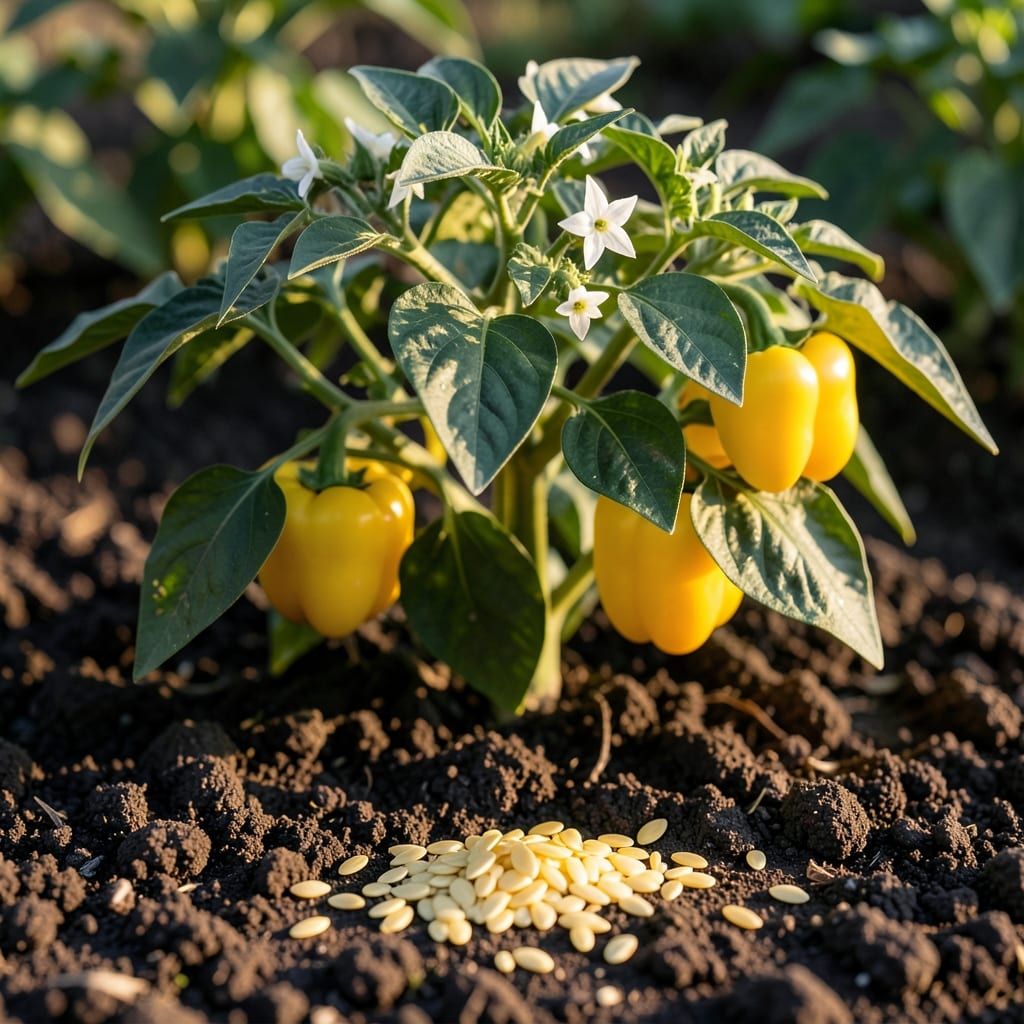
Three seeds in a pot changed how I see summer gardening. These bright, sunny-yellow peppers bring color and sweetness to any harvest, and they start from something as small as your thumbnail.
I learned the hard way that germination needs warmth—70-80°F is the sweet spot. Use a seed-starting mix, keep it moist but not soggy, and you’ll see sprouts in 7-14 days. No fancy equipment required.
What follows are plants that thrive with basic care: full sun, consistent water, and occasional fertilizer. The result? Crisp, flavorful peppers that outshine anything from the store.
Perfect for containers or garden beds. Here’s how to get them going right.
Understanding why yellow pepper seeds fail to germinate or thrive often comes down to a few key environmental and biological factors. Below are the most common causes, explained with actionable insights to help you troubleshoot.
Pepper seeds require consistent warmth (70–85°F) to germinate. Temperatures below 55°F can halt germination entirely, while excessive heat (above 90°F) may desiccate the seeds. Use a seedling heat mat to stabilize soil temperature in cooler climates.
Too much moisture leads to rot or fungal growth, while drought stress prevents the seed from swelling and splitting. Aim for evenly moist (not soggy) soil. A spray bottle can help maintain humidity without waterlogging.
Compacted or nutrient-poor soil stifles root development. Peppers thrive in well-draining, loamy soil with a pH of 6.0–6.8. Mix in compost or vermiculite to improve aeration and fertility before planting.
Seed viability drops significantly after 2–3 years. Store seeds in a cool, dry place (like a sealed jar in the fridge) to extend shelf life. Always check the expiration date on seed packets.
Fungus gnats, damping-off disease, or bacterial infections can destroy seedlings before they emerge. Sterilize seed-starting mix with hydrogen peroxide (1:10 ratio with water) and avoid overcrowding to improve airflow.
Growing healthy peppers starts with solving problems quickly. Below are practical fixes for the most common issues, along with tips to prevent them from happening again.
If your seeds aren’t sprouting, check the soil temperature. Pepper seeds need warmth—ideally 70–80°F (21–27°C). Use a heat mat if your environment is too cool. Also, ensure the soil stays moist but not soggy. Overwatering can cause rot, while dry soil halts germination. Prevention tip: 💡 Soak seeds in warm water for 24 hours before planting to speed up germination.
Yellow leaves often signal nutrient deficiencies or overwatering. Test your soil: peppers thrive in well-draining, slightly acidic soil (pH 6.0–6.8). If the issue is nitrogen deficiency, apply a balanced fertilizer. For waterlogged roots, improve drainage by adding perlite or sand to the soil. Prevention tip: 🌡️ Water only when the top inch of soil feels dry.
Aphids, spider mites, and whiteflies love pepper plants. Spray them off with a strong stream of water or use neem oil for a natural fix. Introduce beneficial insects like ladybugs for long-term control. Prevention tip: ✨ Rotate crops yearly and keep the garden free of debris to deter pests.
Powdery mildew or blight? Remove infected leaves immediately and avoid overhead watering. Apply a copper-based fungicide or a homemade mix of baking soda and water. Prevention tip: 🎯 Space plants properly for airflow and water at the base to keep foliage dry.
Addressing issues early keeps your pepper plants thriving. Stay vigilant, and your garden will reward you with a bountiful harvest!
Sow seeds just ¼ inch deep in moist soil. Planting too deep can prevent germination. Keep the soil warm at 70-80°F for best results.
Sprouts typically appear in 7-14 days under ideal conditions. If it takes longer, check your soil temperature and moisture levels.
Yes! Start indoors 8-10 weeks before the last frost. Use grow lights if natural light is limited. Transplant outdoors when nights stay above 55°F.
Leggy seedlings usually mean they’re not getting enough light. Move them closer to a light source or use a grow light for 12-16 hours daily.