
Beautiful Plants For Your Interior
Beautiful Plants For Your Interior
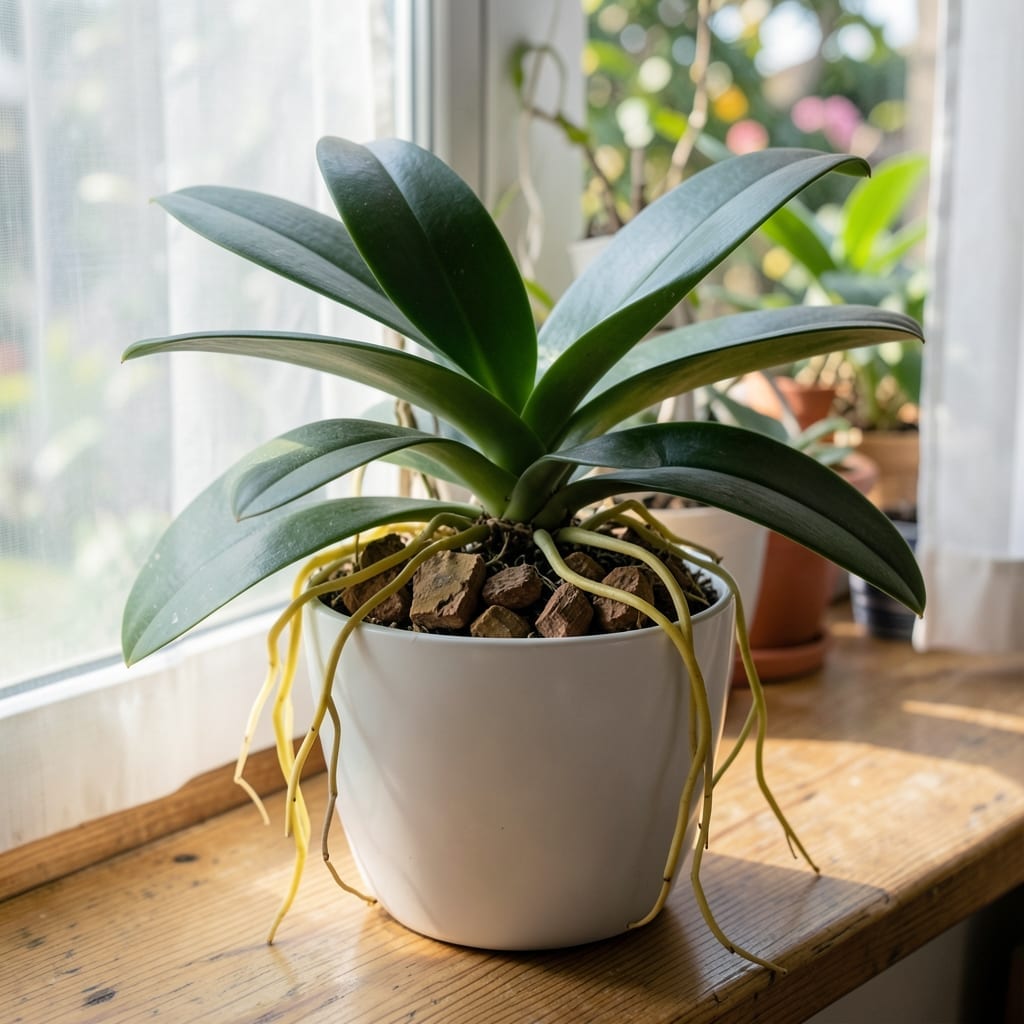
Yellow orchid roots caught me off guard last winter. I panicked, thinking my plant was done for—but turns out, it’s often fixable with the right approach.
The usual culprits are overwatering, poor drainage, or a sneaky fungal issue. Once I adjusted my watering schedule and repotted with fresh bark mix, new healthy roots started pushing through within 3-4 weeks.
Your orchid can bounce back too. Focus on airflow, light, and letting the roots dry between waterings. It’s simpler than it seems, and the rewards are worth it.
This method works for Phalaenopsis, Dendrobium, or any orchid with ailing roots. Consistency is key—your plant will thank you with vibrant growth.
Several factors can turn orchid roots yellow, often signaling underlying stress or poor care. Below are the primary causes with scientific explanations and actionable insights.
Excess water suffocates roots by displacing oxygen in the growing medium, leading to anaerobic conditions. This triggers root rot, where fungal or bacterial pathogens (e.g., Phytophthora or Pythium) decompose healthy tissue, turning roots yellow or brown. Action: Use a well-draining mix (e.g., bark, perlite) and water only when the medium is nearly dry.
Orchids thrive in 60–80°F (15–27°C). Exposure to extreme heat or cold disrupts cellular function, causing chlorophyll breakdown in roots. Cold stress slows metabolic processes, while heat accelerates water loss, both leading to yellowing. Action: Keep orchids in stable, indirect light and away from drafts or heaters.
Over-fertilizing with high-nitrogen formulas can cause nutrient burn, damaging root tips and inhibiting water uptake. Conversely, deficiencies (e.g., magnesium or iron) disrupt chlorophyll production. Action: Use a balanced orchid fertilizer (20-20-20) at half-strength every 2–4 weeks.
Too much direct sunlight bleaches roots by degrading pigments, while insufficient light starves them of energy for growth. Action: Provide bright, indirect light (e.g., east-facing windows) and rotate pots weekly for even exposure.
Pathogens like Fusarium or Erwinia invade weakened roots, causing discoloration and decay. Yellowing often appears as a precursor to black or mushy roots. Action: Isolate affected plants, trim infected roots with sterilized tools, and repot in fresh medium.
If your orchid’s roots are turning yellow, don’t panic—there are clear fixes for each underlying cause. Below are practical solutions to nurse your plant back to health, along with tips to prevent future issues.
Let the orchid dry out slightly between waterings. Stick your finger an inch into the potting mix—if it feels damp, wait. Use a pot with drainage holes and empty the saucer after watering to avoid soggy roots. Prevention tip: Water only when the roots turn silvery-gray, a sign they’re thirsty.
Gently remove the orchid from its pot and trim any mushy, yellow roots with sterilized scissors. Repot in fresh, chunky orchid mix (bark, perlite, or sphagnum moss) and a pot with drainage. Prevention tip: 💡 Avoid compact soils—orchids hate wet feet!
Move your orchid to bright, indirect light (east or north-facing windows are ideal). If leaves darken or roots yellow further, it’s getting too much sun. Prevention tip: Rotate the pot weekly for even exposure.
Rinse the roots with lukewarm water to remove salt buildup from fertilizers. Then, switch to a balanced, diluted orchid fertilizer (20-20-20) every 2–4 weeks. Prevention tip: ✨ Fertilize weakly, weekly—less is more!
Quarantine the orchid and wipe roots with a damp cloth or neem oil solution for pests. For fungal issues, use a copper-based fungicide. Prevention tip: Sterilize tools and pots to stop reinfection.
With these fixes, your orchid’s roots should regain their healthy green hue in weeks. Stay consistent, and your plant will thank you with vibrant blooms!
Water only when the potting mix feels nearly dry, about every 7-10 days. Orchids need time to dry out between waterings to prevent root rot.
Healthy roots may recover if the issue is caught early. Trim any mushy or blackened roots and repot in fresh, well-draining medium.
Use a chunky orchid mix with bark, perlite, or sphagnum moss. This ensures proper drainage and airflow to the roots.
Too much direct light can bleach roots. Move your orchid to bright, indirect light, like an east-facing window, to avoid stress.