
Beautiful Plants For Your Interior
Beautiful Plants For Your Interior
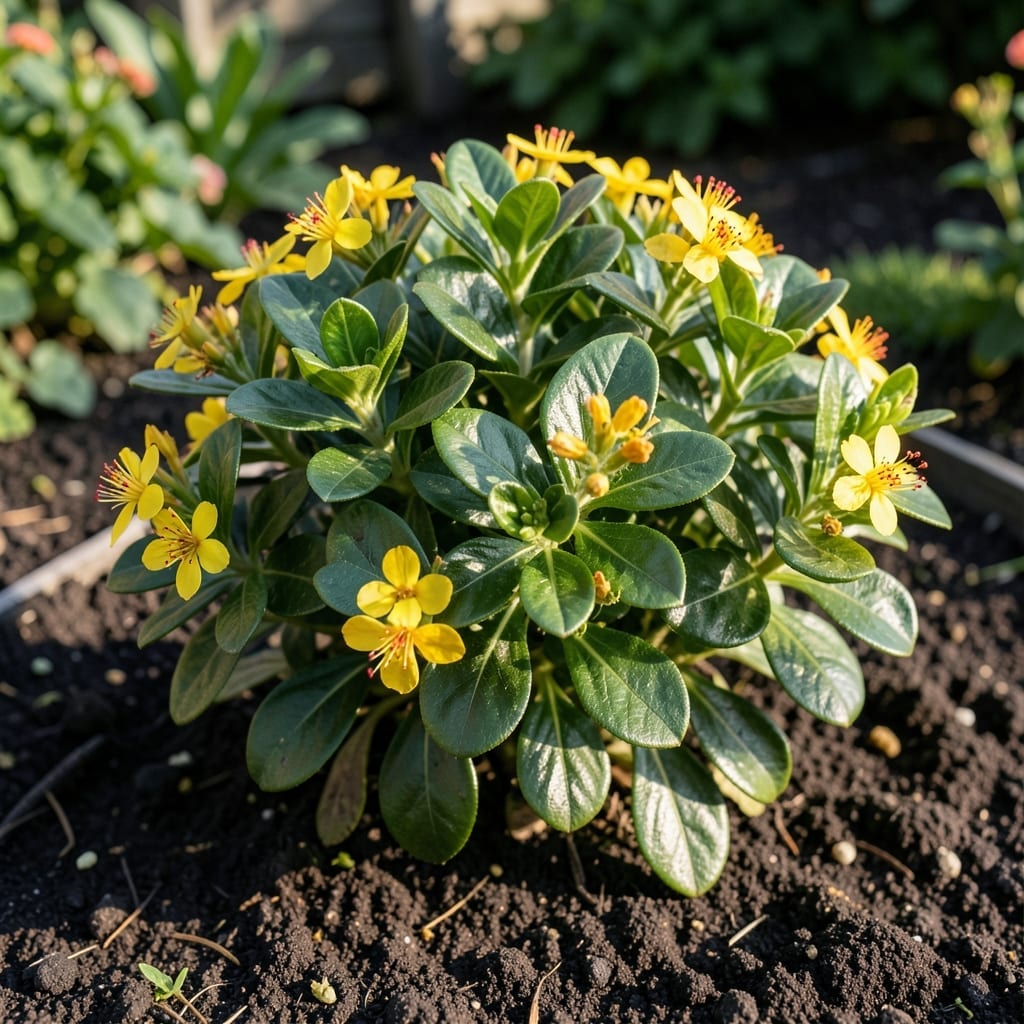
First time I saw a yellow mai flower in full bloom, I stopped mid-step. Its golden blooms glow like sunlight trapped in petals, and that fragrance—warm, sweet, and impossible to ignore.
This isn’t your typical shrub. It thrives in well-draining soil and asks for little beyond consistent moisture and a spot with full sun. Yet, get the conditions right, and it rewards you with months of color.
What surprises most is how forgiving it is. Even after neglecting mine during a dry spell, it bounced back with fresh growth. The key is starting with healthy stock and giving it room to spread.
Perfect for borders or as a standalone focal point. Here’s how to make it shine in your space.
The yellowing of mai (or Prunus mume) flowers or leaves, often called “yellow mai flower” in horticultural contexts, is typically a stress response. Below are the primary causes, explained scientifically and actionably.
Nitrogen or magnesium shortages disrupt chlorophyll production, leading to yellowing. Nitrogen deficiency starts in older leaves, while magnesium causes interveinal chlorosis (yellowing between veins). Action: Test soil and amend with balanced fertilizer (e.g., 10-10-10) or Epsom salt (for magnesium).
Excess water suffocates roots, reducing oxygen uptake and nutrient transport. This triggers leaf yellowing, often paired with wilting. Action: Ensure well-draining soil (add perlite or sand) and water only when the top 1–2 inches of soil are dry.
Extreme heat, cold drafts, or sudden light changes can shock mai plants. Heat stress accelerates chlorophyll breakdown, while cold damage impairs vascular function. Action: Provide afternoon shade in hot climates and shield from frost with mulch or cloth covers.
Pathogens like Verticillium wilt or bacterial leaf spot block xylem/phloem, starving leaves of water and nutrients. Yellowing often appears in patches. Action: Prune infected branches, improve air circulation, and apply copper-based fungicides preventatively.
If your mai flower is turning yellow, quick action can restore its vibrant health. Below are targeted fixes for common causes, along with prevention tips to keep your plant thriving long-term.
Yellowing often signals a lack of nitrogen, iron, or magnesium. Use a balanced, slow-release fertilizer (10-10-10) every 4–6 weeks during the growing season. For iron deficiencies, apply chelated iron directly to the soil. Prevention tip: 💡 Test soil pH annually—mai flowers prefer slightly acidic soil (6.0–6.5).
Soggy roots cause yellow leaves. Let the top 1–2 inches of soil dry out between waterings. Ensure pots have drainage holes, and use well-draining soil mixes. Prevention tip: ✨ Water deeply but less frequently—early morning is ideal to reduce evaporation.
Too much direct sun can scorch leaves, while too little starves the plant. Move potted mai flowers to partial shade (4–6 hours of sunlight daily). For garden plants, use shade cloth during peak afternoon hours. Prevention tip: 🎯 Rotate pots weekly for even light distribution.
Spider mites or aphids suck sap, causing yellow spots. Spray leaves with neem oil or insecticidal soap every 5–7 days until pests vanish. Prevention tip: 🌡️ Inspect undersides of leaves weekly and keep the area free of debris.
Consistency is key—address issues early, and your mai flower will reward you with lush, green foliage and stunning blooms!
Environmental stress like excessive heat or cold is the most common culprit. Check for sudden temperature changes or poor drainage, as these can trigger color fading in the petals.
Water when the top 1-2 inches of soil feel dry. Overwatering leads to root rot, while underwatering causes wilting. Consistency is key for healthy growth.
Yes, but it thrives best with 4-6 hours of sunlight daily. Too little light may reduce blooming, so find a balance between shade and sun exposure.