
Beautiful Plants For Your Interior
Beautiful Plants For Your Interior
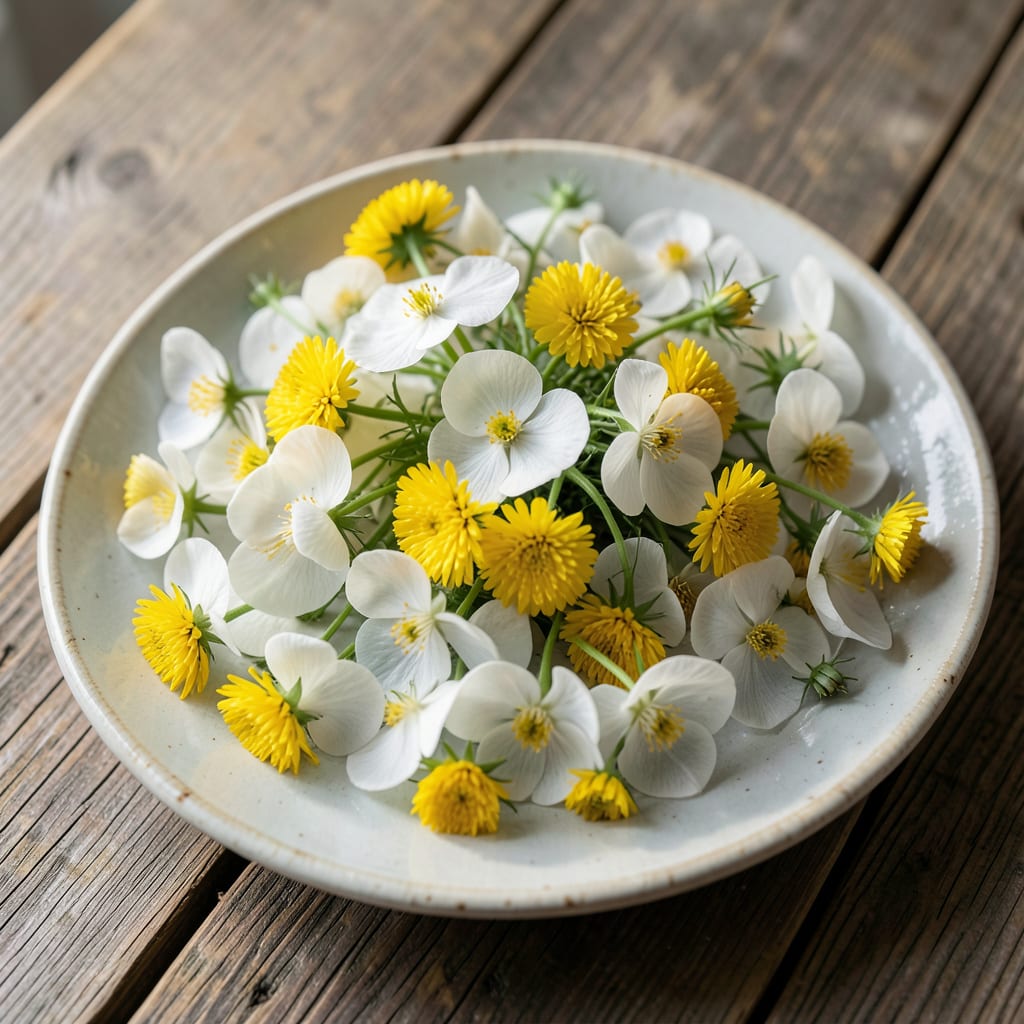
That bright yellow bloom popping up everywhere isn’t just a nuisance—it’s stealing resources from your plants. I’ve spent too many weekends pulling these invaders by hand, only to watch them return stronger than ever.
The most common culprits are dandelions and oxalis, both stubborn and quick to spread. Left unchecked, they’ll overtake flower beds, lawns, and even cracks in your driveway within a single season.
Here’s the thing—removal isn’t just about pulling what you see. You’ve got to get the roots, or they’ll bounce back faster than you can say “weed-free.”
Prevention is simpler than you think. A little mulch and consistent lawn care can save you hours of backbreaking work later.
The white and yellow weed flower often appears in gardens due to a mix of environmental and biological factors. Below are the primary causes, explained in scientific terms to help you understand and address the issue effectively.
Disturbed soil provides an ideal environment for weed seeds to germinate. Activities like tilling, digging, or even foot traffic can bring dormant weed seeds to the surface, where light and oxygen trigger germination. These seeds, often lying in the top 2-3 inches of soil, sprout quickly when exposed to favorable conditions.
Excess moisture in the soil can create a breeding ground for weeds, including those with white and yellow flowers. Overwatering not only promotes weed growth but also weakens desirable plants, making it easier for weeds to take over. Poor drainage exacerbates this by creating waterlogged areas where weeds thrive.
Many weeds, including those with white and yellow blooms, are opportunistic and thrive in areas with ample sunlight. Open garden spaces, thin lawns, or bare soil patches allow these weeds to photosynthesize efficiently, outcompeting slower-growing plants for resources.
Soil with an imbalance of nutrients—particularly high nitrogen levels—can encourage the growth of certain weeds. These plants often adapt to nutrient-rich environments, using the excess nutrients to grow rapidly and spread. Testing your soil can help identify and correct imbalances to reduce weed proliferation.
Bare soil is an open invitation for weeds. Without a protective layer of mulch, weed seeds can easily take root. Mulching blocks sunlight, retaining moisture for your plants while suppressing weed growth. Organic mulches, like straw or wood chips, also improve soil health over time.
Dealing with white and yellow weed flowers in your garden doesn’t have to be a losing battle. Here’s a practical, step-by-step guide to reclaiming your space, with prevention tips to keep them from coming back.
For isolated weeds, hand-pulling is the simplest fix. Use a weeding tool or your hands to remove the entire plant, including the roots. Pro tip 💡: Pull after rain or watering—moist soil makes roots easier to extract. Dispose of the weeds in a sealed bag to prevent reseeding.
Apply a 2–3 inch layer of organic mulch (wood chips, straw, or leaves) around plants. Mulch blocks sunlight, which many weeds need to sprout. Prevention tip ✨: Refresh mulch seasonally to maintain its effectiveness.
For larger areas, selective herbicides (like glyphosate-free options for flower beds) can target weeds without harming desired plants. Always follow label instructions and apply on calm days to avoid drift. Safety note 🎯: Wear gloves and keep kids/pets away until the spray dries.
Try a vinegar solution (1 gallon of white vinegar + 1 cup of salt + 1 tbsp dish soap) for a chemical-free approach. Spray directly on weed leaves on sunny days for best results. Warning 🌡️: Vinegar can harm nearby plants, so use carefully.
Prevention is key—regularly inspect your garden, remove weeds early, and maintain healthy soil to discourage their return. With consistency, you’ll keep those pesky blooms at bay!
Look for small, bright blooms with 5 petals and heart-shaped leaves. They often grow close to the ground and spread quickly. Dandelions and oxalis are the most common types with this color scheme.
No, removing just the flowers won’t prevent regrowth. You must dig out the entire root system, as many weeds regenerate from fragments left in the soil. Use a weeding tool for deep roots.
A 2–3 inch layer of organic mulch blocks sunlight for most weeds. However, some aggressive types may push through. Combine mulching with regular inspection for best results.
Avoid composting flowering weeds—they may contain seeds that survive and spread when you use the compost. Dispose of them in sealed bags instead.
