
Beautiful Plants For Your Interior
Beautiful Plants For Your Interior
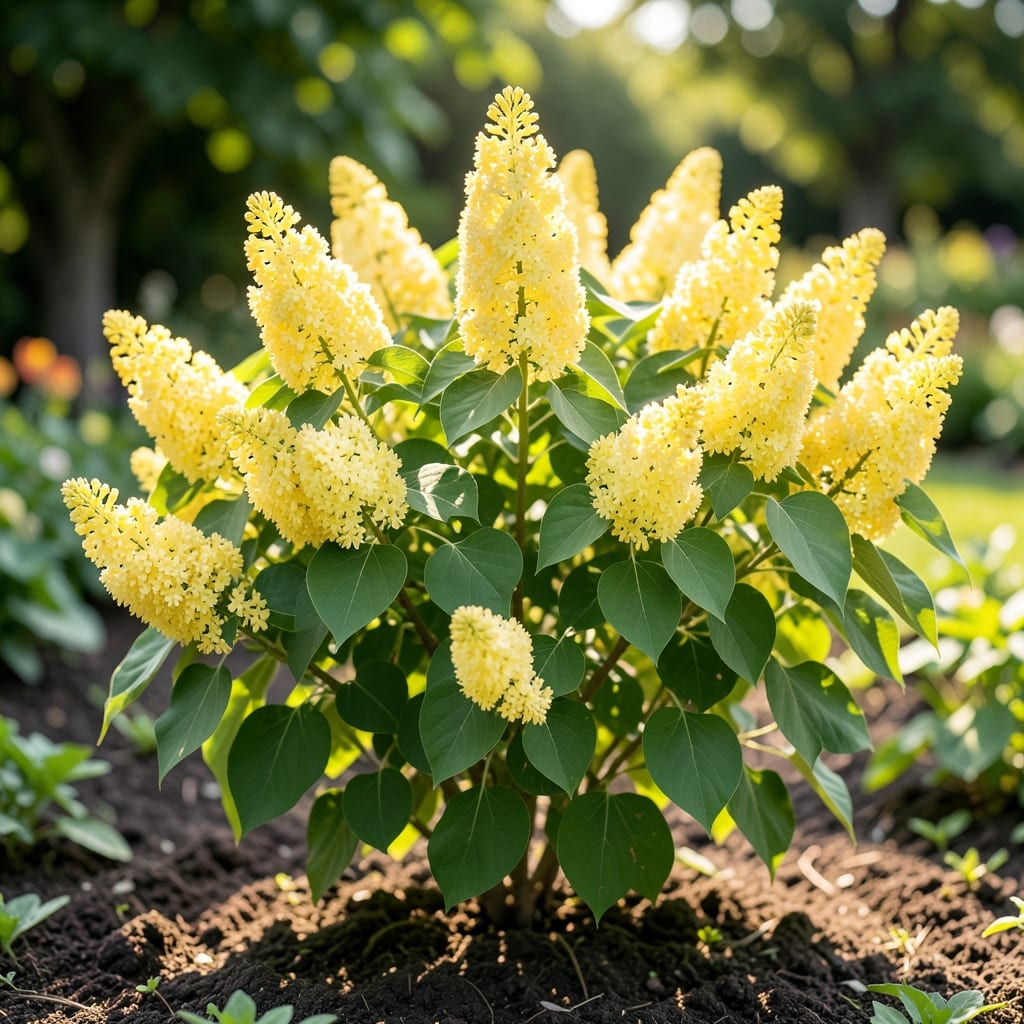
Yellow lilac bushes thrive in full sun to partial shade with well-draining soil. Prune after blooming, water weekly during dry spells, and fertilize lightly in early spring for vibrant flowers.
I’ve found these bushes do best when planted where they’ll get morning sun and afternoon shade, especially in hotter climates. 🌟 The well-draining soil prevents root rot, while pruning right after flowering ensures you don’t accidentally remove next year’s buds. A light fertilizer in early spring gives them the boost they need for those stunning blooms.
💡 In This Article
Yellow lilacs flourish in USDA zones 3-7, where they experience the cold dormancy period necessary for spring blooming. They prefer slightly alkaline to neutral soil with a pH of 6.5-7.5, which helps nutrient uptake while preventing leaf yellowing.
In my experience, adding lime to acidic soil before planting can create the perfect chemical balance for these shrubs. 🌟
For sunlight, they need a minimum of 6 hours of direct light daily to produce abundant flowers. Morning sun with afternoon shade works particularly well in warmer zones, as it protects the delicate blooms from scorching.
The leaves will actually turn a paler green if the plant isn’t receiving enough light, which is nature’s way of signaling it needs more sun exposure.
Well-draining soil is non-negotiable because lilacs hate “wet feet.” I’ve seen plants struggle in heavy clay until amended with compost and sand. A 2-3 inch layer of mulch helps retain moisture without waterlogging, and the organic matter gradually improves soil structure. The roots spread 12-18 inches outward, so give them space to establish. ✨
Temperature plays a key role in bloom development. These bushes need 40-60 days of temperatures below 45°F in winter to set flower buds. That’s why they thrive in regions with distinct seasons. Without this chilling period, you’ll get lush foliage but few flowers—a common frustration for gardeners in mild climates.
Air circulation matters more than most realize. Planting in a breezy spot reduces fungal diseases like powdery mildew, which often appears as white dust on leaves. Space bushes 5-8 feet apart to ensure good airflow between mature plants. This simple step prevents more problems than any fungicide could treat. 💫
They require at least 6 hours of direct sunlight daily for optimal blooming. Morning sun with afternoon shade works best in warmer climates to protect delicate flowers.
Prune immediately after blooms fade, usually in late spring. This timing allows new growth to develop next year’s flower buds before winter dormancy.
Improve air circulation by spacing plants 5-8 feet apart and thinning branches. Water at the base and use a baking soda spray as a preventive measure.
They thrive in slightly alkaline to neutral soil with a pH of 6.5-7.5. Add lime to acidic soil before planting to create the ideal chemical balance.