
Beautiful Plants For Your Interior
Beautiful Plants For Your Interior
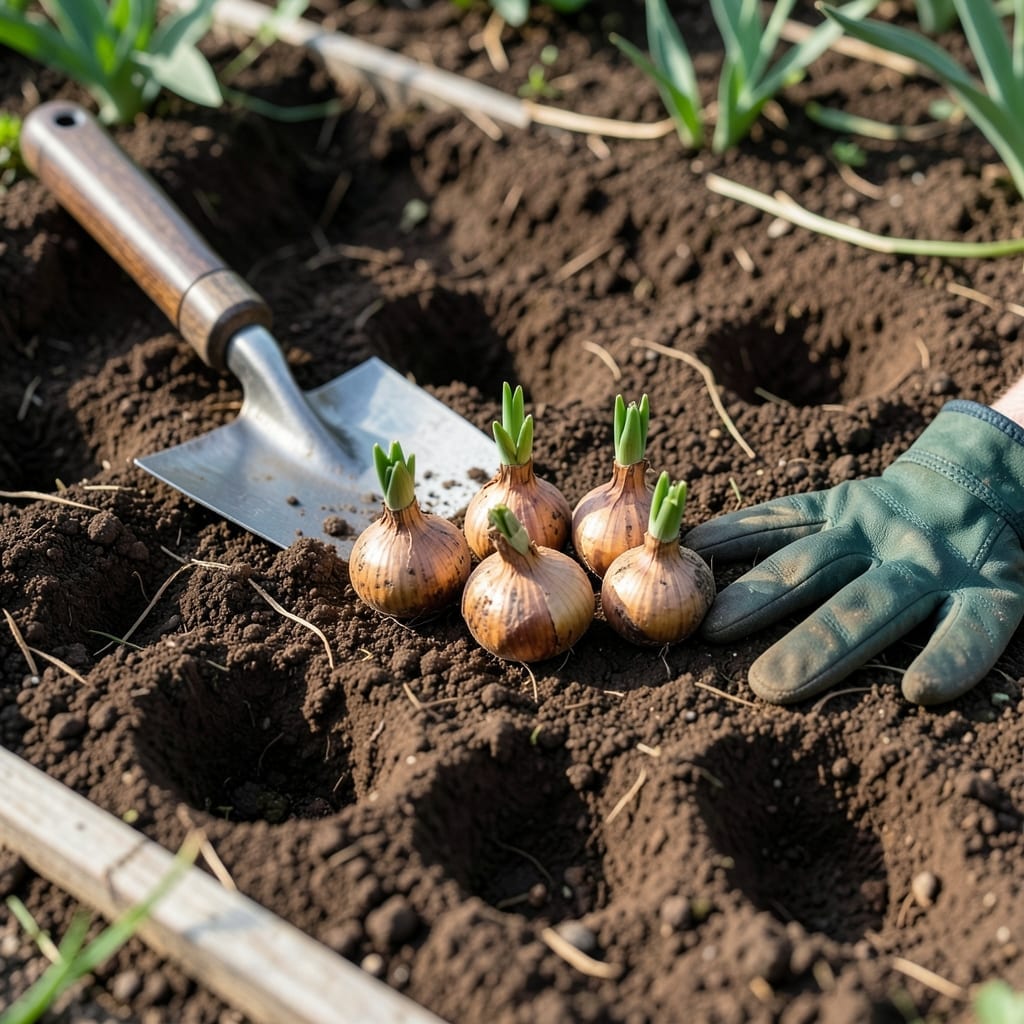
Timing is everything when it comes to planting Spring Blooming Bulbs—plant too early or too late, and you might miss out on a spectacular display. 🌷 The fall window is your golden opportunity to set the stage for vibrant blooms.
Getting this right means your tulips, daffodils, and crocuses will burst into color come spring. I’ve tested the most effective methods to ensure your garden thrives without the guesswork.
Discover the perfect timing and practical steps to make it happen. Let’s dig in and turn your garden into a springtime masterpiece.
The key to vibrant spring blooms is planting bulbs in fall when the soil is cool but not frozen. I’ve found that 6-8 weeks before the first hard frost is ideal for root development. 🌱
This timing gives bulbs like tulips and daffodils enough time to establish roots before winter. Soil temperature below 60°F signals bulbs to start growing, ensuring strong spring growth.
| header-cell”>Soil Temperature | cell”>September to early October | row”> | cell”>October to early November | row”> | cell”>November to early December | row”> | cell”>December to early January | 60-65°F |
|---|
In colder zones like 3-4, I plant bulbs in September to give them a head start before winter. This ensures they’re well-rooted before the ground freezes solid. 🌿
For moderate zones 5-6, October is perfect. The soil stays warm longer, allowing bulbs to establish roots without the risk of early sprouting.
Gardeners in warmer zones 7-8 can plant as late as November. The milder winters mean bulbs need less time to root before spring arrives.
In zones 9-10, where winters are mild, I’ve had success planting in December. The bulbs still get the chilling period they need but won’t sprout prematurely.
Soil temperature is the real clue. Use a soil thermometer to check—when it dips below 60°F, it’s time to plant. This ensures bulbs stay dormant until spring.
I always mark my calendar for the first frost date in my area. Counting backward 6-8 weeks gives me the perfect planting window every time. ✂️
Avoid planting too early in warm soil, as bulbs may sprout prematurely. Too late, and they won’t root properly before winter. Timing is everything for a stunning spring display.
Once you’ve nailed the optimal planting window, the next step is proper technique. I always start by preparing the soil—loosen it to 12 inches deep and mix in compost for nutrients. 🌱
This ensures bulbs have room to grow and access to the nutrients they need for strong root development before winter hits.
🌿 Pro Planting Steps:
For tulips and daffodils, I dig holes 6-8 inches deep. Smaller bulbs like crocuses only need 3-4 inches of depth. 🌷
The pointy end of the bulb should always face upward. If you’re unsure, plant it sideways—the bulb will naturally orient itself as it grows.
After planting, I water deeply to help the soil settle and eliminate air pockets. This first watering is critical for root establishment before winter dormancy.
A 2-3 inch layer of mulch helps regulate soil temperature and retain moisture. I use straw or shredded leaves for best results. ✂️
Avoid overwatering after planting, as soggy soil can cause bulbs to rot. Also, never plant in low-lying areas where water pools after rain.