
Beautiful Plants For Your Interior
Beautiful Plants For Your Interior
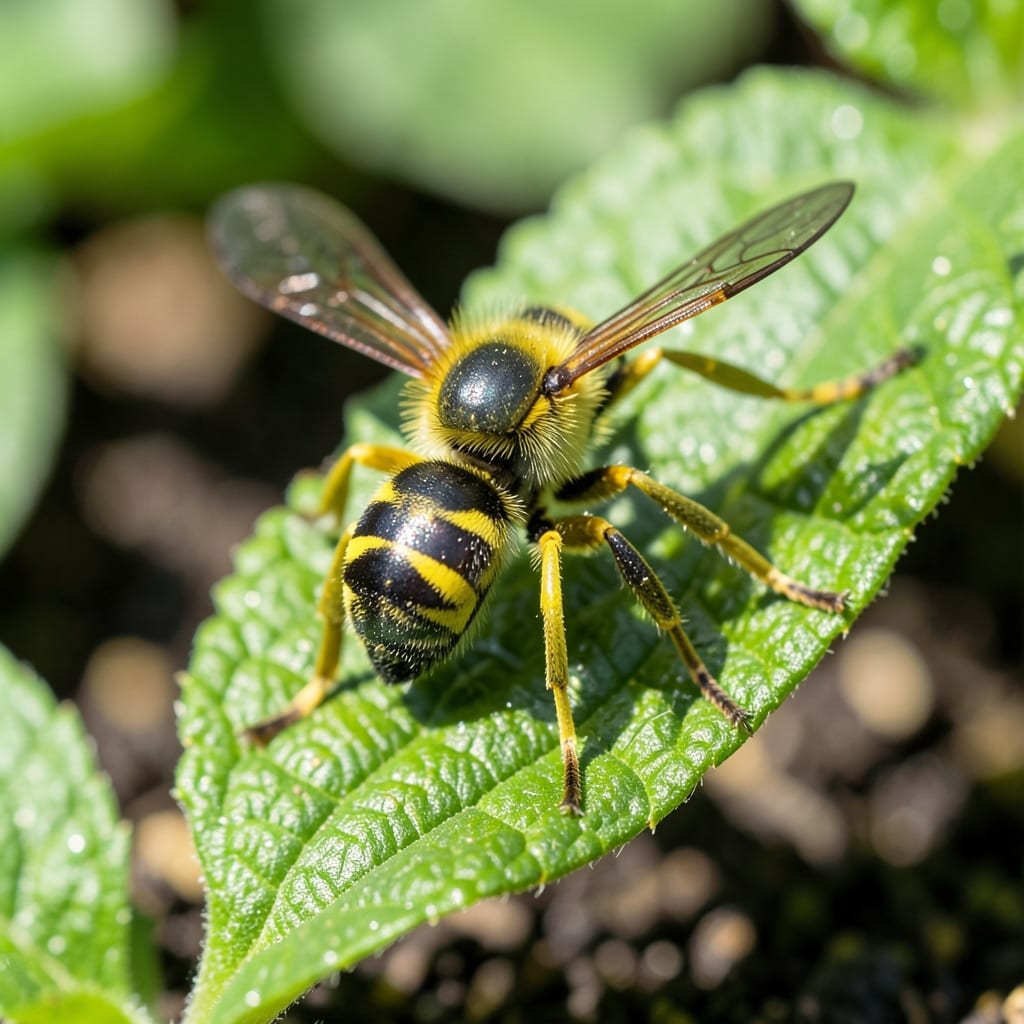
That buzzing sound near your garden isn’t always a bee. Yellow jackets are aggressive, territorial, and can ruin a peaceful afternoon in seconds. I learned this the hard way last summer when a nest appeared overnight.
These pests look like bees but move faster and sting repeatedly. They’re drawn to sweet foods, meats, and even your soda can. The key is spotting their nests early—usually underground or in dense shrubs.
Removal requires caution. I’ve found that evening treatments work best when they’re less active. Natural traps with soapy water can reduce their numbers without harsh chemicals.
Safety first: wear protective clothing, work at dusk, and never swat at them. Here’s how to reclaim your garden without getting stung.
Understanding why yellow jacket wasps become aggressive can help you avoid provoking them. These insects are defensive by nature, and their behavior is driven by specific triggers tied to their biology and environment. Below are the primary causes of their aggressive responses.
As summer progresses, Vespula and Dolichovespula species (common yellow jackets) face dwindling food sources. Their natural prey, like caterpillars and flies, becomes scarce, while their colonies grow larger. This forces worker wasps to scavenge aggressively for sugary or protein-rich foods, often leading them to picnic sites, trash cans, or outdoor dining areas. Their desperation makes them more territorial and prone to stinging.
Yellow jackets are fiercely protective of their nests, which can house thousands of individuals. If they sense vibrations, sudden movements, or carbon dioxide (from breathing) near their nest, they interpret it as a threat. Unlike bees, which die after stinging, yellow jackets can sting repeatedly, making them particularly dangerous when defending their colony.
These wasps are drawn to meats, sweets, and strong odors like perfumes or lotions. Their keen sense of smell detects these scents from afar, and they’ll swarm in large numbers to investigate. Once they associate a location (e.g., a backyard barbecue) with food, they’ll return repeatedly, increasing the likelihood of stings.
Extreme heat or drought can agitate yellow jackets, as it disrupts their foraging patterns and dehydrates them. In such conditions, they become more erratic and aggressive, often attacking with little provocation. Similarly, cool temperatures in early fall can make them sluggish but no less defensive.
Dealing with a yellow jacket nest requires caution, but these practical steps will help you reclaim your space safely. Always prioritize prevention to avoid future encounters.
If you’ve spotted a nest in your yard, do not disturb it during the day when wasps are most active. Instead, treat it at dusk or dawn when they’re less aggressive. Use an insecticide spray labeled for wasps, standing at least 15–20 feet away. For ground nests, dust formulations work best. Wear protective clothing, including a veil and long sleeves, to avoid stings.
Yellow jackets are drawn to sweet and protein-rich foods. To deter them, seal trash cans tightly and clean up spills immediately. When dining outdoors, cover food dishes and use wasp traps (baited with meat or sweet liquids) placed away from your eating area. Avoid swatting—they release pheromones that attract more wasps!
Stop future nests before they start. Inspect your property in early spring for queen wasps scouting nesting sites. Seal cracks in walls, eaves, and sheds. Keep yards free of fallen fruit, pet food, and standing water. Hang decoy nests—yellow jackets are territorial and may avoid areas they think are already claimed.
Pro tip 💡: If the nest is large or in a hard-to-reach spot, call a pest control professional. Safety first!
Look for their thin waist and bright yellow and black stripes. Unlike bees, they have smooth bodies and fly with their legs tucked under. Bees are fuzzy, while these wasps appear shiny.
Late summer and early fall are peak times due to food scarcity. They also become more defensive if you approach their nest, especially during daylight hours. Dusk is the safest time for removal.
Peppermint oil, citrus sprays, and cucumber slices can deter them temporarily. For best results, place these near entry points or food areas. However, traps or professional removal are more reliable for nests.
Wash the area with soap and water, then apply a cold compress. If you see signs of an allergic reaction like swelling or difficulty breathing, seek medical help immediately.