
Beautiful Plants For Your Interior
Beautiful Plants For Your Interior
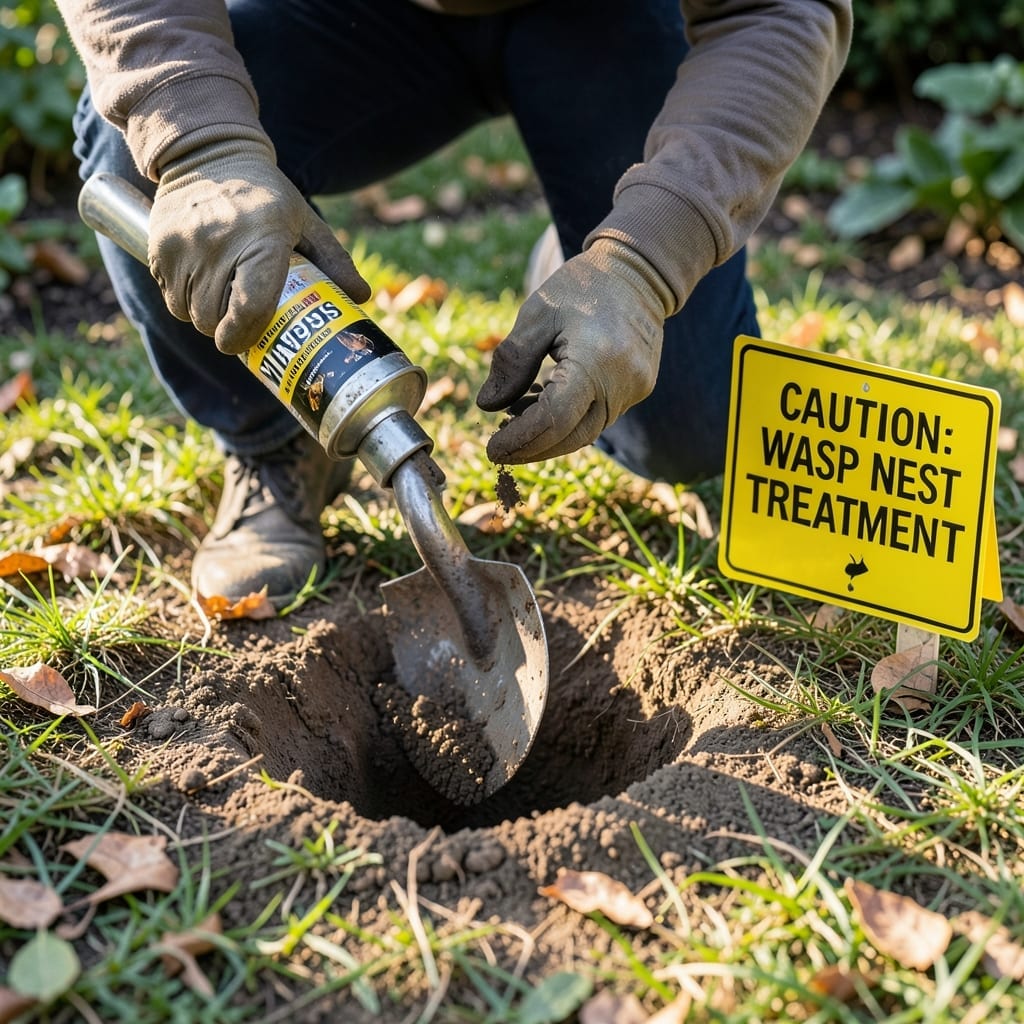
That buzzing under your lawn isn’t just annoying—it’s a hazard. I’ve dealt with 3 underground nests in my yard over the years, and each time, the key was acting fast before they got aggressive.
Here’s the thing—yellow jackets don’t just sting, they swarm. The wrong approach turns a small problem into a full-blown battle. But with the right timing and method, you can remove the nest without getting hurt.
By sunrise or dusk, when they’re sluggish, you’ve got the best shot. The process takes less than an hour if you prep properly and use the right gear.
Works for nests near patios, play areas, or anywhere you need to reclaim your space. Let’s tackle this safely.
Understanding why yellow jackets establish nests beneath the soil is the first step in preventing and addressing infestations. These aggressive wasps don’t choose underground sites randomly—their behavior is driven by biology, environmental cues, and survival instincts.
Yellow jackets, particularly the Vespula genus, are hardwired to build nests in sheltered, temperature-stable environments. Underground cavities—like abandoned rodent burrows—mimic the dark, humid conditions of their natural habitats. The queen selects these sites in spring to protect her colony from predators, wind, and extreme temperatures, ensuring optimal conditions for brood development.
Loose, well-drained soil with existing tunnels (e.g., from gophers or moles) is irresistible to yellow jackets. These pre-dug spaces reduce the energy the queen must expend to establish a nest. Additionally, slightly moist soil helps maintain the nest’s structural integrity, while nearby food sources (like flower nectar or human trash) make the location even more appealing.
Warm, dry summers accelerate colony growth, prompting queens to seek underground refuge to avoid overheating. In cooler climates, underground nests provide insulation against frost. The timing aligns with the yellow jacket life cycle: queens emerge in spring, scout for sites, and begin nesting as temperatures rise, with peak activity in late summer when colonies swell to thousands.
Dealing with an underground yellow jacket nest requires caution and the right approach. Below are practical solutions tailored to common scenarios, along with prevention tips to keep them from returning.
If the nest is small and you’ve caught it early, a simple soapy water solution can suffocate the wasps. Mix 2 tablespoons of dish soap with a quart of water in a spray bottle. Spray directly into the nest entrance at dusk or dawn when yellow jackets are least active. The soap breaks down their exoskeleton, killing them on contact. Pro tip 💡: Wear protective clothing and stand at a safe distance to avoid stings.
For larger or well-established nests, insecticidal dust (like Sevin Dust or Delta Dust) is highly effective. Use a duster applicator to puff the dust into the nest entrance at night. The wasps will track the dust deep into the nest, killing the colony over 24–48 hours. Pro tip 🎯: Seal the entrance with a rock or dirt after application to prevent escapees.
If the nest is in a high-traffic area, or if you or someone nearby has a wasp venom allergy, do not attempt DIY removal. A licensed pest control expert has the tools and protective gear to handle it safely. They can also treat the area to prevent future nests. Pro tip ✨: Schedule inspections in early summer to catch nests before they grow.
Taking quick, decisive action—and staying vigilant—will help you reclaim your outdoor space safely.
Dusk or dawn is ideal when yellow jackets are less active. Cool temperatures make them sluggish, reducing the risk of stings. Avoid daytime treatment when they’re most aggressive.
Soapy water is only effective for small, new nests. For larger colonies, use insecticidal dust or call a professional to ensure full elimination.
Wait 24-48 hours after treatment, then observe the entrance. If you see no activity, the nest is likely eliminated. Avoid disturbing the area prematurely.