
Beautiful Plants For Your Interior
Beautiful Plants For Your Interior
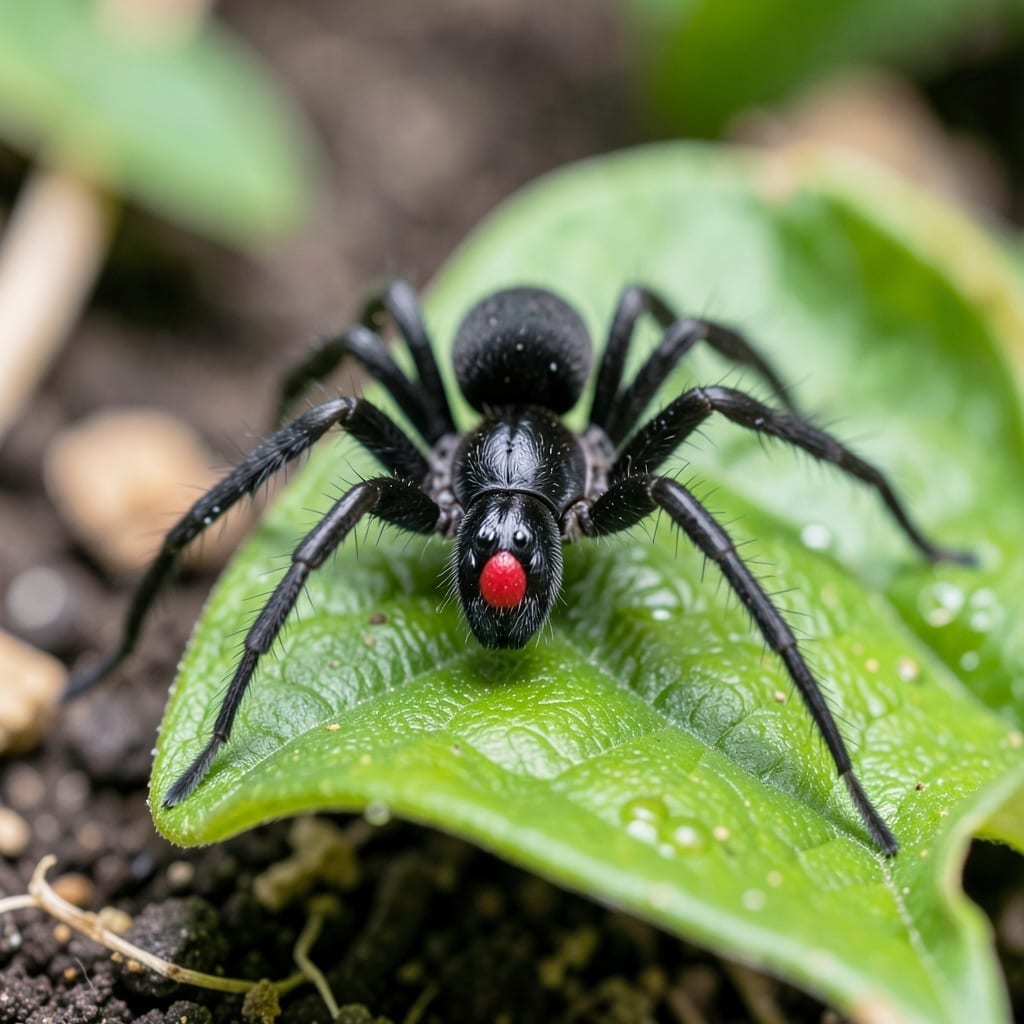
Black widows in the garden send chills down my spine. 🌿 I’ve found their telltale red hourglass hiding in woodpiles and under sheds too many times, and I’ve learned safe, effective ways to keep them away without harming the rest of my space.
This isn’t about panic—it’s about smart prevention. Clear clutter, seal cracks, and use natural repellents like peppermint oil. The goal is making your yard less inviting to these unwelcome guests.
You’ll notice fewer webs within a week of consistent effort. Kids and pets can play outside again without worry, and your garden stays productive and peaceful.
Works for sheds, garages, and garden edges. Here’s how to take back your space.
Black widow spiders don’t just appear out of nowhere—they’re drawn to specific conditions that make your property an ideal habitat. Understanding these triggers helps you disrupt their lifecycle and keep them away for good. Here’s why they show up:
Black widows seek dark, undisturbed areas like wood piles, sheds, basements, and cluttered garages. These spaces offer protection from predators and harsh weather. Their webs—irregular and three-dimensional—are often built in corners, under ledges, or inside stored items. Reducing clutter and sealing entry points removes their preferred nesting sites.
These spiders thrive where other insects are plentiful. A diet of flies, beetles, crickets, and even other spiders keeps them well-fed. Properties with poor sanitation, standing water, or unmanaged vegetation attract prey—and, in turn, black widows. Regular pest control for smaller insects can starve them out.
Black widows favor temperate to warm environments (60–90°F) and low humidity. They’re common in the southern and western U.S., but they’ll adapt to indoor spaces like attics or crawl spaces if outdoor conditions are inhospitable. Controlling indoor humidity and ventilating storage areas can make your home less appealing.
Gaps in window screens, door sweeps, utility lines, and foundation cracks serve as express lanes for black widows. They can also hitchhike on firewood, outdoor furniture, or potted plants. Sealing entry points and inspecting items before bringing them inside are critical preventive steps.
Black widow spiders can be intimidating, but with the right approach, you can safely remove them and prevent future infestations. Here’s how to tackle the problem step by step:
If you spot a black widow, do not attempt to handle it barehanded. Use a vacuum with a long hose to suck up the spider, its web, and any egg sacs. Seal the vacuum bag tightly and dispose of it immediately in an outdoor trash bin. For a more hands-off method, trap the spider using a glass jar and a stiff piece of paper, then release it far from your home (if local regulations allow).
Black widows love dark, undisturbed areas like garages, sheds, and woodpiles. Eliminate clutter by organizing storage spaces, sealing cardboard boxes, and using plastic bins with tight lids. Regularly sweep and dust corners, under furniture, and behind appliances to destroy webs and deter spiders from settling in.
Inspect your home’s exterior for cracks, gaps, or holes in walls, foundations, and around doors or windows. Seal these entry points with caulk, weatherstripping, or fine mesh screens. Pay special attention to utility lines, vents, and pipes where spiders might sneak in. A well-sealed home is your first line of defense.
Taking these steps will help you reclaim your space and keep black widows at bay for good!
Look for shiny black bodies with a red hourglass marking on the underside. Females are about 1.5 inches long while males are smaller with yellow/red bands. They build messy, irregular webs in dark corners.
Yes, but rarely fatal. Their venom can cause pain, muscle cramps, and nausea. Seek medical attention immediately if bitten. Children and elderly are most at risk.
Seal cracks, reduce clutter, and store items in airtight containers. Regularly clean dark areas and use natural repellents like peppermint oil. Consistency is key.
If you see multiple spiders, egg sacs, or webs reappearing after cleaning. Professionals have specialized tools and treatments for stubborn infestations.