
Beautiful Plants For Your Interior
Beautiful Plants For Your Interior
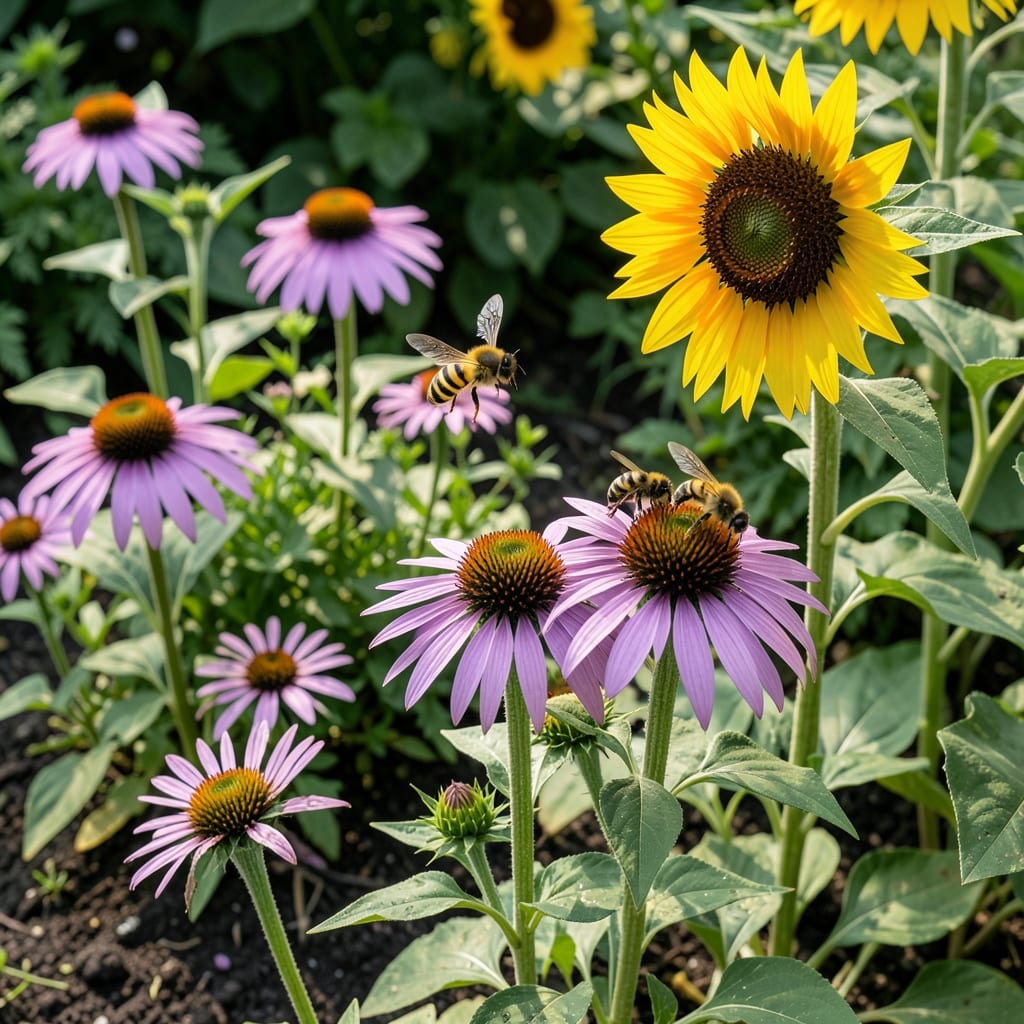
Yellow jackets pollinate plants, control pest populations by preying on caterpillars and flies, and help decompose organic matter, supporting garden and ecosystem health.
While they get a bad rap for their sting, these insects are powerhouse contributors to biodiversity. Their predation on garden pests reduces the need for chemical interventions, and their role in breaking down dead organic material enriches soil quality naturally. I’ve noticed that gardens with healthy yellow jacket populations often have fewer aphid infestations and more vibrant plant growth overall. ✨
💡 In This Article
Yellow jackets are voracious predators, with a single colony consuming up to 5,000 caterpillars, flies, and other pests per day during peak season. Their hunting strategy involves chewing prey into small pieces to feed their larvae, which indirectly protects your tomatoes, cabbage, and other crops from destructive insects.
This natural pest control reduces the need for chemical pesticides by 30-50% in well-balanced ecosystems. 🔥
Beyond pest control, they contribute to pollination by visiting flowers for nectar, especially in late summer when their preferred protein sources become scarce. While not as efficient as bees, they still transfer pollen between plants, boosting fruit set in crops like apples and berries.
Their foraging range can extend 1-2 miles from the nest, covering substantial garden areas. ✨
These insects also accelerate decomposition by scavenging on dead insects, fallen fruit, and carrion. Their digestive enzymes break down complex organic compounds, returning nutrients to the soil 2-3 times faster than natural decay alone. This process enhances soil fertility, particularly in compost piles where they actively feed. 💫
Unlike honeybees, yellow jackets don’t store food, which means they’re constantly foraging. This persistent activity keeps pest populations in check and maintains nutrient cycling throughout the growing season. Their presence indicates a healthy ecosystem with balanced predator-prey relationships.
Gardeners often notice improved plant vigor in areas with active yellow jacket populations. The combination of reduced pest damage and enhanced soil nutrients creates ideal growing conditions for vegetables and ornamentals alike. Their ecological role becomes especially evident in organic gardens where chemical inputs are minimized. 🌟
They hunt and consume up to 5,000 pests daily, including caterpillars, flies, and beetles. This natural predation reduces garden damage and decreases the need for chemical pesticides by 30-50%.
Yes! They break down organic matter 2-3 times faster than natural decay, enriching soil with nutrients. Their scavenging accelerates compost decomposition, boosting soil fertility.
While less efficient than bees, they do pollinate flowers, especially in late summer. Their foraging covers 1-2 miles from the nest, aiding fruit set in crops like apples and berries.
Plant nectar-rich flowers like goldenrod or aster at least 20 feet from high-traffic areas. Avoid pesticides and leave some fallen fruit for larvae food sources.