
Beautiful Plants For Your Interior
Beautiful Plants For Your Interior
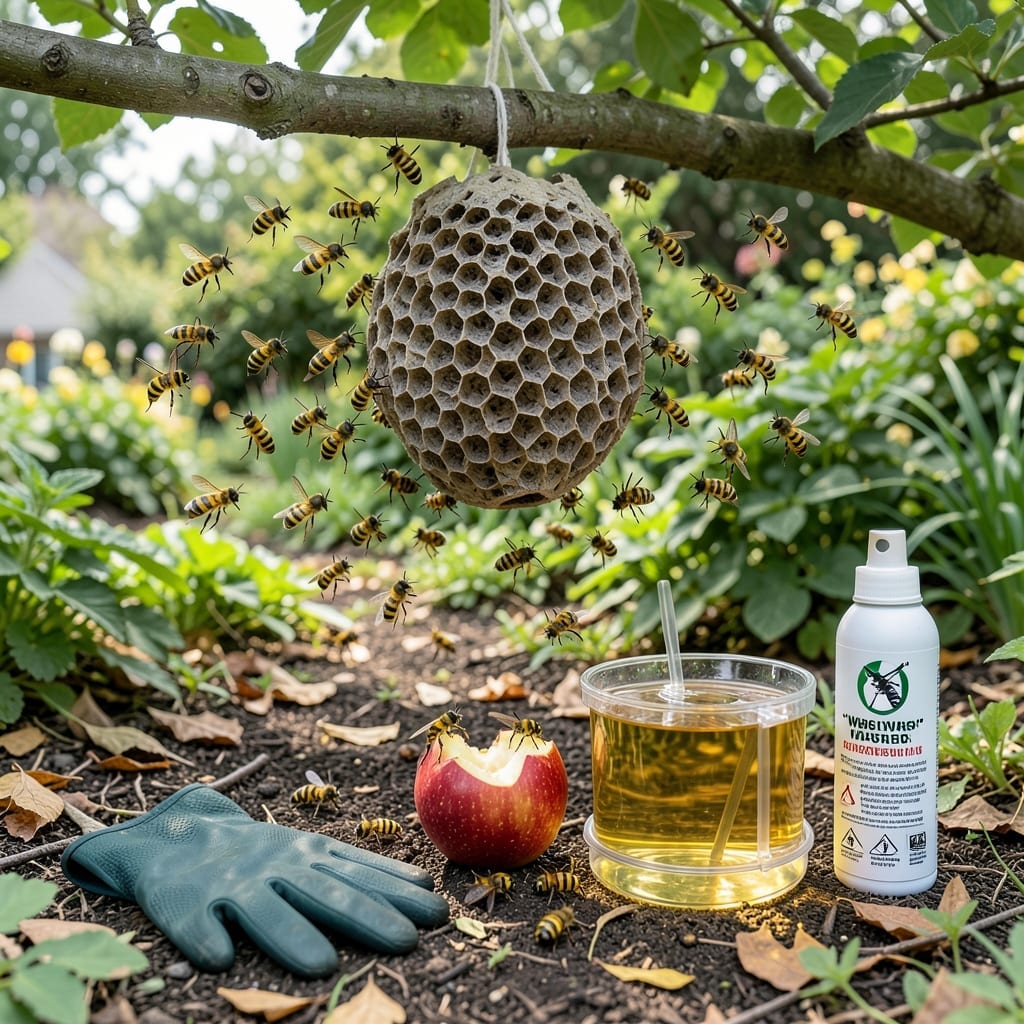
Late summer buzzing ruined my garden parties last year. Yellow jackets swarmed my fruit trees and picnic area, turning peaceful afternoons into battle zones.
I learned these aggressive wasps thrive in gardens with food sources and undisturbed nesting sites. They’re drawn to sugary fruits, open trash, and even pet food left outside.
The solution involves 3 key strategies: removing attractants, sealing entry points, and using targeted traps. This approach works without harsh chemicals.
Within 48 hours, you’ll notice fewer wasps. Full control takes about 2 weeks with consistent effort, letting you reclaim your outdoor space safely.
Understanding why yellow jacket populations explode can help you prevent them. These aggressive wasps thrive under specific conditions, often tied to human activity or environmental factors. Below are the primary causes behind their unwelcome presence.
Yellow jackets are scavengers, drawn to proteins and sugars—especially in late summer and fall. Unsecured garbage, pet food left outdoors, or uncovered picnic leftovers act like a buffet. Open trash bins and spilled sodas are top attractions, signaling a food-rich environment for colony growth.
These pests seek sheltered, dry spaces to build nests. Common hotspots include wall voids, attics, underground burrows, or even dense shrubbery. Overgrown yards or cluttered storage areas provide both camouflage and protection, encouraging queens to establish new colonies.
Mild winters and early springs allow more queens to survive and reproduce. A single fertilized queen can lay thousands of eggs, and prolonged warmth accelerates the colony’s expansion. Drought conditions also reduce natural predators, giving yellow jackets a competitive edge.
Like all living creatures, yellow jackets need water. Standing water from leaky faucets, birdbaths, or poor drainage systems can sustain large colonies. Even moist soil or puddles in your yard may be enough to support their hydration needs.
Dealing with a yellow jacket infestation? Here’s how to tackle it head-on, with practical fixes for every scenario.
If you spot a nest buried in your yard, act at dusk or dawn when yellow jackets are less active. Use a pesticide dust labeled for ground-nesting wasps. Apply it directly into the nest entrance, then cover the area with soil. Pro tip 💡: Wear protective clothing and retreat slowly after treatment to avoid provoking them.
For nests in walls, attics, or eaves, aerosol wasp sprays with a long-range jet are your best bet. Spray the entrance thoroughly at night, then seal the opening with caulk or foam the next day. Prevention ✨: Inspect your home’s exterior in early summer and seal cracks or gaps where queens might build new nests.
Yellow jackets crash picnics for protein and sugar. Fix it fast by setting up bait traps (meat or sweet liquids) away from your seating area. Empty and refresh traps weekly. Prevention 🎯: Keep food covered, clean up spills immediately, and use fans—yellow jackets avoid strong breezes.
Prefer eco-friendly methods? A soapy water spray (1 part dish soap to 4 parts water) can drown workers on contact. For nests, pour boiling water into the entrance at night (repeat as needed). Pro tip 🌡️: Plant mint or wormwood near patios—their scent repels yellow jackets.
Always exercise caution—these insects can sting repeatedly. If the nest is large or in a hard-to-reach spot, call a pest control professional.
Open food sources like pet bowls, unsecured trash, and fallen fruit draw them in. Standing water and undisturbed areas like overgrown shrubs also create ideal conditions for nesting.
They peak in late summer and early fall when colonies are largest. Avoid outdoor activities during midday when they’re most aggressive and foraging for food.
Treat nests at dusk or dawn when they’re less active. Use protective gear and targeted sprays, then seal entry points. For large nests, call a professional.
Yes! Planting mint, wormwood, or citronella can deter them. A soapy water spray kills on contact, but may need repeated applications for full control.