
Beautiful Plants For Your Interior
Beautiful Plants For Your Interior
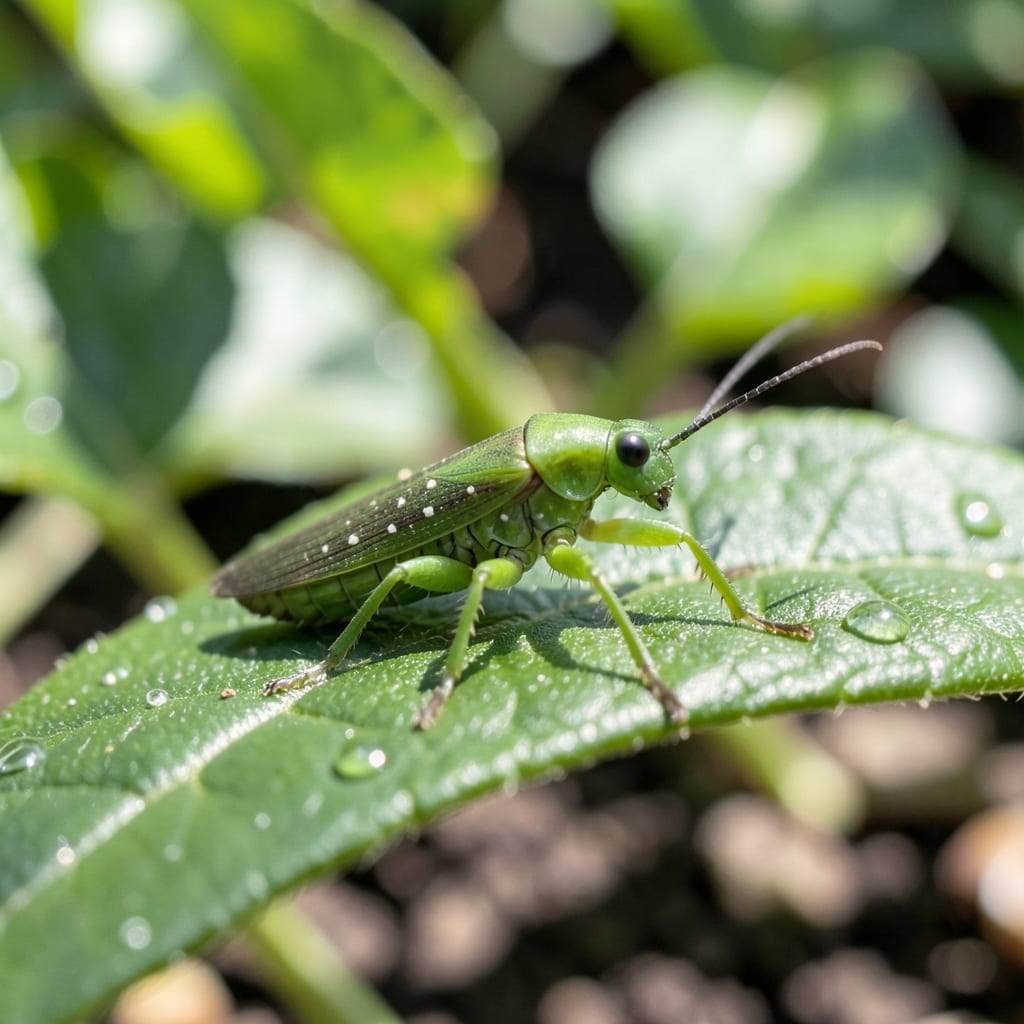
Leafhoppers are tiny, wedge-shaped insects that feed on plant sap, often causing stunted growth, curled leaves, and spreading diseases among crops and garden plants.
I’ve spotted these pests in my own garden—they’re agile jumpers that move sideways when disturbed, making them tricky to catch. 🌟 Their damage often looks like white speckling on leaves, which is actually their shed skins and waste. These insects thrive in warm weather and can quickly multiply, so early detection is key to protecting your plants.
💡 In This Article
These pests measure just 1/8 to 1/4 inch long, with slender, wedge-shaped bodies that taper toward the rear. Their coloration varies dramatically—some appear bright green or yellow, while others sport brown, black, or even iridescent blue hues. This camouflage helps them blend into foliage, making visual detection challenging. 🔥
Leafhoppers possess powerful hind legs adapted for explosive jumping, allowing them to leap 20 times their body length when threatened. They move sideways in a crab-like motion, a distinctive behavior that distinguishes them from similar pests. Their wings are transparent with visible veins, enabling strong flight capabilities between plants.
These insects use piercing-sucking mouthparts to extract plant sap, injecting saliva that disrupts cellular function. This feeding process creates the characteristic stippling pattern on leaves, where tiny white or yellow spots appear as plant cells collapse. The damage often starts on leaf undersides before becoming visible on the surface. ✨
Their life cycle is rapid: females lay 2-10 eggs per day directly into plant tissue, where they hatch in 7-10 days. Nymphs resemble miniature adults without wings, molting 4-5 times over 2-3 weeks before reaching maturity. This quick reproduction allows populations to explode during warm seasons.
What’s particularly fascinating is their ability to transmit plant pathogens. As they feed, leafhoppers can acquire and spread viral, bacterial, and fungal diseases between plants, including devastating crops like potatoes, grapes, and alfalfa. This vector capability makes them economically significant pests in agriculture. 💫
Leafhopper eggs are tiny, white to pale yellow, and elongated. They’re inserted into plant tissue, often on leaf undersides or stems. At just 1-2mm long, they’re nearly invisible without magnification.
Their powerful hind legs store energy like a spring, allowing explosive jumps up to 20 times their body length. This helps them escape predators and quickly move between plants for feeding.
Look for white stippling on leaves, curled edges, and sticky honeydew. Unlike aphids, leafhoppers move quickly when disturbed and leave a distinctive crab-like jumping pattern.
They’re most active during warm, sunny days between 80-90°F. Early morning and late afternoon are peak times. Their activity drops significantly during cool or rainy weather.
They favor potatoes, roses, grapes, and many vegetable crops. Leafhoppers are especially drawn to plants with tender new growth and high sap content.