
Beautiful Plants For Your Interior
Beautiful Plants For Your Interior
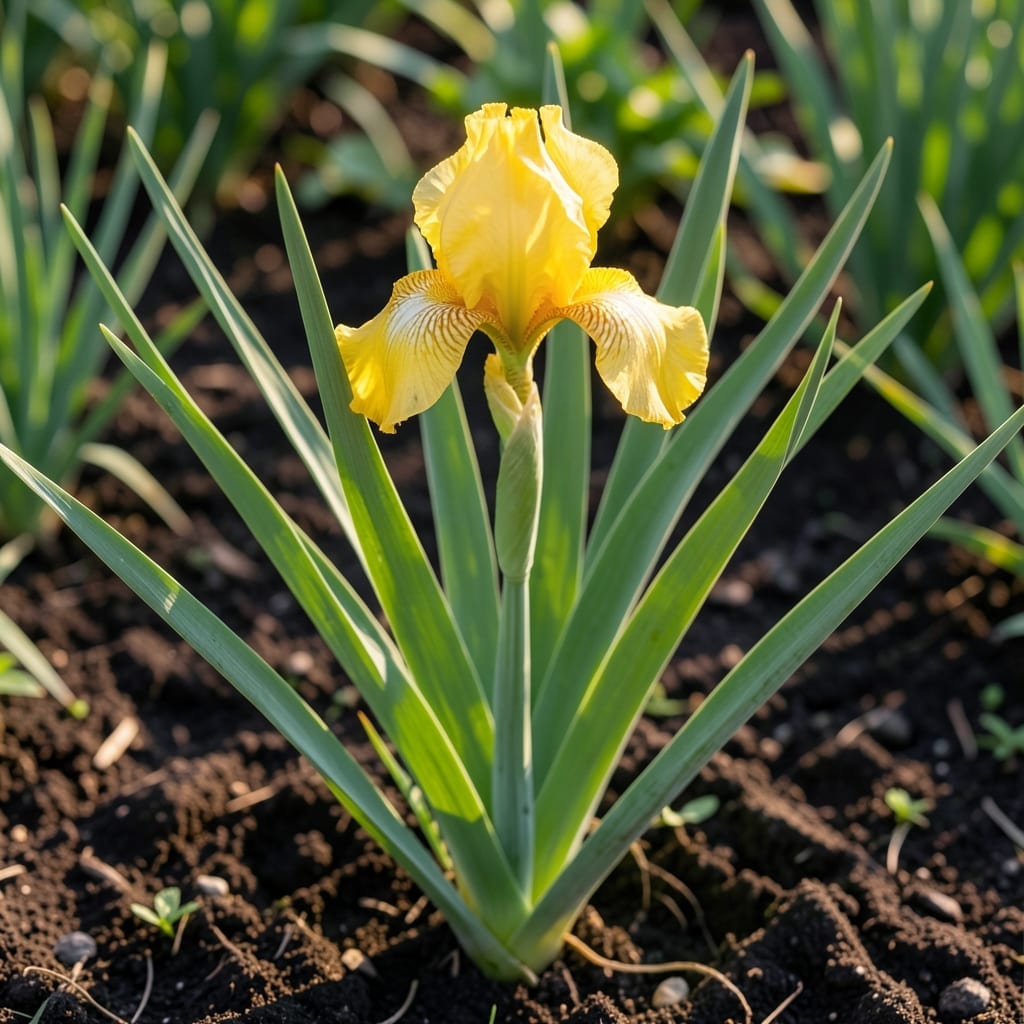
Yellow iris leaves with brown tips signal your plants need help. I’ve seen this happen in my garden after heavy rains or when I got too eager with the watering can.
The usual suspects are overwatering, poor drainage, or nutrient imbalances. Sometimes pests or fungal issues sneak in, but the good news is most causes are fixable with small adjustments.
You’ll notice recovery within 2-3 weeks once conditions improve. Trim damaged leaves to redirect energy, and check soil moisture before watering again.
Prevent future issues by planting in well-draining soil and avoiding overhead watering. Simple changes make a big difference.
The yellowing of iris leaves is often a sign of underlying stress or imbalance. Below are the most common causes, each with a clear explanation to help you diagnose the issue.
Irises thrive in well-drained soil. When roots sit in waterlogged conditions, they suffocate and rot, leading to chlorosis (yellowing). This happens because excess water displaces oxygen in the soil, preventing roots from absorbing essential nutrients like iron and nitrogen. Action: Check soil moisture before watering—irises prefer slightly dry conditions over soggy ones.
Yellow leaves often signal a lack of nitrogen (uniform yellowing) or iron (yellowing between veins, called interveinal chlorosis). Nitrogen supports leaf growth, while iron is critical for chlorophyll production. Sandy or alkaline soils (pH > 7.0) can lock out iron, making it unavailable to the plant. Action: Test soil pH and amend with sulfur or chelated iron if needed. A balanced fertilizer can restore nitrogen levels.
While irises love sunlight, intense heat (especially in zones 8+) can scorch leaves, turning them yellow or brown at the tips. This is a defense mechanism—leaves sacrifice themselves to protect the rhizome. Action: Provide afternoon shade in extreme heat or mulch around the base to retain moisture and cool the roots.
Iris borers (larvae of a moth) tunnel into rhizomes, disrupting nutrient flow and causing yellow, wilted leaves. Bacterial soft rot or fungal infections (like Didymellina macrospora) also trigger discoloration. Action: Inspect rhizomes for holes or mushy spots. Remove affected parts and treat with neem oil or copper fungicide. Divide clumps every 3–4 years to improve air circulation.
When your iris leaves start turning yellow, don’t panic—there are clear fixes for every common cause. Here’s your step-by-step guide to restoring healthy, vibrant foliage.
Fix: Stop watering immediately and check the soil. If it’s soggy, improve drainage by amending the soil with compost or sand. For potted irises, ensure the container has drainage holes. Let the top inch of soil dry out before watering again.
Prevention: Water deeply but infrequently (about once a week) and always use well-draining soil. Avoid letting irises sit in waterlogged areas.
Fix: Yellowing often signals a lack of nitrogen or potassium. Apply a balanced, slow-release fertilizer (10-10-10) in early spring. For a quick boost, use a liquid fertilizer diluted to half strength.
Prevention: Feed irises annually in early spring before new growth starts. Avoid over-fertilizing, which can burn roots and worsen the issue.
Fix: If leaves are scorched (brown tips with yellow edges), provide afternoon shade with a sheer cloth or relocate to a spot with dappled sunlight. For leggy, pale yellow leaves, move the plant to a sunnier location (6+ hours of sunlight daily).
Prevention: Plant irises in a spot with full sun to partial shade, depending on your climate. In hot regions, afternoon shade helps prevent stress.
Fix: Inspect leaves for pests like aphids or iris borers. Spray with neem oil or insecticidal soap for small infestations. For fungal diseases (e.g., leaf spot), remove affected leaves and apply a copper-based fungicide.
Prevention: Keep the garden clean by removing debris where pests and fungi thrive. Space plants for good airflow, and avoid overhead watering.
Fix: Dig up the iris rhizomes every 2–3 years to thin them out. Replant the healthiest rhizomes, spacing them 12–24 inches apart. Discard any soft or rotten ones.
Prevention: Divide clumps regularly to prevent overcrowding, which can lead to competition for nutrients and water.
Once leaves turn yellow, they typically won’t recover their green color. Focus on fixing the underlying issue to prevent new leaves from yellowing.
Water deeply but infrequently, about once a week. Always check soil moisture first—irises prefer slightly dry conditions over soggy ones.
A balanced, slow-release fertilizer like 10-10-10 works well. Apply in early spring before new growth starts.
Yes, trim yellow or brown leaves at the base to redirect energy to healthy growth. This also improves air circulation around the plant.