
Beautiful Plants For Your Interior
Beautiful Plants For Your Interior
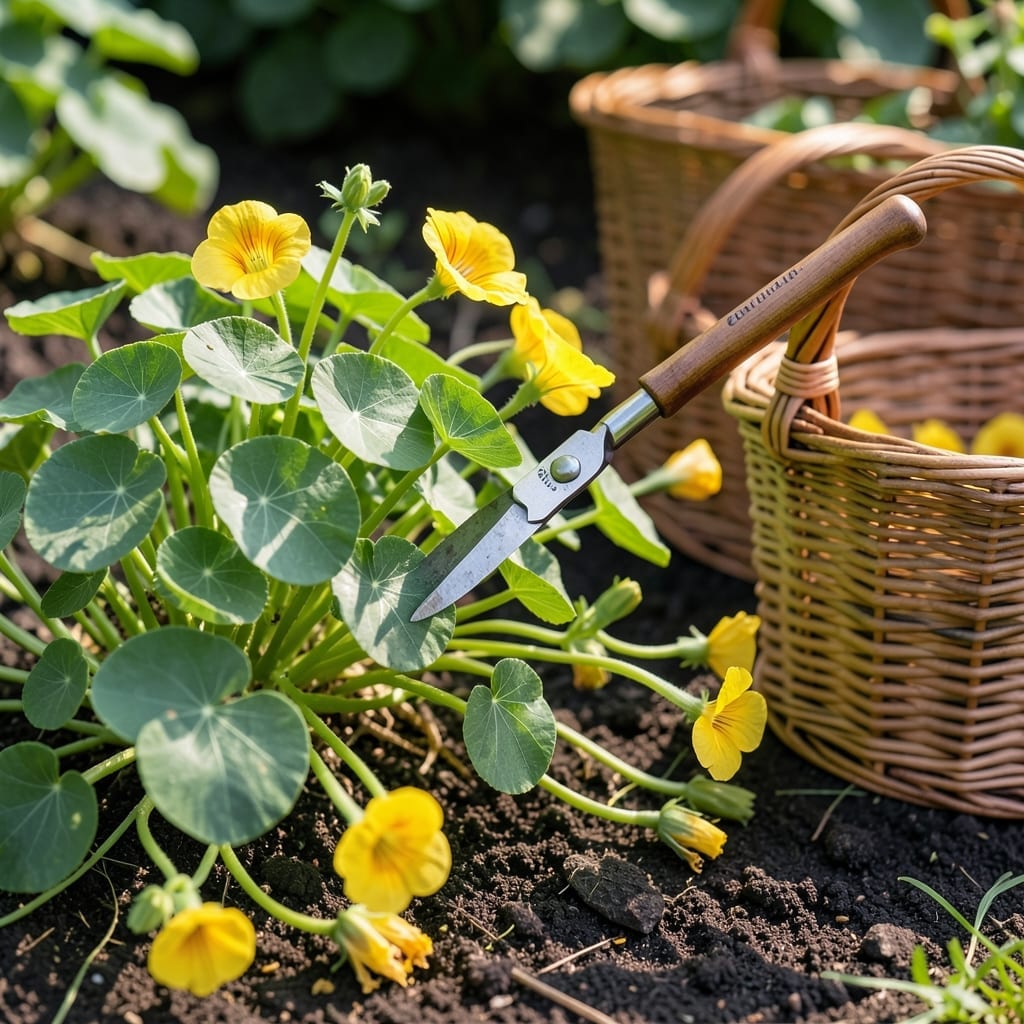
Sunshine on a plate starts in your garden. I grow yellow flowers that double as kitchen ingredients, adding color and peppery flavor to meals without the grocery store markup.
Nasturtiums and calendula lead the pack—both thrive with minimal care and produce edible blooms all season. A handful of seeds, a patch of soil, and 6-8 weeks later you’re snipping petals for salads or garnishes.
These flowers taste as good as they look, with flavors ranging from sweet to spicy. The key is harvesting at peak freshness, usually mid-morning after dew dries but before afternoon heat sets in.
Perfect for beginners, container gardens, or filling gaps in established beds. Let’s get these growing.
Edible flowers, like many yellow blooms, owe their culinary potential to a mix of biological and evolutionary factors. Here’s why some flowers are safe—and delicious—to eat:
Many plants produce flowers with mild, non-toxic compounds to attract pollinators like bees and butterflies. These same compounds often make the petals palatable for humans. For example, Calendula officinalis (pot marigold) contains antioxidants and anti-inflammatory properties, which evolved to protect the plant but also make it edible and beneficial.
Flowers designed to lure pollinators often develop sweet or mildly flavored petals. Bees and other insects are drawn to nectar-rich, non-bitter blooms, which coincidentally align with human taste preferences. Dandelions (Taraxacum officinale) are a prime example—their bright yellow petals are slightly sweet, a trait that evolved to entice pollinators.
Over centuries, humans have selectively bred plants for both beauty and edibility. Varieties like Nasturtium (with its peppery yellow blooms) were cultivated not just for their looks but also for their culinary uses. This intentional selection process has resulted in flowers that are as safe as they are visually appealing.
Some flowers lack the toxic alkaloids or glycosides found in their inedible counterparts. For instance, Squash blossoms (often yellow) are free from the cucurbitacins that make other parts of the plant bitter and harmful. Additionally, cooking or drying certain flowers can neutralize mild irritants, making them safe to consume.
Growing edible yellow flowers like nasturtiums, calendula, or daylilies can be rewarding, but a few common problems might arise. Here’s how to troubleshoot and prevent them to keep your garden thriving. 🌼
Overwatering or underwatering can stress your plants, leading to wilting or yellow leaves. Check the soil—if it’s soggy, cut back on water and ensure good drainage. If it’s bone-dry, water deeply but less frequently. Prevention tip: Mulch around the base to retain moisture and keep roots cool. 💡
Aphids and slugs love tender flower petals. Spray with a mix of water and mild soap to deter aphids, or set up beer traps for slugs. For a long-term fix, encourage beneficial insects like ladybugs by planting companion herbs like dill or fennel. Prevention tip: Inspect plants regularly and remove pests by hand when spotted early. 🎯
If your yellow flowers aren’t blooming, they might need a nutrient boost. Use a balanced, organic fertilizer or amend the soil with compost. Avoid high-nitrogen fertilizers, which promote leafy growth over flowers. Prevention tip: Deadhead spent blooms to encourage continuous flowering. ✨
Too much direct sunlight can scorch delicate petals, especially in hot climates. Move potted plants to partial shade or use shade cloth for in-ground flowers during peak afternoon hours. Prevention tip: Plant in locations with morning sun and afternoon shade for optimal growth. 🌡️
For most edible yellow blooms like nasturtiums and calendula, the petals are the safest and most flavorful part. Remove the bitter green sepal at the base. Always avoid the stems and leaves unless specifically confirmed as edible for that variety.
Gently rinse petals under cold water and pat dry with a paper towel. Use whole for garnishes or chop for salads. Avoid washing until ready to use, as moisture speeds up wilting.
Never consume flowers from florists, as they’re often treated with pesticides not approved for food crops. Only eat blooms you’ve grown organically or purchased as certified edible from a nursery.
Place unwashed petals in a single layer on a paper towel inside an airtight container. Refrigerate for up to 3 days. For longer storage, dry petals completely and keep in a cool, dark place.