
Beautiful Plants For Your Interior
Beautiful Plants For Your Interior
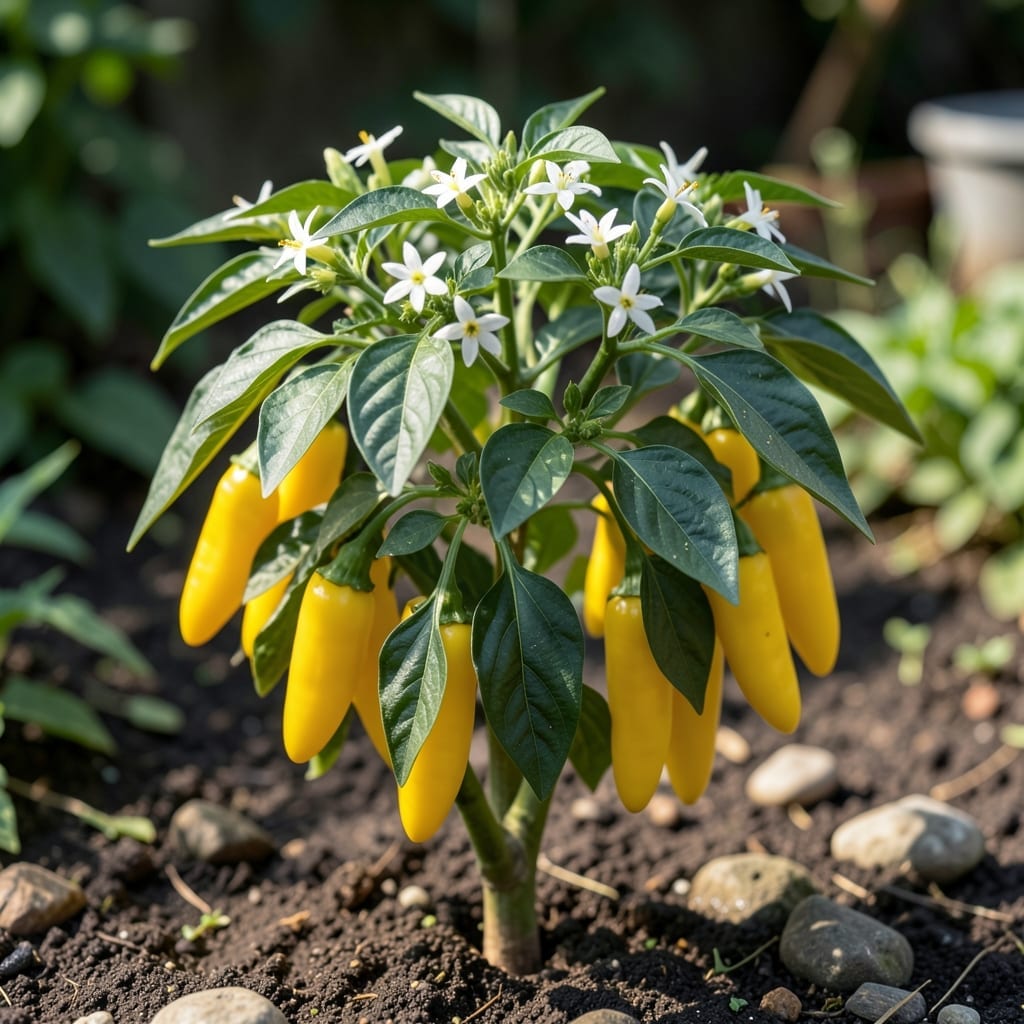
This pepper packs serious heat and color that transforms any garden. I first grew Yellow Fever for its shocking yellow pods and intense flavor, and it quickly became a favorite for its reliability and productivity.
The plants thrive in full sun and well-draining soil, producing peppers that start pale yellow and deepen to a fiery gold. They handle heat better than most varieties, making them perfect for summer gardens in warm climates.
You’ll get a steady harvest from midsummer until frost, with each plant yielding dozens of 2-inch peppers. The flavor is fruity and citrusy at first, building to a delayed, lingering heat that sneaks up on you.
Start seeds indoors 8-10 weeks before your last frost for the best results. Once established, they’re surprisingly low-maintenance and drought-tolerant.
The yellow fever pepper may develop its distinctive yellowing due to several underlying causes, often tied to environmental stress, pathogens, or nutritional deficiencies. Below are the primary factors that trigger this condition in pepper plants.
A lack of essential nutrients, particularly nitrogen, magnesium, or iron, can cause leaves to turn yellow. Nitrogen deficiency typically starts in older leaves, while magnesium or iron shortages often appear as interveinal chlorosis (yellowing between veins). Soil testing and targeted fertilization can correct these imbalances.
Excess moisture or compacted soil restricts root oxygen uptake, leading to root rot and nutrient absorption issues. Symptoms include yellowing leaves, wilting, and stunted growth. Ensure well-draining soil and adjust watering to keep the roots healthy but not waterlogged.
Pathogens like Tobacco Mosaic Virus (TMV) or fungal diseases (e.g., Phytophthora) can induce yellowing, often accompanied by spots, lesions, or leaf curl. Remove infected plants, practice crop rotation, and apply fungicides preventatively to mitigate spread.
Extreme temperatures, sudden cold snaps, or excessive sunlight can shock pepper plants, causing leaf discoloration. Provide shade during heatwaves and use row covers to protect against unseasonable chills.
Growing Capsicum annuum ‘Yellow Fever’ peppers can be rewarding, but even the most attentive gardeners face challenges. Below are practical solutions to common issues, paired with prevention tips to keep your plants thriving.
Fix: Spray plants with a mix of 1 tsp neem oil + 1 quart water + a few drops of dish soap every 5–7 days until pests disappear. For severe infestations, introduce ladybugs or lint-free insecticidal soap.
Prevention: Inspect leaves weekly (especially undersides) and remove debris around plants. Companion planting with marigolds or basil can deter pests naturally. 💡 Pro tip: Avoid over-fertilizing with nitrogen, which attracts aphids.
Fix: Remove affected peppers immediately to redirect energy. Amend soil with crushed eggshells or calcium nitrate and water consistently to maintain moisture levels.
Prevention: Test soil pH (aim for 6.0–6.8) and add gypsum if calcium is deficient. Mulch with straw to retain even moisture. 🎯 Consistency is key—avoid drought stress followed by overwatering.
Fix: Yellow lower leaves often signal nitrogen deficiency—apply a balanced fertilizer (10-10-10). If upper leaves yellow, suspect magnesium deficiency; use Epsom salt spray (1 tbsp per gallon of water).
Prevention: Start with nutrient-rich compost at planting. Rotate crops annually to prevent soil depletion. ✨ Regular foliar feeding with seaweed extract boosts overall health.
Fix: Ensure plants get 8–10 hours of sunlight daily. If temperatures drop below 70°F (21°C), use row covers or move pots indoors. Hand-pollinate by gently shaking plants or using a soft brush.
Prevention: Plant in well-draining soil and avoid overcrowding (space plants 18–24 inches apart). Prune suckers to focus energy on fruit production. 🌱 Start seeds indoors 8–10 weeks before the last frost for a head start.
They typically range from 30,000-50,000 Scoville Heat Units, similar to a cayenne. The heat builds slowly, starting fruity before the spice kicks in.
Pick when peppers turn bright yellow and feel firm, usually 70-80 days after transplanting. Leaving them longer deepens the color but may increase heat intensity.
Use well-draining soil with compost mixed in. Aim for a pH of 6.0-6.8. These plants thrive in warm soil above 70°F.