
Beautiful Plants For Your Interior
Beautiful Plants For Your Interior
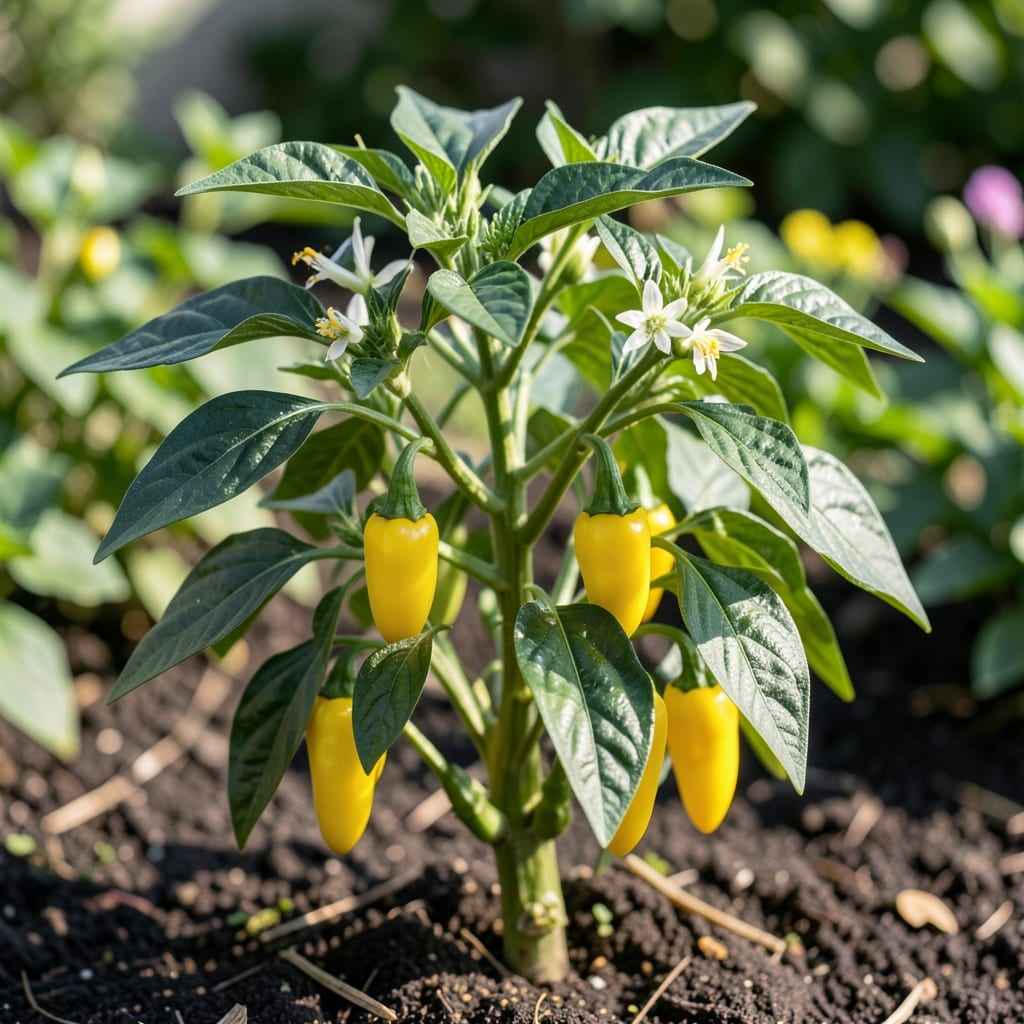
Bright yellow peppers add a pop of color and mild heat to any garden. I’ve grown these for years, and they’re surprisingly low-maintenance once you get the basics right.
They thrive in full sun and well-draining soil, but the real secret is consistent watering—too much or too little stunts their growth. Start seeds indoors 8-10 weeks before the last frost for a head start.
You’ll see the first yellow blooms in 6-8 weeks, followed by peppers that ripen from green to vibrant yellow. The plants are compact, making them perfect for containers or small garden spaces.
Whether you want to spice up your dishes or just enjoy the cheerful color, these peppers deliver. Let’s get them growing!
Chili peppers turning yellow can be alarming, but understanding the causes helps you take corrective action. Below are the most common reasons, explained with clear, science-backed insights.
A lack of essential nutrients, particularly nitrogen or magnesium, often triggers yellowing. Nitrogen deficiency starts in older leaves, causing uniform yellowing, while magnesium deficiency appears as yellow patches between leaf veins. Conduct a soil test to identify gaps and amend with a balanced fertilizer or Epsom salt for magnesium.
Excess water suffocates roots, reducing their ability to absorb nutrients. This leads to chlorosis (yellowing) due to oxygen deprivation. Ensure pots have drainage holes and use well-draining soil. Water only when the top inch of soil feels dry.
Sap-sucking pests like aphids or spider mites drain plant fluids, causing yellow spots or mottling. Inspect leaf undersides for tiny insects or webbing. Treat with neem oil or insecticidal soap to restore plant health.
Extreme heat, cold drafts, or sudden light changes can stress peppers, leading to yellowing. Acclimate plants gradually to new conditions and provide shade during peak afternoon heat if temperatures exceed 90°F (32°C).
Addressing these issues early keeps your chili plants vibrant and productive.
Addressing problems with your yellow chili peppers can be straightforward if you know the cause. Below are practical solutions to common issues, along with prevention tips to keep your plants thriving.
If you notice aphids or mites, spray the plants with neem oil or insecticidal soap. For severe infestations, remove affected leaves and dispose of them properly.
Prevention: Regularly inspect the undersides of leaves and encourage beneficial insects like ladybugs.
High temperatures or inconsistent watering can cause flowers to fall off. Maintain even moisture by watering deeply once or twice a week, and provide afternoon shade in extreme heat.
Prevention: Mulch around the base to retain soil moisture and regulate temperature.
If your plants bloom but don’t produce peppers, hand-pollinate by gently shaking the plants or using a small brush to transfer pollen between flowers.
Prevention: Plant in a sunny spot with good air circulation to attract pollinators.
This often signals nutrient deficiencies. Test your soil and amend with a balanced fertilizer or compost. Overwatering can also cause yellowing—ensure proper drainage.
Prevention: Feed plants with a nitrogen-rich fertilizer early in the season, then switch to phosphorus-potassium as they flower.
Under ideal conditions, seeds typically germinate in 7-14 days. Keep soil consistently moist at 70-80°F for best results.
Yes! Use a 5-gallon pot with drainage holes and well-draining soil. They thrive on balconies or patios with 6-8 hours of sunlight.
Blossom end rot, often from calcium deficiency or uneven watering, causes this. Maintain consistent moisture and add crushed eggshells to soil.
Pick when fully yellow and firm, usually 70-90 days after transplanting. Use clean shears to avoid plant damage.