
Beautiful Plants For Your Interior
Beautiful Plants For Your Interior
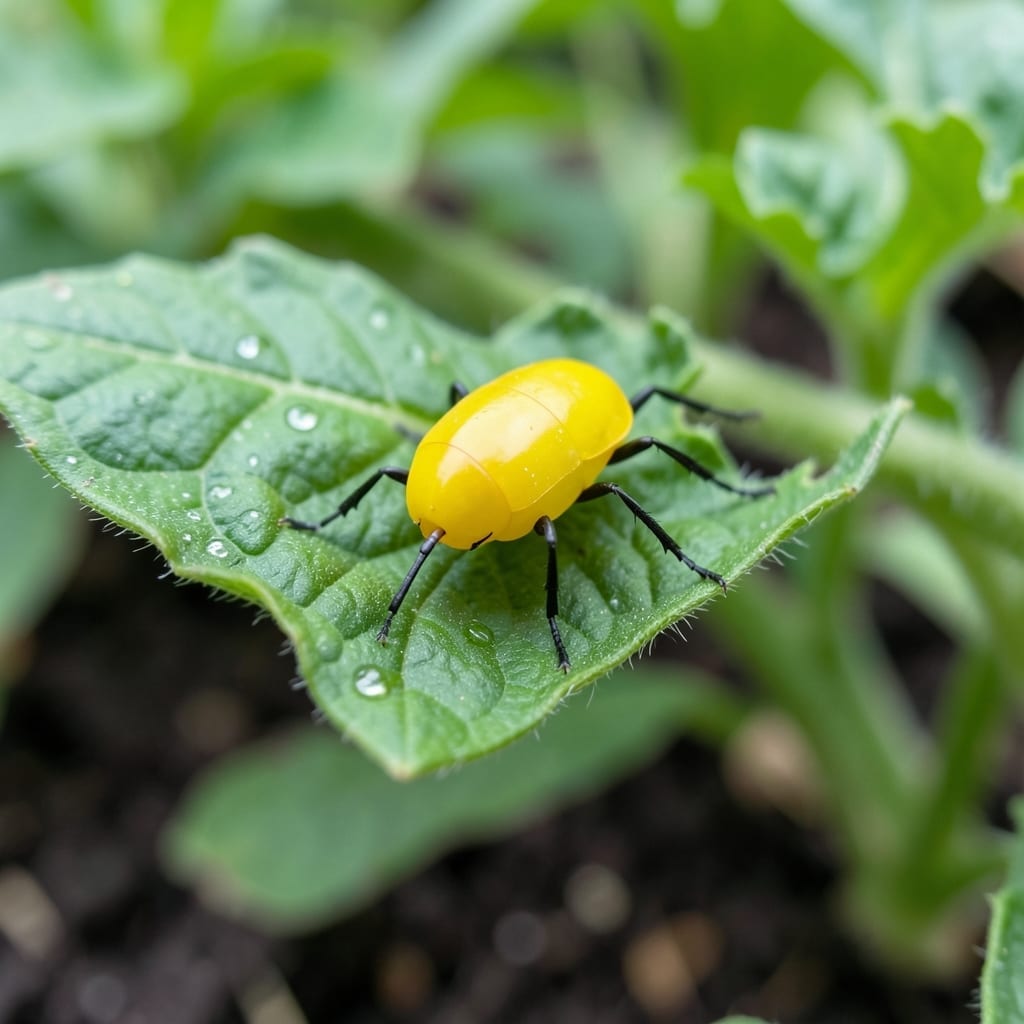
Tiny yellow dots on your leaves aren’t just unsightly—they’re stealing your plants’ life. I’ve battled these pests in my own garden and learned the hard way that early action saves entire harvests.
Most yellow bugs are aphids or spider mites, both of which multiply fast. They suck sap, weaken growth, and spread disease. The good news? They’re easy to spot with a close look at the undersides of leaves.
With the right approach, you can clear an infestation in 48 hours and keep them from coming back. Organic sprays work just as well as chemicals if you catch it early.
This method protects your plants without harming pollinators or your soil. No fancy equipment, just a sharp eye and quick response.
Yellow bugs on plants often appear due to a mix of environmental, biological, and cultural factors. Understanding the root causes helps you tackle the issue effectively. Below are the most common reasons these pests show up in your garden or indoor plants.
Many yellow bugs, like aphids and spider mites, thrive in hot, dry environments. These conditions accelerate their reproduction cycles, leading to rapid infestations. Plants under heat stress also produce more of the sugary sap (honeydew) that attracts these pests.
Plants growing too close together create a humid microclimate that yellow bugs love. Additionally, stressed or nutrient-deficient plants emit chemical signals that draw pests. Weak plants lack the natural defenses to resist infestations, making them easy targets.
Stagnant air traps moisture and heat around foliage, creating an ideal breeding ground for yellow bugs like whiteflies and scale insects. This is especially common in indoor settings or dense outdoor plantings.
In balanced ecosystems, beneficial insects like ladybugs and lacewings keep yellow bug populations in check. However, overuse of broad-spectrum pesticides can kill these predators, allowing pests to multiply unchecked.
Inconsistent watering weakens plants, making them more susceptible to infestations. Overwatering leads to root rot, which stresses the plant, while underwatering causes dry, brittle leaves that attract sap-sucking pests.
Dealing with yellow bugs on your plants doesn’t have to be a losing battle. Below are targeted solutions for common causes, paired with prevention tips to keep your greenery thriving. 🌿
If tiny yellow aphids are clustering on new growth, introduce ladybugs or lacewings—their natural predators. For a quick fix, spray plants with a mild dish soap solution (1 tsp soap per liter of water) every 3–4 days until they’re gone. Prevention tip: 💡 Encourage beneficial insects by planting marigolds or dill nearby.
These microscopic pests leave fine webbing and yellow speckling. Blast them off with a strong water spray daily for a week, or apply neem oil (mixed per label instructions) for stubborn cases. Prevention tip: 🌡️ Spider mites thrive in dry conditions—mist plants regularly or use a humidifier.
Cottony yellow clusters? Dab them with a cotton swab soaked in rubbing alcohol (70% isopropyl) for small infestations. For larger outbreaks, use systemic granules in the soil. Prevention tip: ✨ Inspect new plants thoroughly before bringing them home to avoid hitchhikers.
Yellow bugs may flock to stressed, waterlogged plants. Let the top 1–2 inches of soil dry out between waterings, and ensure pots have drainage holes. Prevention tip: 🎯 Use a moisture meter to take the guesswork out of watering.
Pro tip: Always isolate heavily infested plants to prevent bugs from spreading while treating. Consistency is key—repeat treatments as needed until all signs of pests are gone!
Check leaf undersides with a magnifying glass for tiny moving dots. True infestations often leave sticky residue or fine webbing. Compare photos online to confirm before treating.
Yes, they spread quickly to nearby plants, especially in crowded spaces. Isolate affected plants immediately and treat all foliage thoroughly. Prevents a garden-wide outbreak.
A 1 tsp dish soap per liter of water spray works for aphids. For spider mites, daily water blasts dislodge them. Always test on a few leaves first.
If DIY treatments fail after 2 weeks or plants show severe damage, consult a local nursery. They can identify exact pests and recommend stronger solutions.