
Beautiful Plants For Your Interior
Beautiful Plants For Your Interior
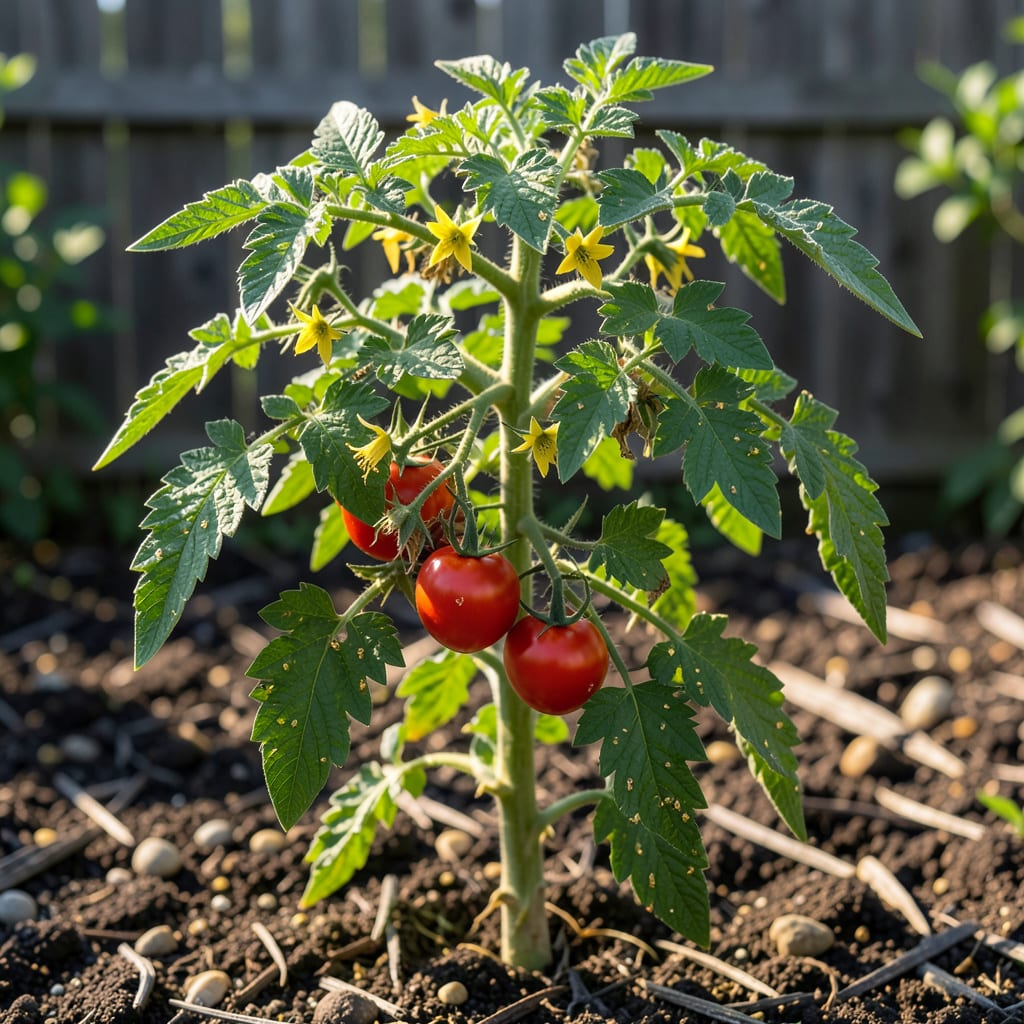
Yellow aphids are small, soft-bodied pests that cluster on plant stems and leaves, sucking sap and causing curling, yellowing, or stunted growth. They reproduce rapidly but can be controlled with natural predators, soapy water sprays, or neem oil.
These tiny invaders thrive in warm conditions and target vulnerable plants, often spreading viruses as they feed. 🌱 What makes them particularly troublesome is their ability to multiply without mating—just one aphid can produce dozens of offspring in days. I’ve seen gardens overrun when left unchecked, but the good news is they’re vulnerable to simple solutions like ladybugs (their natural enemies) or even a strong blast from your garden hose. The key is catching them early before they weaken your plants permanently.
💡 In This Article
Yellow aphids are drawn to plants like a magnet because of their piercing mouthparts, called stylets, which act like microscopic straws. These pests inject enzymes into plant tissues that break down cell walls, making it easier to suck out nutrient-rich sap.
🌱 What’s alarming is that they can reproduce without mating—a single female can birth 50-100 live nymphs in just a week, all genetically identical clones. This asexual reproduction (called parthenogenesis) allows populations to explode when conditions are right.
Their rapid spread is fueled by environmental triggers. Warmth (70-80°F) accelerates their lifecycle, while overwatering creates the soft, succulent plant growth they prefer. I’ve noticed they particularly target stressed plants—those with excessive nitrogen from over-fertilizing become aphid magnets.
Their honeydew secretions (a sticky waste product) also attract ants, which then protect aphids from predators like ladybugs, creating a vicious cycle. ✨
Here’s what most gardeners don’t realize: yellow aphids aren’t just eating your plants—they’re also spreading viruses. As they feed, they transmit pathogens like cucumber mosaic virus between plants. Their tiny size (1-3mm) allows them to hitch rides on wind currents or your clothing, quickly infesting new areas.
The worst outbreaks I’ve seen started from just a few aphids introduced on new nursery plants.
Their lifecycle has a clever survival trick: when days get shorter in fall, they produce winged forms that migrate to new hosts. These flying aphids can travel miles to find fresh plants. 💫 That’s why even indoor plants aren’t safe—aphids can enter through open windows or on cut flowers.
The key to control is disrupting this cycle before winged forms appear.
Stressed plants emit chemical signals that aphids detect from surprising distances. Studies show they can sense vulnerable plants from 10-15 feet away using their antennae. Over-fertilized plants with high nitrogen levels produce amino acids in their sap that aphids crave—like serving them a buffet.
This explains why organic gardens often have fewer aphid problems: the balanced nutrition makes plants less appealing targets.
Their color isn’t just for show—yellow aphids blend perfectly with new growth and flower buds, making early detection difficult. 🔍 I always check the undersides of leaves first, where they cluster to avoid predators. The curling leaves they cause aren’t just cosmetic damage—they create protected microclimates where aphid populations can thrive undisturbed.
A single female can produce 50-100 live nymphs in just one week without mating. These clones mature in 7-10 days, creating exponential growth. I’ve seen small infestations become full-blown outbreaks in less than 2 weeks during warm weather.
Yes, unless you break their lifecycle. Even after removal, new aphids can return via wind, ants, or contaminated tools. Consistent treatment every 3-5 days for 2-3 weeks
While vinegar can kill aphids on contact, it’s risky for plants. The acetic acid may damage leaves and doesn’t prevent reinfestation. A better DIY option is 1 tablespoon dish soap per 1 quart water—equally effective but plant-safe when rinsed properly.
Yellow aphids target tender new leaves because they’re easier to pierce and contain more nutrients. Their yellow coloration actually camouflages them among fresh growth. Check undersides daily—this is where 90% of early infestations start before spreading.
Release them at dusk when they’re naturally active and temperatures are cooler. Lightly mist plants first—the moisture encourages ladybugs to stay. Avoid midday releases; they’ll likely fly away. For 100 sq ft, use about 1,500 ladybugs for optimal coverage.
