
Beautiful Plants For Your Interior
Beautiful Plants For Your Interior
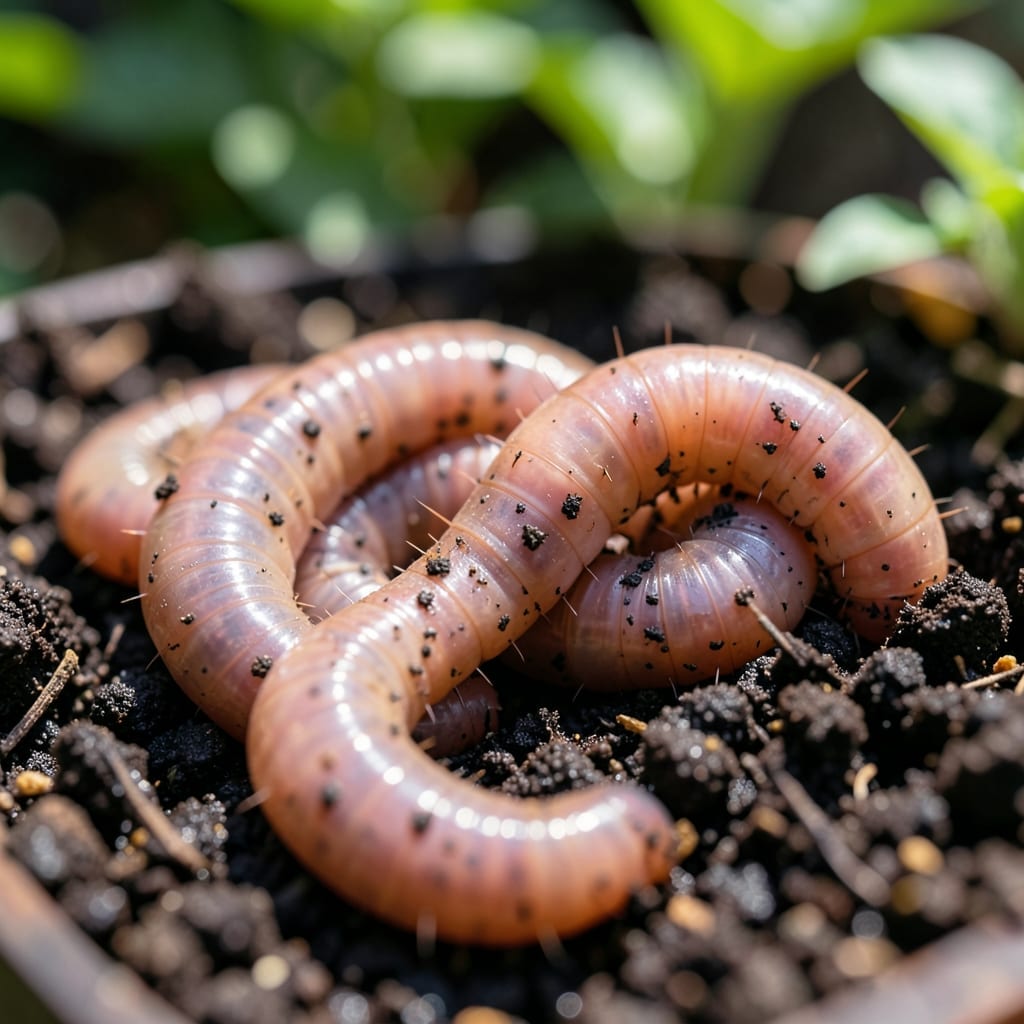
I found wriggling guests in my potting mix last spring. Tiny white worms meant my soil had become an all-you-can-eat buffet for fungus gnat larvae.
Here’s the thing—these pests thrive in damp conditions, feasting on organic matter and plant roots. They won’t kill mature plants overnight, but seedlings and cuttings? They’re goners within days if left unchecked.
I solved it with a 3-step organic approach that doesn’t harm plants or beneficial soil life. The same method prevents future infestations without harsh chemicals.
Your plants will thank you with healthier roots and faster growth once these unwelcome visitors are evicted. Let’s reclaim your potting mix.
Worms in potting mix are usually a sign of organic activity, but they can also indicate underlying issues in your soil. Here’s why they appear:
Potting mix rich in compost, peat moss, or manure attracts worms because these materials break down over time, creating a food source. Earthworms and pot worms (enchytraeids) thrive in decomposing matter, speeding up nutrient cycling. While beneficial for soil health, an overabundance can lead to over-aeration or nutrient imbalances.
Overwatering or poor drainage creates a soggy environment that worms love. Stagnant water reduces oxygen levels, but moisture-loving species like red wigglers (Eisenia fetida) can still proliferate. This is common in containers without drainage holes or those using water-retentive mixes.
If you reuse potting mix or source it from gardens, worm eggs (cocoons) or live specimens may hitch a ride. Many commercial mixes contain beneficial microbes, but unsterilized soil can introduce unwanted guests. Always pasteurize reused mix (heat to 160°F for 30 minutes) to kill pests.
Pots left outside are exposed to natural worm migration. Earthworms from surrounding soil can burrow into containers, especially if the mix touches the ground. Even indoor plants near open windows may attract tiny pot worms carried by wind or insects.
Dealing with unwanted worms in your potting mix is manageable with these practical solutions. Address each cause directly for the best results.
If excess moisture is attracting worms, let the soil dry out between waterings. Stick your finger an inch into the mix—if it feels damp, hold off. Use pots with drainage holes and empty saucers after watering to prevent soggy conditions. Prevention tip: Water only when the top inch of soil is dry. 💡
Worms thrive in decomposing matter. Remove any visible leaves, bark, or compost from the surface. Replace the top layer of potting mix with fresh, sterile soil. Prevention tip: Avoid mixing garden soil or uncomposted organic material into your potting mix. ✨
Repot plants into containers with drainage holes if yours lack them. Add a layer of gravel or perlite at the bottom to enhance drainage. Use a well-draining potting mix with ingredients like coconut coir or sand. Prevention tip: Elevate pots to prevent water from pooling underneath. 🎯
If the potting mix came pre-infested, sterilize it by baking in the oven at 200°F (93°C) for 30 minutes. For severe cases, discard the mix and repot with a fresh, high-quality bag. Prevention tip: Store unused potting mix in a sealed container to avoid contamination. 🔥
For a chemical-free approach, use beneficial nematodes (like Steinernema feltiae) to target worm larvae. Follow package instructions for application. Prevention tip: Apply nematodes in the evening for best results, as UV light can harm them. 🌡️
Not all worms are bad. Earthworms improve soil aeration, but pot worms can damage roots. Identify them first before taking action.
Look for yellowing leaves, stunted growth, or visible tunnels in the soil. These signs often mean worms are overfeeding on roots.
Vinegar can kill worms but may also harm your plants and beneficial microbes. Stick to organic methods like drying soil or nematodes.
Inspect when watering or repotting, especially if you notice slow drainage or surface activity. Early detection prevents larger infestations.