
Beautiful Plants For Your Interior
Beautiful Plants For Your Interior
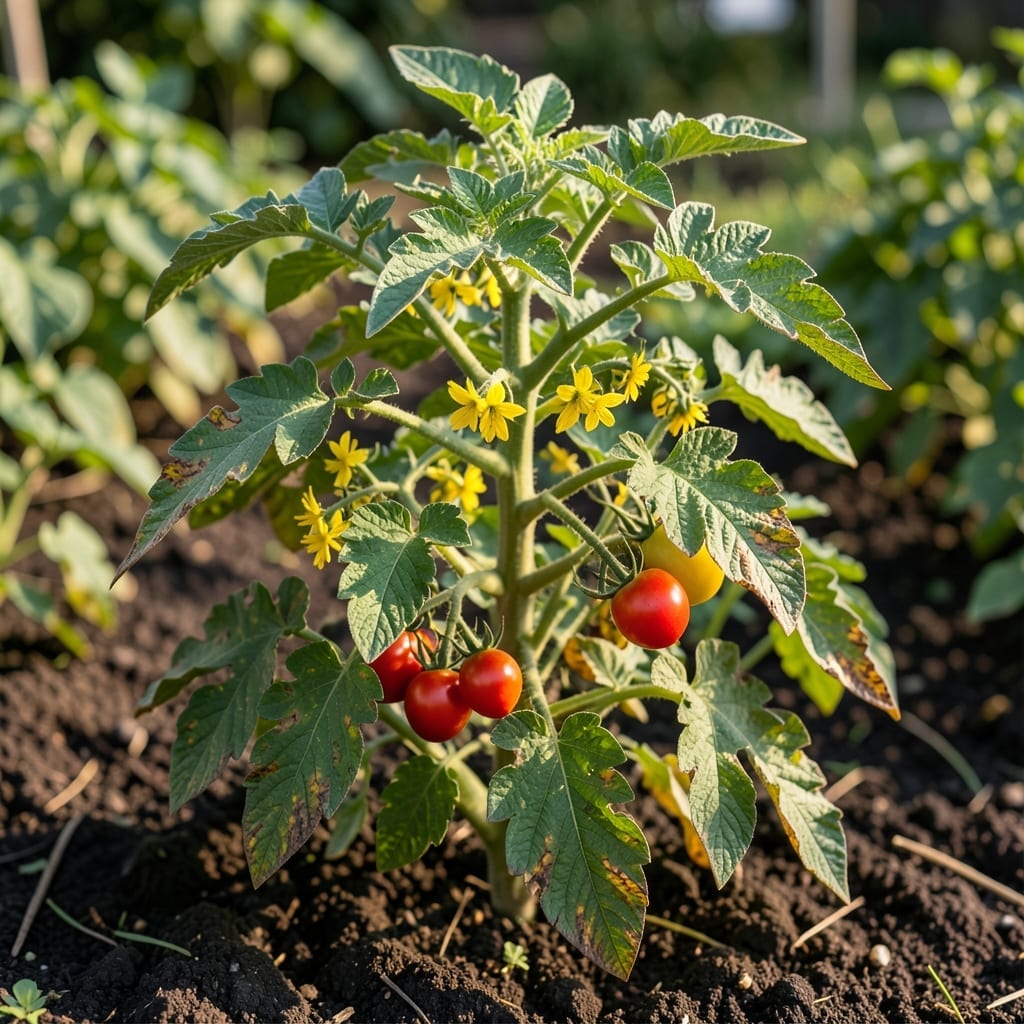
Nothing stings like watching healthy green leaves turn crisp and brown. I’ve stood in my garden more times than I care to admit, staring at withering leaves and wondering where I went wrong.
Turns out, most cases come down to just a few usual suspects: thirsty roots, uninvited pests, or a sneaky disease. Once you know what to look for, fixing it becomes a whole lot simpler.
You’ll spot the difference between drought stress and fungal spots in minutes. The remedies are straightforward—adjust water, isolate the plant, or prune the damage—and results show up fast.
Prevent it next time with consistent care and sharp eyes. Your plants will thank you with vibrant growth and full, healthy foliage.
The withering of plant leaves is a distress signal, often tied to environmental stress or biological factors. Below are the most common causes, explained with actionable insights.
Plants have optimal temperature ranges. When exposed to heat stress (above 90°F/32°C) or cold shock (near freezing), leaves lose moisture rapidly, leading to wilting. Heat disrupts cellular processes, while frost damages plant tissues. Solution: Provide shade during peak heat or move potted plants indoors during cold snaps.
Both overwatering and underwatering trigger leaf wither. Overwatering suffocates roots, preventing oxygen uptake, while drought stress reduces turgor pressure (the force that keeps leaves rigid). Solution: Check soil moisture 1-2 inches deep—water only if dry. Ensure pots have drainage holes.
Sap-sucking pests like aphids, spider mites, or whiteflies drain plant fluids, causing yellowing and wilting. Their feeding disrupts nutrient transport. Solution: Inspect leaf undersides; treat with neem oil or insecticidal soap at first signs.
Pathogens such as Phytophthora (root rot) or Pseudomonas (bacterial leaf spot) clog vascular tissues, blocking water flow. Infected leaves wilt, often with spots or lesions. Solution: Remove affected foliage, improve air circulation, and avoid overhead watering.
A lack of potassium, magnesium, or nitrogen weakens cellular structure, leading to limp or curled leaves. For example, potassium deficiency causes leaf edges to brown and wilt. Solution: Use a balanced fertilizer or amend soil based on a deficiency test.
Don’t let droopy foliage get you down—here’s how to bring your plants back to life with targeted fixes for the most common causes of leaf wither. Act fast, and your greens will bounce back in no time! 🌿✨
If the soil is bone-dry, give your plant a thorough drink. Place the pot in a sink or basin and let water run through the drainage holes for 5–10 minutes. Prevention tip: Check soil moisture by sticking your finger an inch deep—if it’s dry, it’s time to water. 💡 Pro tip: Use a moisture meter for precision!
Stop watering immediately and let the soil dry out completely. If root rot is present (black, mushy roots), trim the affected roots and repot in fresh, well-draining soil. Prevention tip: Ensure pots have drainage holes and use a mix with perlite or sand to improve aeration. 🌱
Relocate your plant to a spot with bright, indirect light. If leaves are crispy or bleached, they’ve likely been sunburned. Prevention tip: Gradually acclimate plants to brighter conditions over a week or two to avoid shock. ☀️
Keep plants away from drafts, heaters, or AC vents. Aim for a consistent temperature between 65–75°F (18–24°C). Prevention tip: Avoid sudden temperature swings by moving plants indoors before extreme weather hits. 🌡️
Wipe leaves with a damp cloth to remove pests like spider mites or aphids. For severe cases, use insecticidal soap or neem oil. Prevention tip: Inspect new plants before bringing them home and keep foliage clean. 🛡️
Yes, if caught early! Leaves often perk up within 24 hours after fixing water issues or moving plants to shade. Severely crispy leaves won’t recover, but new growth will appear with proper care.
Check the soil: dry and dusty means underwatered. Soggy soil with a foul smell signals overwatering. Underwatered leaves feel crispy, while overwatered ones appear yellow and mushy.
Localized wilting often points to pest damage or disease on specific leaves. Check undersides for pests or spots. If lower leaves wilt first, it may indicate root stress or nutrient deficiency.
Yes, trim severely damaged leaves to redirect energy to healthy growth. Use clean shears and cut at the stem base. Never remove more than 1/3 of the foliage at once.