
Beautiful Plants For Your Interior
Beautiful Plants For Your Interior
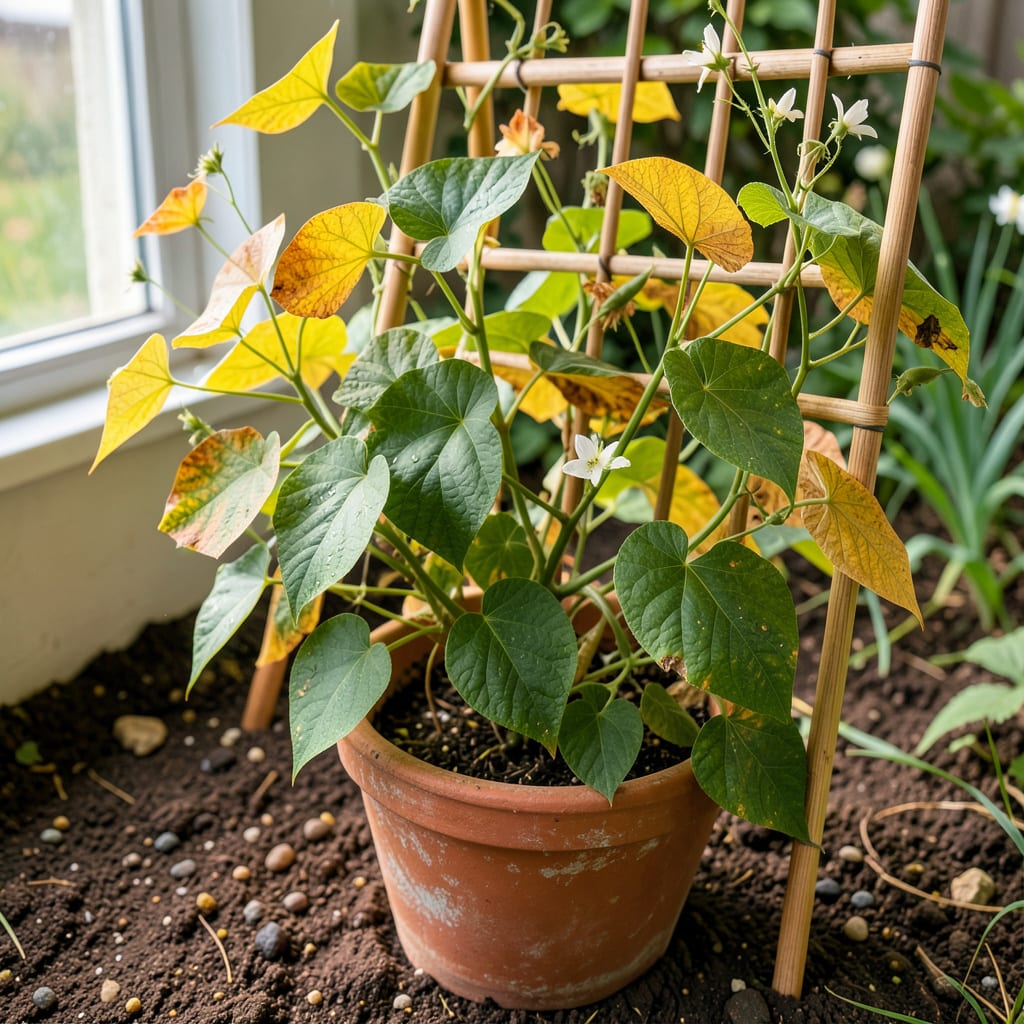
Yellow leaves on green beans always feel like a gut punch after all that work. I’ve seen this happen mid-season when plants should be thriving, and the fix often comes down to three usual suspects.
First check your watering—both drought and soggy soil cause this. Then look at nitrogen levels, since beans are heavy feeders. Don’t overlook pests hiding under leaves either.
With a quick diagnosis and the right adjustment, your plants can bounce back within 7-10 days. The key is catching it early before the problem spreads to healthy foliage.
Works for pole beans, bush beans, and even container-grown varieties. Here’s how to play plant detective.
Yellowing leaves on green bean plants, or chlorosis, often signal underlying stress. Below are the most common causes, backed by science and actionable insights.
Nitrogen, magnesium, or iron shortages disrupt chlorophyll production, turning leaves yellow. Nitrogen deficiency typically affects older leaves first, while magnesium (a mobile nutrient) causes interveinal yellowing. Iron deficiency, common in alkaline soils, yellows young leaves with green veins. Test soil and amend with organic matter or targeted fertilizers.
Excess water suffocates roots, limiting oxygen uptake and nutrient absorption. This triggers stress responses, including chlorosis. Ensure pots have drainage holes, and water only when the top inch of soil is dry. Raised beds can improve drainage in heavy clay soils.
Extreme temperatures (below 50°F or above 85°F) or sudden temperature swings disrupt metabolic processes. Heat stress accelerates leaf senescence, while cold snaps inhibit nutrient transport. Use row covers for cold protection and shade cloth during heatwaves.
Sap-sucking pests like aphids and spider mites deplete plant nutrients, causing yellowing. Fungal diseases (e.g., Fusarium wilt) or bacterial infections block water and nutrient flow. Inspect leaves for pests or spots, and treat with neem oil or copper fungicides as needed.
Reviving your green bean plants starts with pinpointing the issue and applying the right fix. Below are targeted solutions for the most common causes, paired with prevention tips to keep your plants thriving. 🌱
Fix: Reduce watering immediately and check the soil. If it feels soggy, let it dry out before watering again. Ensure pots have drainage holes or improve garden bed drainage with compost or sand. For severe cases, repot the plant in fresh, well-draining soil.
Prevention: Water only when the top inch of soil is dry. Use a moisture meter for accuracy. 💡
Fix: For nitrogen deficiency (uniform yellowing), apply a balanced fertilizer (10-10-10) or organic options like compost tea. If leaves yellow between veins (iron deficiency), treat with chelated iron or lower soil pH with sulfur. Magnesium deficiency (yellow patches) can be fixed with Epsom salt spray (1 tbsp per gallon of water).
Prevention: Test soil annually and amend with compost. Rotate crops to prevent depletion. ✨
Fix: For spider mites or aphids, spray plants with a mix of water and insecticidal soap (1 tsp per quart). Neem oil (1 tbsp per gallon) also works for broader pest control. Remove heavily infested leaves to stop the spread.
Prevention: Inspect plants weekly for pests. Encourage beneficial insects like ladybugs with companion plants like marigolds. 🎯
Fix: If leaves yellow due to excessive sun, provide afternoon shade with a cloth or relocate pots. For cold stress, cover plants with row covers or move them indoors. Adjust spacing if overcrowding is blocking airflow.
Prevention: Plant in a location with 6–8 hours of morning sun. Harden off seedlings before transplanting to avoid shock. 🌡️
Fix: Remove infected leaves and avoid overhead watering. Apply copper-based fungicides or bacterial sprays for conditions like rust or blight. Sterilize pruning tools with rubbing alcohol between cuts.
Prevention: Space plants for airflow, water at the base, and rotate crops yearly. Clean up garden debris to reduce spores. 🛡️
Water when the top 1 inch of soil feels dry. Stick your finger in the soil to check. Overwatering is a common cause of yellowing, so let soil drain completely between waterings.
Identify the cause first. For nutrient issues, use a balanced fertilizer. For pests, apply neem oil. If overwatered, stop watering and let soil dry out. Most plants recover within 7-10 days.
Severely yellow leaves usually won’t recover, but new growth will be healthy once the underlying issue is fixed. Remove the worst leaves to redirect energy to healthy foliage.
Yes, remove heavily yellowed leaves to prevent disease spread and allow the plant to focus on new growth. Use clean scissors and avoid cutting healthy stems.
