
Beautiful Plants For Your Interior
Beautiful Plants For Your Interior
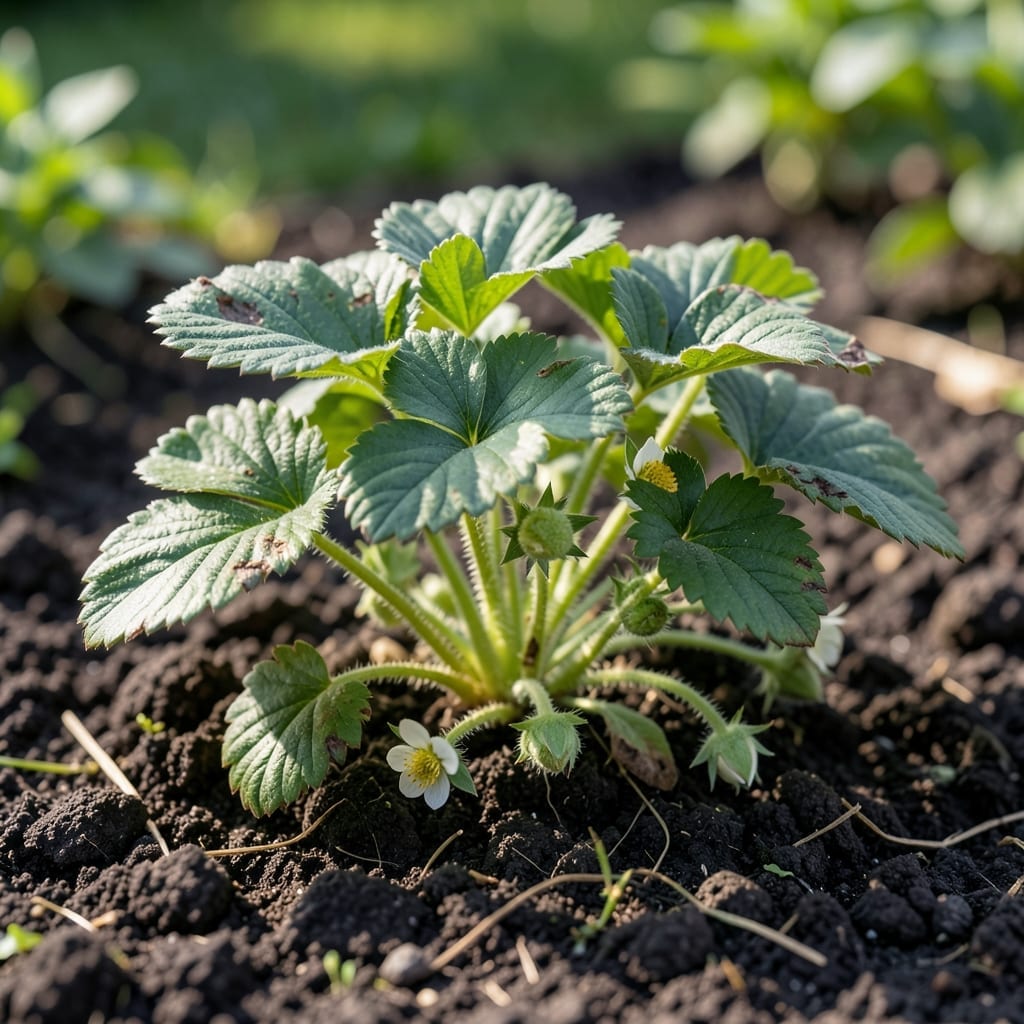
Those drooping strawberry leaves caught my eye too late last season. Wilt isn’t just ugly—it’s your plants crying for help before it’s too late to save the harvest.
I’ve seen this happen from 3 main causes: thirsty roots, soggy soil, or sneaky diseases. The good news? Each leaves a distinct clue if you know where to look.
Fixing it starts with proper diagnosis. Check the soil first—if it’s bone-dry or waterlogged, you’ve found your culprit. Most cases bounce back within 48 hours of the right treatment.
Prevention is simpler than you think. Consistent watering, good drainage, and a watchful eye keep your patch thriving all season long.
Strawberry plants with drooping or wilted leaves often signal underlying stress. Here are the most common causes, explained with actionable insights:
High temperatures (above 85°F/29°C) accelerate water loss through transpiration, overwhelming the roots’ ability to absorb moisture. Drought conditions or inconsistent watering (e.g., letting soil dry completely between waterings) exacerbate this. Fix: Water deeply at sunrise to reduce evaporation, and apply 2–3 inches of mulch to retain soil moisture.
Verticillium wilt and Phytophthora crown rot are frequent culprits. These soil-borne fungi block the plant’s vascular system, cutting off water and nutrient flow. Look for yellowing leaves that wilt suddenly, often starting with older foliage. Fix: Remove infected plants immediately, avoid overhead watering, and rotate crops to non-susceptible species (e.g., beans or lettuce) for 3–4 years.
Strawberry root weevils and nematodes damage roots, impairing water uptake. Above ground, spider mites and aphids suck sap from leaves, causing wilting and stunted growth. Fix: Introduce beneficial nematodes (e.g., Steinernema carpocapsae) for soil pests, or spray leaves with neem oil (1 tbsp per gallon of water) for foliage pests.
Soggy soil suffocates roots, leading to root rot and wilting. Strawberries need well-draining soil with a pH of 5.5–6.5. Fix: Plant in raised beds or amend heavy clay soil with compost and sand. Water only when the top 1 inch of soil feels dry.
A lack of potassium or magnesium can cause leaves to wilt and turn yellow at the edges (scorching). Strawberries are heavy feeders; nitrogen deficiency may also stunt growth. Fix: Apply a balanced organic fertilizer (e.g., 5-5-5) or side-dress with compost tea every 4–6 weeks during the growing season.
Don’t let droopy leaves steal your strawberry harvest. Below are the quickest, safest ways to nurse your plants back to health.
Pro tip 💡: Always sanitize pruners between cuts with rubbing alcohol to avoid spreading disease.
With proper watering and shade, strawberries often perk up within 24-48 hours. Morning hydration and mulch help speed up recovery.
Yes, if left untreated. Root rot from soggy soil can kill plants in 1-2 weeks. Act fast by improving drainage and reducing water.
A copper-based fungicide or baking soda spray (every 5-7 days) works well. Remove infected leaves immediately to prevent spread.
Check under leaves for aphids or mites. Root damage from weevils may appear as stunted growth. Neem oil can help control outbreaks.