
Beautiful Plants For Your Interior
Beautiful Plants For Your Interior
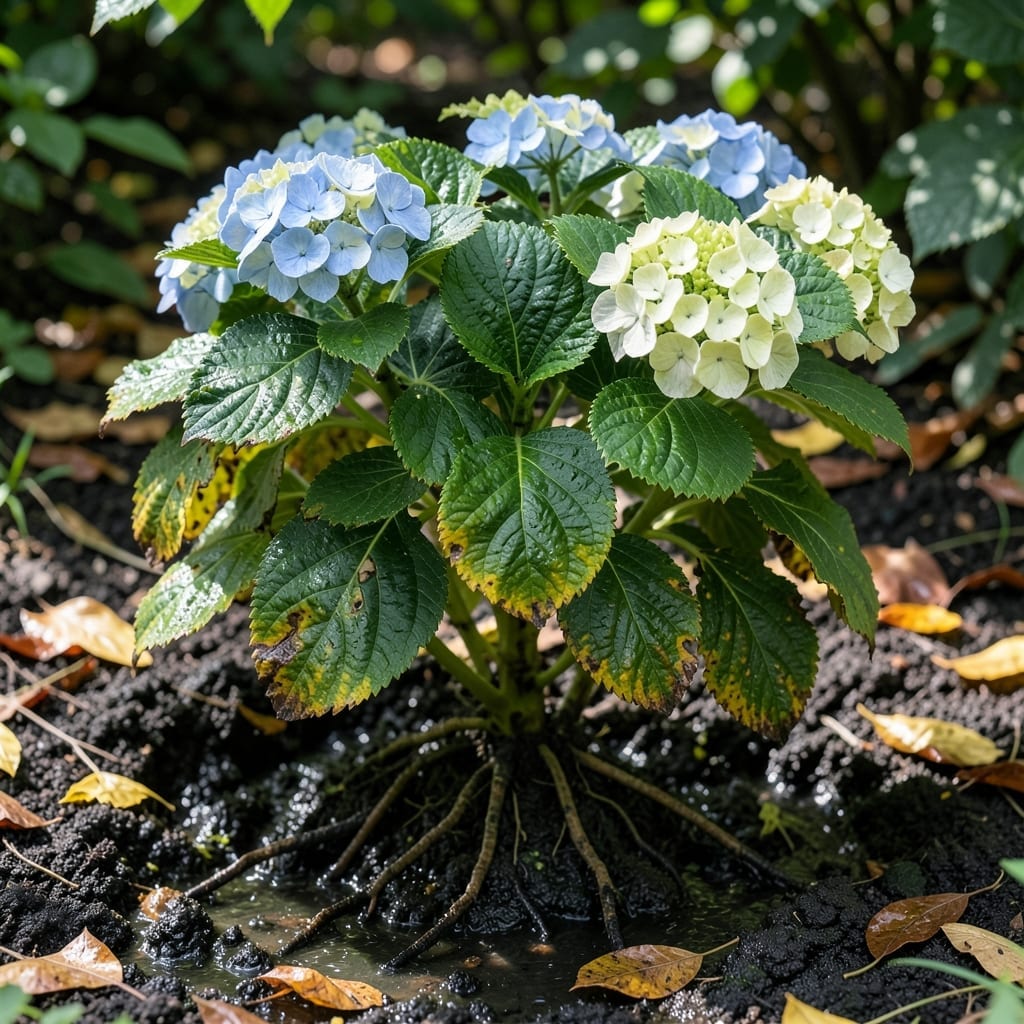
That sinking feeling when your hydrangea’s leaves suddenly droop. I’ve been there—staring at my once-thriving plant, wondering if it was too much water or not enough.
Here’s the thing—overwatered hydrangeas wilt differently than thirsty ones. The leaves turn yellow, feel soft, and drop off too easily. I learned this after nearly drowning my favorite bush last summer.
Good news: with the right root-focused steps, you can bring it back. The key is acting fast before rot sets in. I’ve revived 3 hydrangeas this way.
We’ll cover how to spot the difference, fix the issue, and keep it from happening again. Fair warning: it’s mostly about what’s happening underground.
Overwatering is the primary culprit behind a wilted hydrangea, but the underlying causes go deeper than just too much water. Here’s why it happens:
Hydrangeas thrive in well-draining soil. When overwatered, the soil becomes waterlogged, displacing oxygen in the root zone. Roots need oxygen to respire—without it, they suffocate and rot, leading to wilting as the plant can’t absorb water or nutrients. This is called hypoxia, a condition where root cells die from lack of oxygen.
Excess moisture creates the perfect breeding ground for Phytophthora, Pythium, and other water-loving fungal pathogens. These fungi attack the roots, turning them mushy and black. As the roots decay, the plant’s ability to uptake water collapses, causing the leaves to wilt even though the soil is soggy.
Overwatering doesn’t just drown roots—it leaches away essential nutrients like nitrogen, potassium, and magnesium. Even if the soil retains some nutrients, waterlogged conditions prevent roots from absorbing them. This nutrient lockout weakens the plant, making it more susceptible to wilting and disease.
Hydrangeas in overly wet soil are more vulnerable to heat stress. The combination of high humidity and poor root health disrupts the plant’s transpiration process (water movement through the plant). Without proper transpiration, leaves can’t cool themselves, leading to wilting in hot conditions.
When your hydrangea looks wilted from too much water, act fast with these targeted fixes. Each cause has a clear solution—plus tips to keep it from happening again.
If the roots are mushy or dark, they’re drowning. Stop watering immediately and let the soil dry out. Gently remove the plant from its pot or dig around the base to expose the roots. Trim away any black or soft roots with clean shears, then repot in fresh, well-draining soil. Choose a container with drainage holes or amend garden soil with perlite or compost.
Prevention tip: 💡 Water only when the top 1–2 inches of soil feel dry. Stick your finger in to check!
Poor drainage is a common culprit. If your hydrangea is in a pot, ensure it has holes at the bottom. For in-ground plants, improve drainage by mixing in coarse sand or pine bark fines. Raise the planting area slightly to prevent water from pooling around the roots.
Prevention tip: 🌡️ Use a moisture meter to monitor soil conditions and avoid guesswork.
Overwatering often stems from a set schedule rather than the plant’s needs. Switch to deep but infrequent watering—give the plant a thorough soak, then wait until the soil dries slightly before watering again. Early morning is the best time to water, as it allows excess moisture to evaporate during the day.
Prevention tip: ✨ Mulch around the base with organic material (like wood chips) to retain moisture without waterlogging.
Wilted leaves and stems won’t recover, so prune them back to healthy growth. This redirects the plant’s energy to new, strong shoots. If the hydrangea is top-heavy, stake it to prevent further stress on the roots while it recovers.
Prevention tip: 🎯 Regularly check for yellowing leaves or drooping—early signs of overwatering.
Check for yellow leaves, mushy stems, or soil that stays soggy. Overwatered plants often have a foul smell from rotting roots.
Yes, but first check the roots. If they’re brown and soft, stop watering and let the soil dry. Healthy roots are white and firm.
With proper care, most bounce back in 2-4 weeks. Trim damaged parts and improve drainage to speed up recovery.
Use well-draining mix with compost. Avoid heavy clay soils that hold too much moisture.