
Beautiful Plants For Your Interior
Beautiful Plants For Your Interior
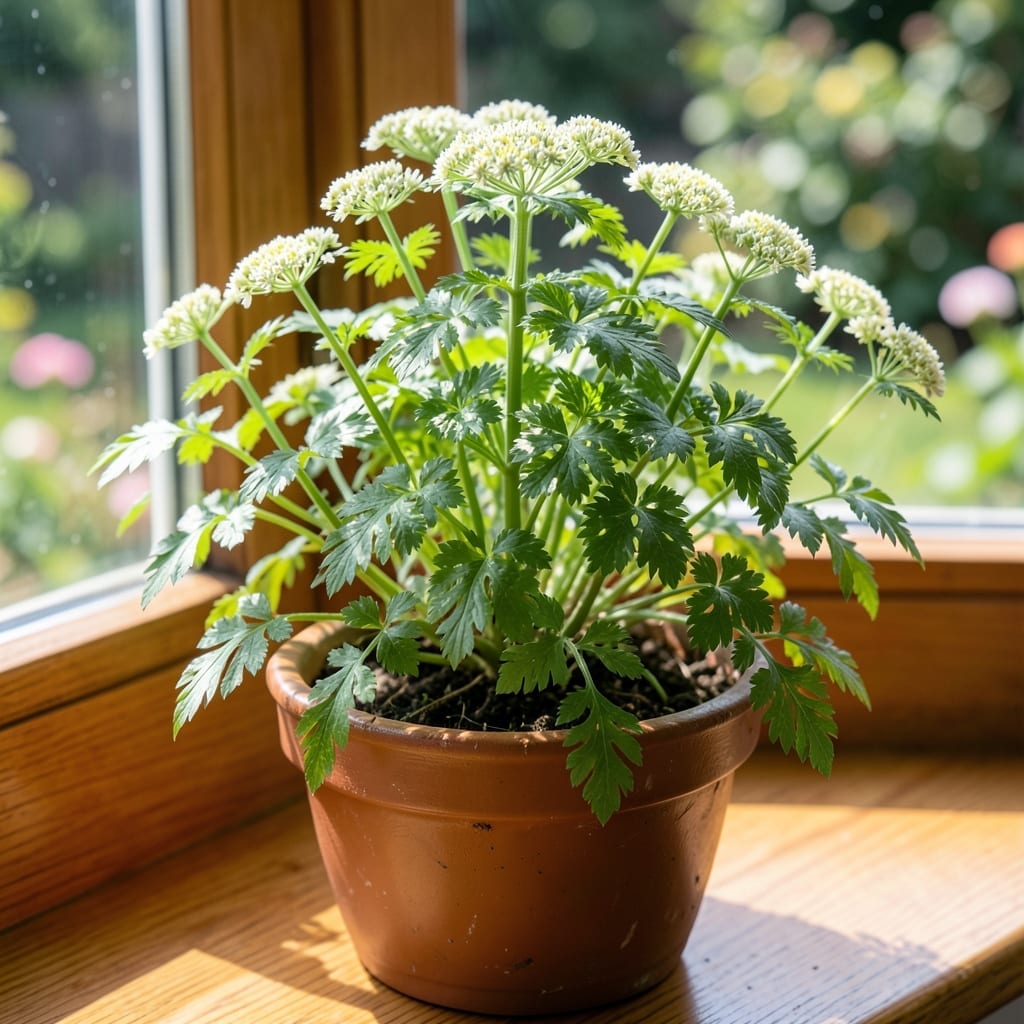
My coriander patch went from thriving to drooping overnight. Wilt hits fast, but it’s not always a death sentence for your plants.
Most cases come down to three culprits: too much water, fungal invaders, or sneaky pests. I’ve lost entire crops to each one, so I know the frustration—and the fixes.
With a few tweaks—better drainage, organic sprays, and smarter spacing—you can stop wilt before it starts. The key is catching it early.
These remedies work for home gardens and containers alike. No harsh chemicals, just simple solutions that protect your harvest.
Coriander wilt is a frustrating issue for growers, but understanding its root causes can help you prevent it. Below are the most common reasons why your coriander plants may wilt, along with the science behind each.
Fungal infections, particularly Fusarium oxysporum and Phytophthora spp., are primary culprits. These soil-borne pathogens invade the plant’s vascular system, blocking water and nutrient uptake. Fusarium wilt thrives in warm, moist conditions, while Phytophthora prefers waterlogged soils. Infected plants often show yellowing, stunted growth, and sudden wilting.
Excessive moisture suffocates the roots, leading to root rot and reduced oxygen uptake. Coriander roots need well-draining soil to breathe. When water pools around the roots, it creates an anaerobic environment, causing them to decay. This decay disrupts the plant’s ability to absorb water, resulting in wilting despite wet soil.
Coriander is sensitive to high temperatures, especially above 85°F (29°C). Heat stress accelerates transpiration, causing the plant to lose water faster than it can absorb. Without adequate hydration, the leaves lose turgor pressure and wilt. This is often temporary—plants may recover in cooler evening temperatures—but prolonged heat can lead to permanent damage.
Pests like aphids, whiteflies, and root-knot nematodes damage the plant’s vascular system. Aphids and whiteflies suck sap from the leaves, weakening the plant, while nematodes attack the roots, impairing water and nutrient absorption. The stress from these attacks often manifests as wilting, especially in young or already weakened plants.
A lack of essential nutrients, particularly nitrogen, potassium, or magnesium, can cause wilting. Nitrogen supports leafy growth, potassium regulates water balance, and magnesium is vital for chlorophyll production. Deficiencies in these nutrients disrupt the plant’s metabolic processes, leading to weak stems and drooping leaves.
When your coriander starts to droop, quick and targeted action can save your crop. Below are practical fixes for the most common causes, paired with prevention tips to keep your plants thriving.
Fix: Stop watering immediately and let the soil dry out. If the pot lacks drainage holes, repot the coriander in a container with proper drainage. For garden beds, improve soil structure by mixing in compost or sand.
Prevention tip: 💡 Water only when the top inch of soil feels dry. Use well-draining soil and avoid waterlogging.
Fix: Give the plant a deep watering to rehydrate the roots. If heat is the issue, move potted coriander to a shaded area or use shade cloth for garden plants. Mulch around the base to retain moisture.
Prevention tip: 🌡️ Water consistently, especially during hot spells, and provide afternoon shade in warm climates.
Fix: Spray the plant with a mixture of water and mild soap or neem oil to dislodge pests. For severe infestations, remove heavily affected leaves and treat with organic insecticides.
Prevention tip: ✨ Inspect plants regularly and introduce beneficial insects like ladybugs to keep pest populations in check.
Fix: Remove wilted or discolored leaves to prevent the spread. Apply a copper-based fungicide or a baking soda solution (1 tsp baking soda + 1 quart water + a few drops of soap) to affected areas.
Prevention tip: 🎯 Avoid overhead watering, space plants properly for airflow, and rotate crops to prevent soil-borne diseases.
Fix: Feed the plant with a balanced, water-soluble fertilizer or add compost to the soil. Yellowing leaves may indicate a nitrogen deficiency, while stunted growth could signal a lack of phosphorus or potassium.
Prevention tip: 🌿 Test your soil periodically and amend it with organic matter to ensure a steady supply of nutrients.
Yes, too much water suffocates the roots, preventing oxygen uptake. This leads to root rot, which blocks water absorption even in wet soil.
Leaves wilt during the hottest part of the day but may recover in cooler evenings. Check for dry soil and temperatures above 85°F.
Spray with a neem oil or mild soap solution immediately. Remove heavily infested leaves to stop the spread.
If caught early, yes. Remove affected leaves and apply copper-based fungicide. Prevent future issues with better airflow.