
Beautiful Plants For Your Interior
Beautiful Plants For Your Interior
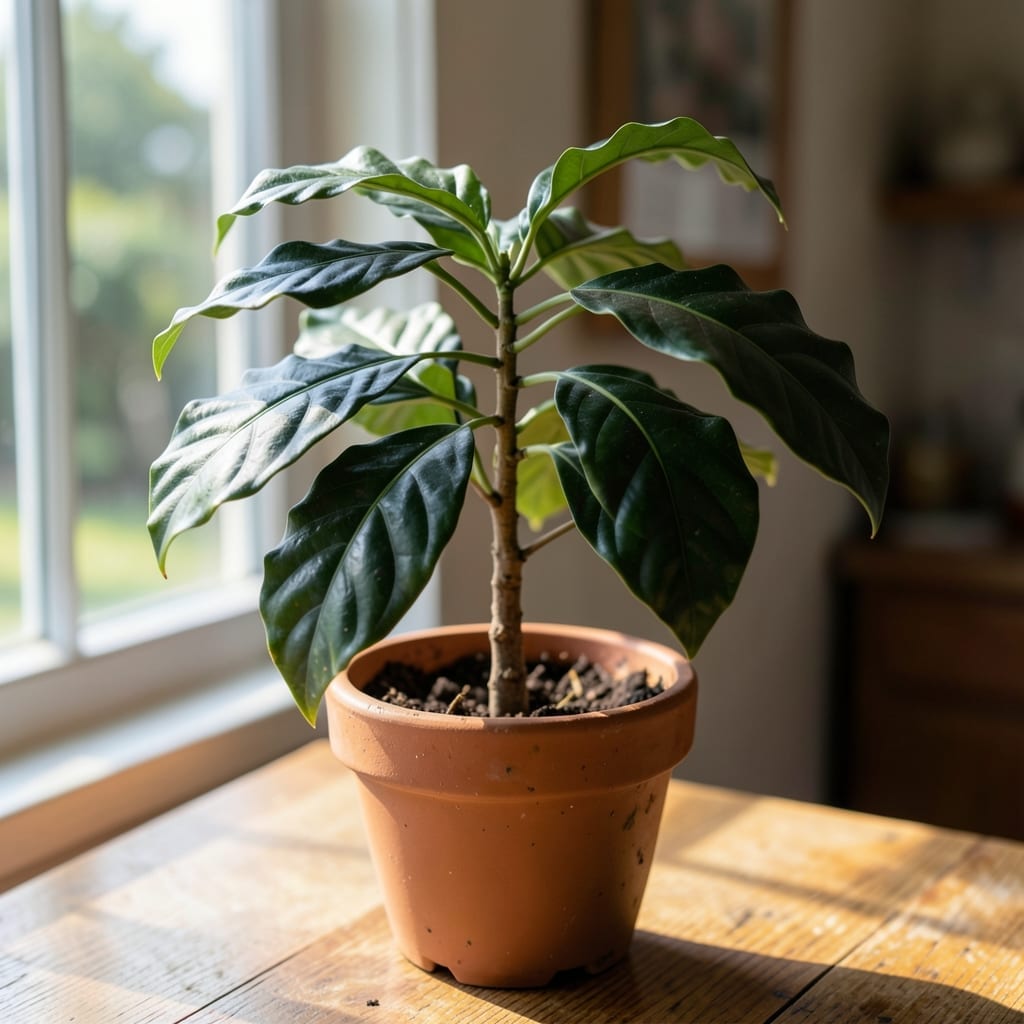
My coffee plant’s leaves went from perky to sad in 24 hours. Turns out, drooping is its way of saying something’s wrong—usually water, light, or pests.
Here’s the thing—most problems look the same at first. Overwatering, underwatering, and even root rot all start with leaves that look like they’ve given up. But each fix is different.
I’ve saved three coffee plants from the brink by checking soil moisture first. 90% of the time, that’s the culprit. The rest? Usually a light or temperature issue.
You can turn this around fast with the right approach. No fancy tools needed—just attention to detail and quick action.
Drooping leaves in your coffee plant are a clear distress signal, often tied to a few common culprits. Here’s a breakdown of the most likely causes and the science behind them:
Coffee plants (Coffea spp.) thrive in moist but well-drained soil. Overwatering suffocates the roots, preventing oxygen uptake and leading to root rot. This condition is often caused by fungal pathogens like Phytophthora or Pythium, which thrive in waterlogged soil. As roots decay, they fail to transport water and nutrients, causing leaves to wilt and droop.
While coffee plants dislike soggy roots, they’re also sensitive to drought stress. Insufficient water disrupts the plant’s turgor pressure—the internal water pressure that keeps leaves rigid. Without it, cells lose structure, and leaves sag. Low humidity (below 40%) exacerbates this by increasing transpiration, further dehydrating the plant.
Coffee plants are tropical natives, preferring temperatures between 65–80°F (18–27°C). Exposure to cold drafts (below 50°F/10°C) or sudden temperature swings can shock the plant, disrupting cellular function and causing leaf droop. Similarly, insufficient light (below 1,000 foot-candles) weakens photosynthesis, starving the plant of energy and leading to limp foliage.
A lack of key nutrients—particularly nitrogen (N), magnesium (Mg), or potassium (K)—can manifest as drooping leaves. Nitrogen supports leaf growth, while magnesium is central to chlorophyll production. Potassium regulates water balance within cells. Without these, leaves yellow, weaken, and eventually droop. Conduct a soil test to pinpoint deficiencies.
Sap-sucking pests like spider mites, mealybugs, or scale insects drain the plant’s resources, leading to weakened leaves. These pests pierce plant cells, causing water loss and nutrient depletion. Additionally, their honeydew excretions can foster sooty mold, further stressing the plant.
Don’t panic—your coffee plant can bounce back with the right care! Below are targeted fixes for the most common causes of drooping leaves, plus tips to keep it thriving long-term.
If the soil is bone-dry, give your plant a deep watering until water drains from the bottom. Use room-temperature water to avoid shocking the roots. Prevention tip: 💡 Stick your finger an inch into the soil—water when the top layer feels dry, but don’t let it stay parched for days.
Stop watering immediately and let the soil dry out. If the roots are soggy or smelly, repot the plant in fresh, well-draining soil and trim any black, mushy roots. Prevention tip: ✨ Use a pot with drainage holes and a saucer to catch excess water. Empty the saucer after 10 minutes.
Move your plant to a spot with bright, indirect light (e.g., near an east-facing window). If leaves are crispy or bleached, it’s getting scorched. Prevention tip: 🎯 Rotate the pot weekly so all sides get even light without direct sunburn.
Relocate your coffee plant to a brighter area, but avoid harsh direct sunlight. A grow light (10–12 hours daily) works wonders for dim spaces. Prevention tip: 🌡️ Keep it 3–5 feet from a south- or west-facing window for ideal light levels.
Use a balanced, water-soluble fertilizer (10-10-10) diluted to half strength every 4–6 weeks during growing season (spring/summer). Yellow leaves often signal a nitrogen shortage. Prevention tip: 🔥 Flush the soil with water every 2–3 months to prevent salt buildup from fertilizers.
Wipe leaves with a damp cloth or spray with neem oil (mix 1 tsp oil + 1 tsp dish soap per quart of water) to tackle spider mites or mealybugs. Isolate the plant to prevent spreading. Prevention tip: ✨ Mist leaves occasionally to deter pests and keep humidity up.
Water when the top 1-2 inches of soil feel dry. Typically every 7-10 days, but adjust based on humidity and light. Overwatering is worse than underwatering, so when in doubt, wait a day.
Yes, if the issue is minor like temporary underwatering. Leaves often perk up within 24-48 hours of proper care. Severe cases like root rot may require repotting and root trimming.
Bright, indirect light is ideal—think east-facing window. Avoid direct sun which can scorch leaves. If natural light is limited, use a grow light for 10-12 hours daily.
Check undersides of leaves for tiny bugs, webbing, or sticky residue. Common culprits are spider mites and mealybugs. Treat immediately with neem oil to prevent spreading.